
I know how a real aperture works. Glass opening wide, light falling off, compression doing what compression does. I’ve understood that mechanism for longer than my wife’s owned a smartphone.
None of that stopped her from showing me a photo on her phone that genuinely impressed me before I understood how it got made.
The Miss
Here’s the part I ponder. I had more technical knowledge than she did, real camera experience, real understanding of what an aperture physically has to do. She had none of that baggage. She just used the tool, confidently, the way an early adopter does, and got a result that fooled me for longer than it should have. Knowing how something’s supposed to work doesn’t automatically protect you from being impressed by a convincing fake. If anything, it can make the fake land harder, because you’re not expecting to be fooled.
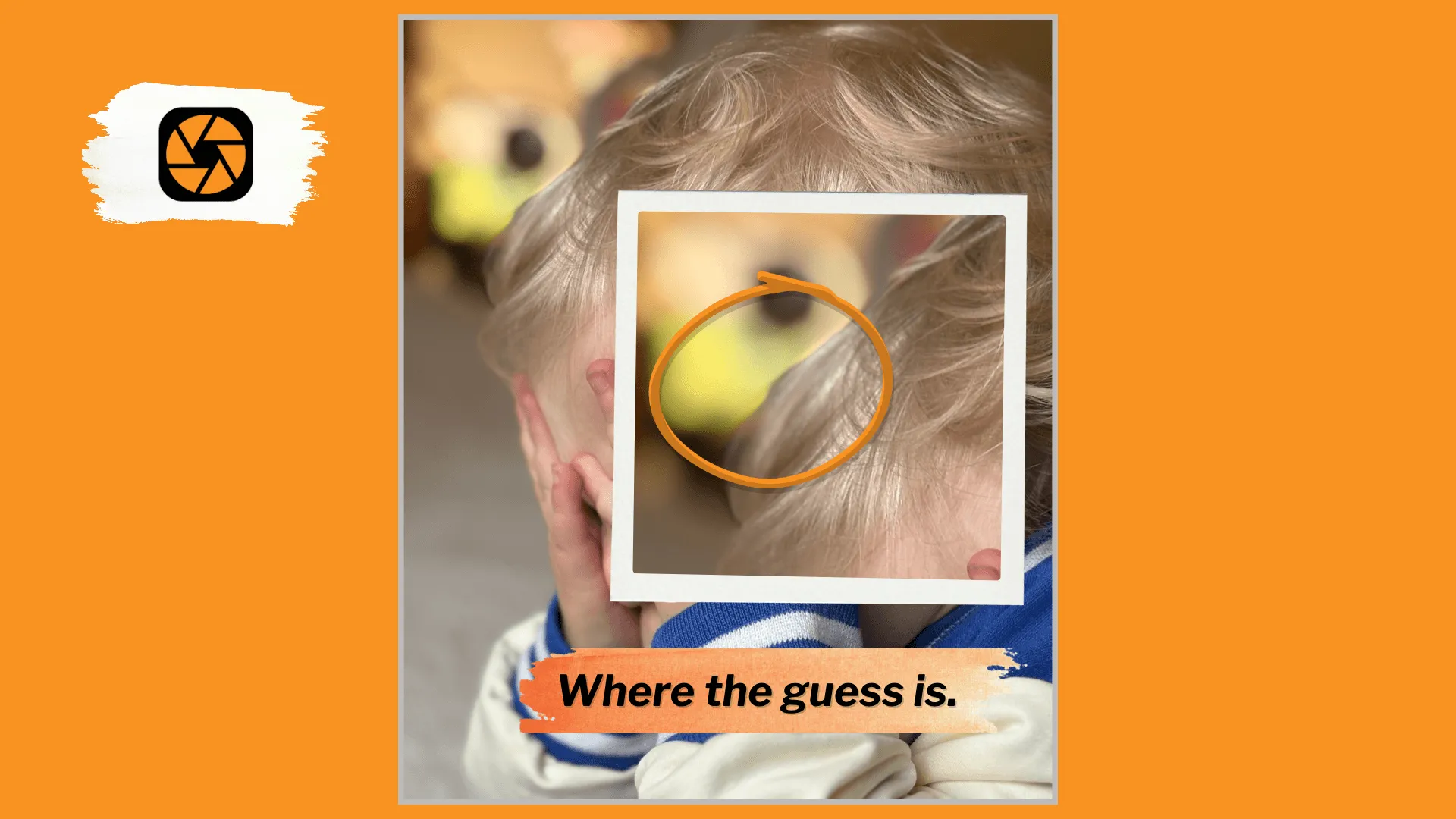
It wasn’t until I dropped one of her shots into Lightroom and looked at pixels that I saw the seams. A little smear where a strand of hair should’ve stayed sharp. An edge that blurred slightly wrong around an earring. That’s not a flaw in her photography. That’s the tell that the blur wasn’t optical to begin with.
The eye gets fooled easy. Pixels don’t lie.
The Photo Lab
The Lesson + Lab
Here’s what’s happening. A camera lens creates that soft background by physically opening its aperture, more light let in, shallower depth of field, the blur is a by product of glass and geometry. Phones haven’t had that mechanism. No blades, no adjustable opening, a fixed aperture that never changes no matter what mode you’re in. Portrait Mode fakes the effect instead, using a second lens or depth data to map roughly where your subject ends and the background starts, then running software over the image to blur everything behind that line. It’s a guess, dressed up convincingly enough that it fooled someone who should’ve known better.
Worth saying for facts sake, since it changes the timeline on this lesson: this September, that stopped being universally true. One phone, at the top of the price range, shipped with an actual physical aperture, real blades, real f-stops. That’s a real exception now, but it’s still exactly that, an exception, on one device, not the rule for what’s in most people’s pockets.
And here’s where I’ll say something that might surprise you coming from someone who’s spent a career shooting on real glass. It doesn’t matter, not really, whether the blur came from physical aperture blades or a good guess. All of my Canon R-series bodies have AI-powered autofocus, trained recognition deciding what to lock onto before I’ve fully registered it myself. If computational help disqualified a photo from being “real photography,” I’d have to disqualify my own work. The decisions that were never the camera’s to make, be it phone or professional body, mechanical or computational, are still the ones that matter here in the lab. When to use the tool. Where to stand. Where the light’s actually coming from. Whether this is the moment worth capturing at all. Those decisions don’t move no matter what’s happening inside the sensor, aperture diaphragm, or AF algorithm.
Own the camera, own the picture has run through this whole unit. This is the version of it that applies even when the tool making part of the decision isn’t you. You still decided to use it. That’s still your call.
Lab: Try This
Look at a Portrait Mode shot you’re proud of. Zoom in tight on an edge, hair, glasses, a hand near the background. Look for where the blur gets a little sloppy, a little wrong. That’s the seam. It doesn’t make the photo bad. It just proves what was actually deciding the blur, and it wasn’t a lens.
Reflection + CTA
I got fooled by a fake before I understood it was one. That’s not embarrassing. That’s proof it worked.
The blur was never really the decision. It never is. Aperture’s always been about who’s in the story and who isn’t, whether a real diaphragm makes that call or a computer approximates it.
Trust it. Trust yourself.
-TMac #shooton
