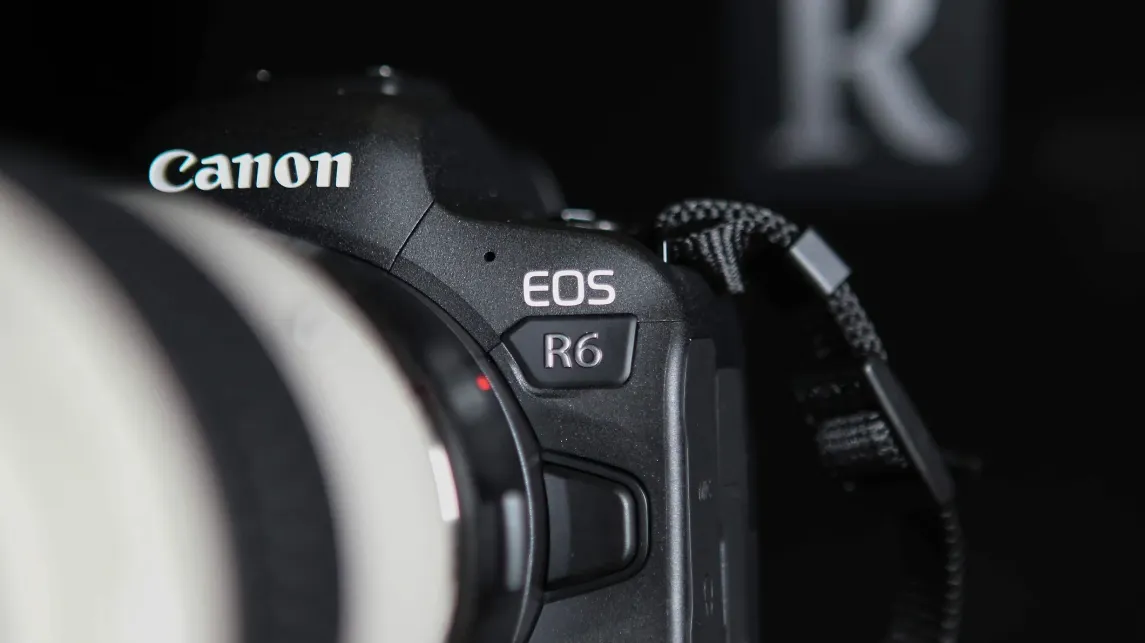
Manual mode in photography intimidates most beginners before they ever try it, and most photography education makes it worse by treating aperture, shutter speed, and ISO as a technical barrier to cross before real learning can begin. This is the Unit 3 introduction to the ZWOF Photo Lab curriculum: where the decisions you’ve already been making in Units 1 and 2 finally get names, and manual mode stops feeling like a test you didn’t study for.
Let’s talk about the thing nobody wants to admit.
Manual mode is intimidating. The dial feels like a test you didn’t study for. Aperture, shutter speed, ISO — three words that show up in every photography article ever written — usually inside a diagram shaped like a triangle, usually accompanied by the quiet suggestion that if you don’t understand all three simultaneously you have no business calling yourself a photographer.
That’s not how this works around here.
You’ve Already Been Doing This
In Unit 1, you learned how photographers think about action. You learned to stay in the viewfinder, to anticipate the moment before it happens, to position your body instead of reaching for the zoom. You were making decisions about time — when to shoot, where to stand, how long to wait — before you ever touched a settings dial.
In Unit 2, you learned how photographers think, period. You learned that the camera doesn’t see what you see. That every frame is a choice. That the story exists before the shutter fires, and the photographer’s job is to recognize it before it disappears. You ended that unit with one line:
You own the camera. Own the picture.
That wasn’t a challenge. It was a description of where you already were.
Manual mode isn’t a destination. It’s a description of what happens when a photographer stops guessing and starts deciding.
Photo Lab
Here’s What Was Happening Under the Hood
Every time you chased a moment in Unit 1, shutter speed was involved. Every time you moved your feet to change the story, aperture was involved. Every time you shot in a gym or an auditorium and the photo came back grainy, ISO was involved. The settings were always there. They were just strangers. Now, you’re going to meet your new best friends.
Unit 3 gives them names. That’s it. The thinking you’ve already been doing — the anticipation, the positioning, the decision-making — that doesn’t change. You’re just going to understand, for the first time, what the camera was doing while you were doing it.
What’s Coming
Over the next five lessons, we’re going to pull back the curtain on the three settings that control every photograph ever taken — shutter speed, aperture, and ISO — plus one that quietly wrecks more photos than most beginners realize. We’re going to cover them one at a time, in plain English, with real situations you’ve already been in.
No triangle diagrams. No gear recommendations. No suggestion that you need a different camera to understand any of this.
Just the decisions. And why they’re already yours to make.
Manual mode isn’t a destination. It’s a description of what happens when a photographer stops guessing and starts deciding.
You’ve been deciding since Unit 1. Welcome to Unit 3.
Trust it. Trust yourself.
—TMac Photographer | Teacher | Coach | Head Zoom Jockey, ZoomWithOurFeet #Shooton
