Zamani Feelings — Sports Photography, Portraits & Why DSLRs Still Rule
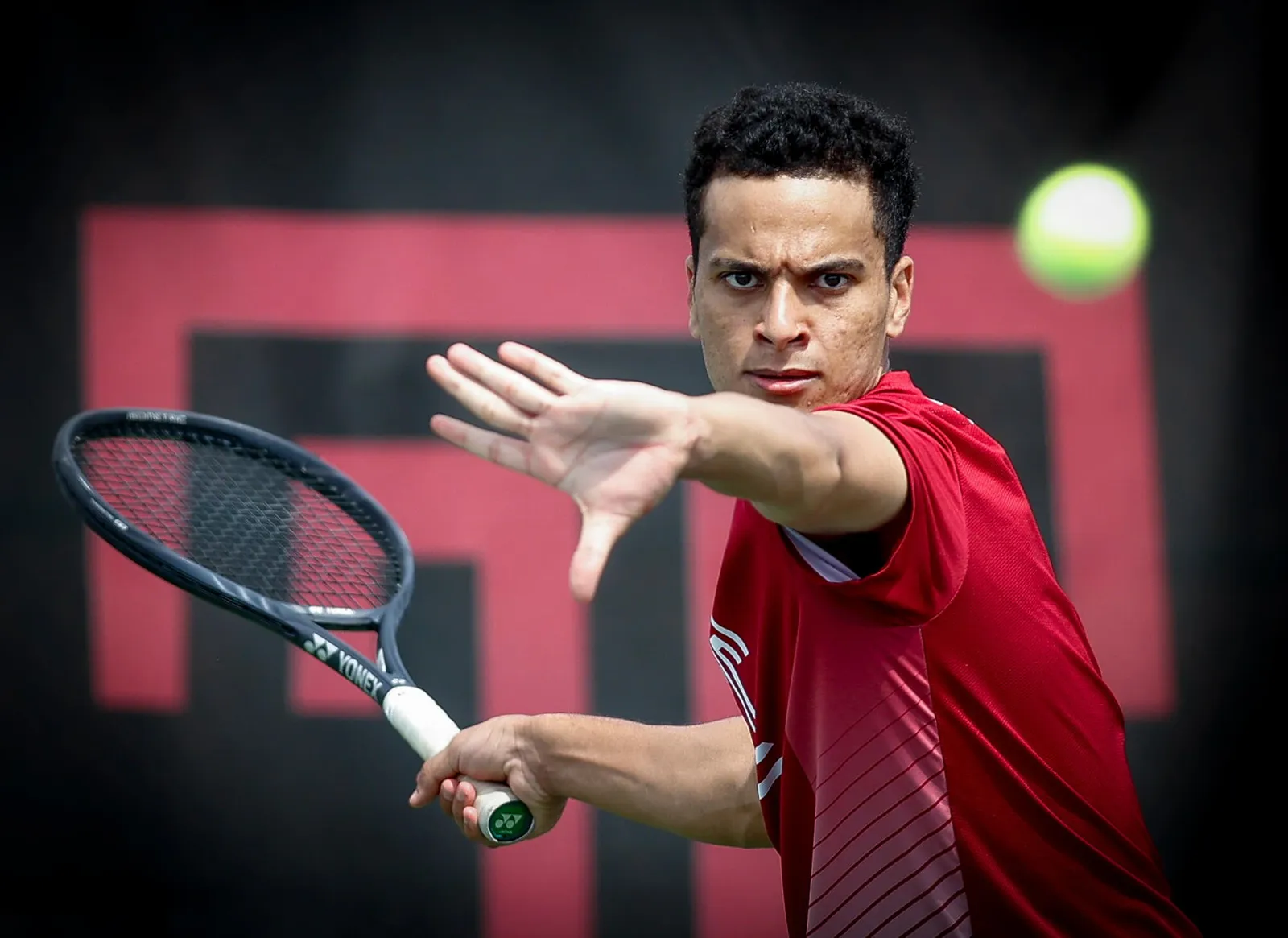
Zamani Feelings behind the lens at Temple University Athletics. Photo Credit: Zamani Feelings Photography. Used with permission.
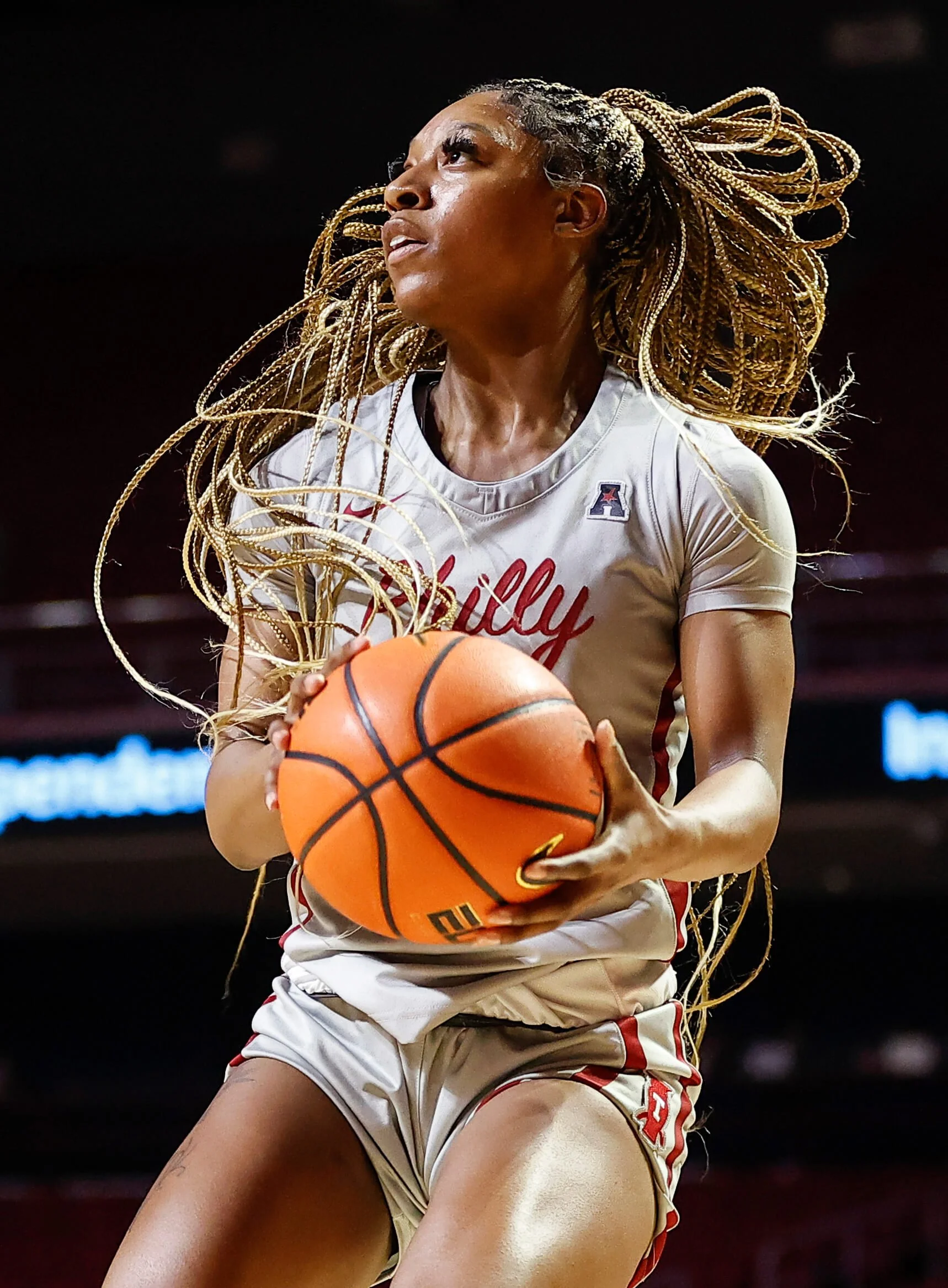
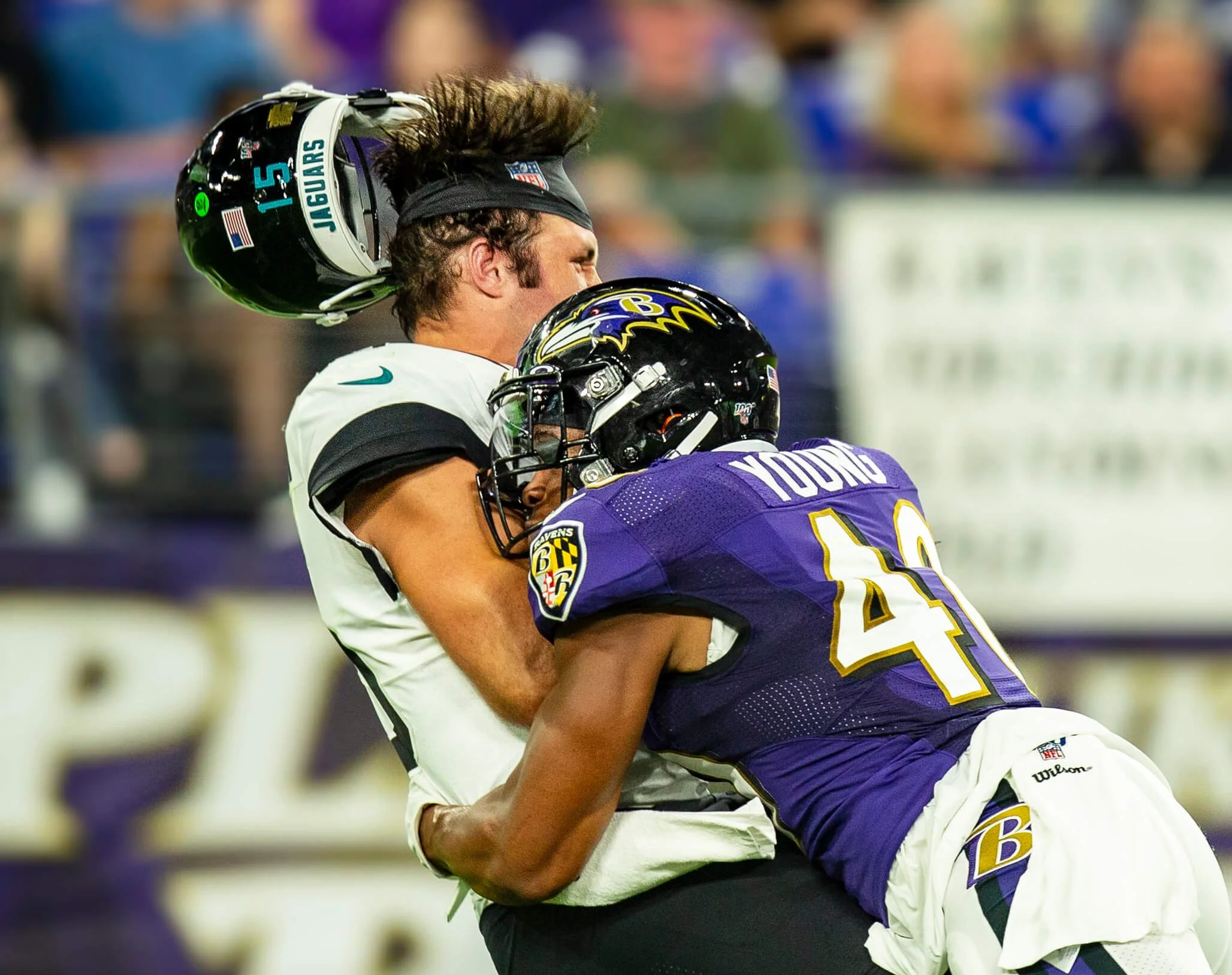
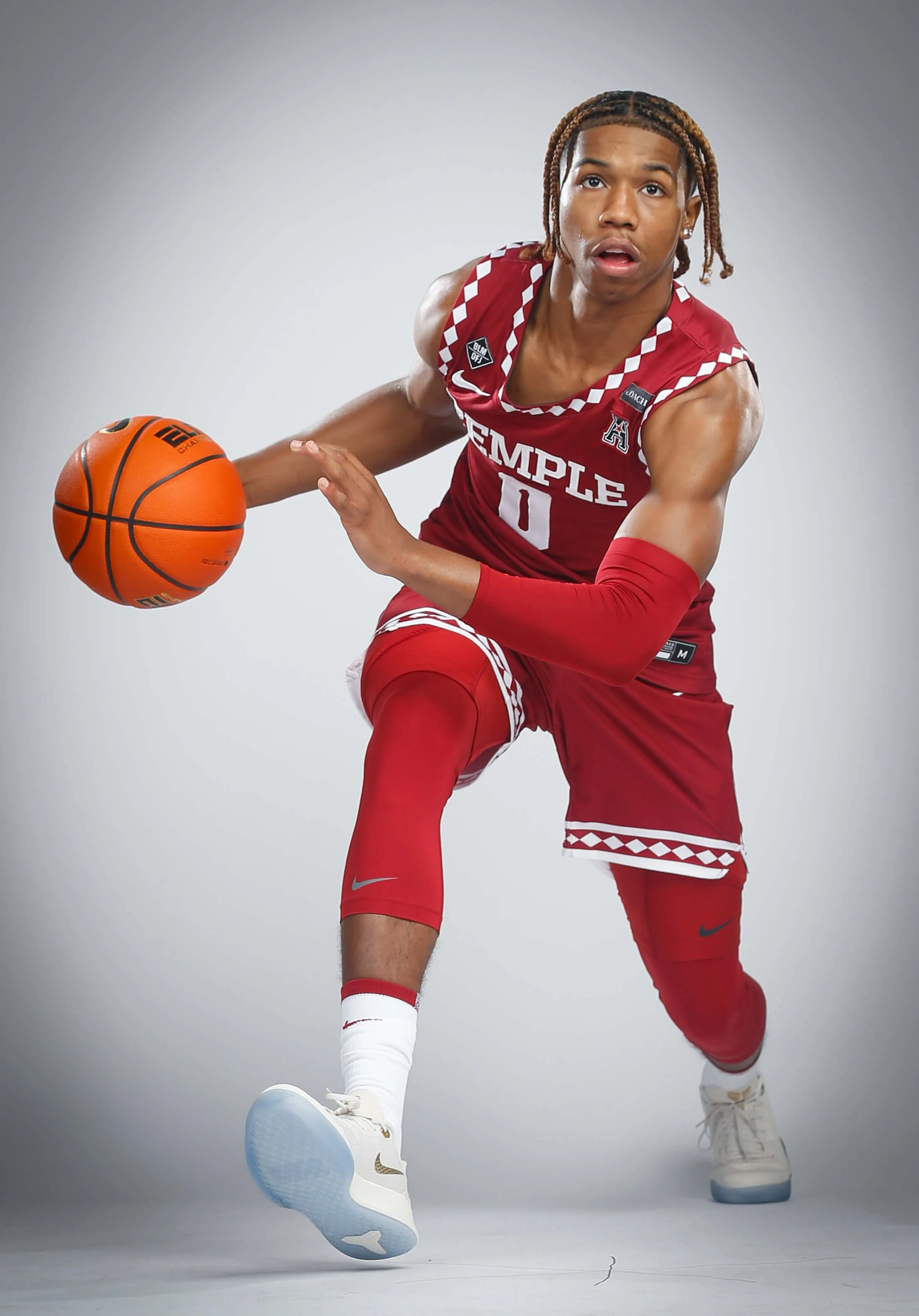
Zamani Feelings shoots sports photography for Temple University Athletics and runs his own photography business out of Philadelphia. He’s also the guy your host calls Clark Kent with a camera, a regular day job and a pro-level shooter on the side.
In this episode Zamani breaks down why he still prefers DSLRs over mirrorless cameras, and shares the advice that’s guided his entire career: find what excites you, and shoot that relentlessly.
Why It Matters
Most beginners chase the newest gear before they’ve found what they actually love to shoot. Zamani’s path runs the other way. He found his passion first, sports and portraits, and let that pull dictate his equipment choices and his career. For anyone overwhelmed by gear decisions, that’s the right order to do it in.
About This Guest
Zamani Feelings is a Philadelphia-based sports and portrait photographer who shoots collegiate athletics for Temple University alongside running his own photography business. His work spans game-day action, portraiture, and brand photography, and he’s built a loyal following for his color science and DSLR-first approach in an increasingly mirrorless world.
Zamani’s Bonafides
“
The thing that you’re drawn to, that you see and get excited about, is probably connected to your passion and your talent. I think that’s a signal of what direction you should go, and never look back.
”— ZAMANI FEELINGS, PROFESSIONAL PHOTOGRAPHER, TEMPLE UNIVERSITY ATHLETICSHear This Episode
Watch Here
Episode Timestamps
Your ZoomPod — Exit Ticket
After this episode, you'll know:
- Why following what excites you matters more than chasing trends in gear
- What makes DSLRs still a smart choice for some working photographers
- How shooting college athletics differs from general sports photography
- Why your passion is often a better compass than the latest camera release
Gear & Affiliate Links
Trick out your kit, and your wardrobe. Both Adorama and SmallRig are having sales right now. Or wear your photography mood, grab a ZWOF set-wear tee shirt. If you use a ZWOF link, we may earn a small commission that doesn’t increase the price of your item.
Explore More
Check out our other great podcast episodes. Link and follow for more great learn-photography content: IG @zoomwithourfeet | FB @ZoomWithOurFeet.
Zamani found his passion first, then built everything else around it. Same instinct applies behind any camera you pick up.
Stop Shooting From the Stands →TMac 00:04
Hello and welcome to Zoom With Our Feet podcast, the pod about learning photography, with me, your host, T Matt. I am a professional photographer, videographer, and teacher. Back in episode one, I talked to a university photographer focusing on student and university life. And in a conversation, she mentioned that her university had a separate team of photographers who worked for the sports department, which is what I want to focus on today. Full disclosure. When I was doing research before I even started the podcast, I made a list of must-have photographers that I wanted to talk to. And Zamani Feelings was definitely on that list. Zamani does amazing work for Temple University. And I thought it would be nice to bookend my University Photographer series with a discussion with another multi-talented image maker who focuses on sports. In this episode of the Zoom Pod, Philadelphia-based photographer Zamani Feelings joins me to talk about his mastery in several genres and our shared love of teaching photography. Zamani Feelings, thank you for joining me on the Zoom with our feet podcast.
Zamani 01:29
You’re welcome. Thank you for having me.
TMac 01:31
Tell me about your photo journey. How did you start in photography?
Zamani 01:36
Well, I did dabble slightly when I was younger. As a kid, my mother actually bought a camera because she was finishing her master’s degree at Temple University. And she would actually come to take pictures of me playing when I was playing little league football. I only played for one year. And ironically, we were playing in Temple University’s old football stadium, full circle it comes, and I ended up being the athletics photographer for Temple University. But yeah, so I dabble with my mother’s film camera a little bit. I remember buying another lens for it and going to the film store to buy film, and I would take pictures of a lot of my friends and everything like that. And just had this one 90 millimeter soon. I still have that too. It was like a 90 to 200 or something like that. Something real basic. But I enjoyed it, and but I dabbled around that time with the arts in general. So I played the trumpet and I used to draw. I thought I was gonna be an artist. My father’s a famous illustrator, and my mother writes children’s books, so it was a creative thing with it was there. But for whatever reason I kind of stepped away from it. And I didn’t really actually come back to photography until let’s see, that was maybe like 30 years, almost 25, 25 years, something like that. Yeah. And so the second time I came back into it wasn’t it’s it was around 2010, and I bought a I wanted to do documentary film. I was interested in doing documentary videos, and I was looking for a video camera, and I was searching around on YouTube and I saw this guy’s video, and he the background was blurred out, and I’m like, how do you get that background like that? And somebody said he used a DSLR, and I said, Okay, well I want a DSLR because I wanted my videos to look like that, and I went and got a Canon Rebel T2i, and I got the 50 millimeter lens, and the guy said you can get that and shoot at 1.8 or something, it’ll be the buried backgrounds for your videos. So someone saw that I was getting it, I was becoming interested in that, and they sent me to a class. There was a group by a guy who started, it was called Operation Give That. And I thought it was a videography class, but it was a photography class, and he what he would do is have everybody meet at City Hall, and they would take pictures. So I’m there and I’m just like, okay, I’m fish out of water. So I’m just playing around doing video. And he said, Well, take some pictures. So I took some pictures of the other photographers, and then later on, everybody gathered at a restaurant and we go through the photos, and he said, You know, you got a pretty good eye for photography. And I said, Oh, no, I’m not interested in that. I’m you know, I’m trying to do video. And we I went out with them the following week, and I ended up just taking photographs, and then that’s kind of what got me inspired to do photography. So from there I just I dropped the whole the video and film idea, and I was just doing photographs. I just got really got into the photography thing.
TMac 04:42
That’s awesome. The camera before the T2I that your mom passed on to you, what kind of camera was that?
Zamani 04:52
Oh man, I think that was a Minota. I think it’s a Minota. Was it Minota? I think it’s a Minota camera though. Yeah, it was a Minota STR. I still have it.
TMac 05:06
Oh, I have all you know. You got one more we’re all pack rats, man. Come on. Oh, okay, okay.
Zamani 05:12
Yeah, I don’t throw I don’t give away cameras. I don’t I give away cameras to people that like my old ones, I kept them all. I keep all my yeah, my gear. My favorite cameras, I keep all of them, and I just collect more of them a lot of time.
TMac 05:25
Whose work influenced you?
Zamani 05:28
In terms of sports photography or just photography in general?
TMac 05:31
Just photography in general first, and we’ll work our way through.
Zamani 05:35
Actually, and this I don’t want that not to sound arrogant, but there was no individual person that I followed necessarily. But there was a style and aesthetic, and I was just a fan of photography in general. There’s a young lady named Vita Carson, and her work was something that I looked at, and that was she was somebody that I looked at and I said, Oh, I like her style. How does she do that? I want to try to get photographs that look like that. But I did have other people that were teachers. You know, a guy named Craig Lewis, a guy named KD, another person who helped me. There was other people that helped me along with just photography in terms of the technical things. But aesthetically, she was the first person I saw her work. It was like the shallow depth of field kind of thing, and I really was attracted to that. Like most artists, I think you find somebody, you see or you see an aesthetic that you like and you try to imitate it, and you can’t really necessarily replicate what they’re doing, but it ends up becoming part of your own style. So you say, Well, here’s my like Miles Davis used to try to play like Dizzy, but he said he couldn’t play like Dizzy, so it ended up turning into his Miles Davis own style, you know.
TMac 06:48
So Oh yeah. There’s the influence also helps you learn to master the basics, I think. Right. It’s almost like teaching scales.
Zamani 07:04
Right, yeah, yeah, yeah, right.
TMac 07:07
So speaking of that, did those teachers that you mentioned, did they help you with the you know the exposure triangle? How did you learn? I always like to ask accomplished photographers how they learned the exposure triangle, shutter speed, aperture, ISO. How did you learn the basics?
Zamani 07:35
Oh man, you know what? I don’t remember. I don’t remember. I just know I just got it eventually. And I had my own, you know, I just remember only things I can remember is I know I always wanted shallower depth of field because I was kind of like obsessed with that look. So I always kept a low F stop. And then I always remembered that I wanted the shutter speed to be above a certain number so I wouldn’t get motion blur. And then other than that, and I think I would just go with my ISO from there, unless I was using auto ISO, but I don’t really remember how I learned it, and I wondered that too, because I find that it to be very difficult for certain people, and other people is very easy. Like there was somebody I know who I was working with for two years, and for whatever reason he just couldn’t get the exposure triangle. And then I remember sitting down with a young lady and I showed it to her, and in an hour, that was it. She was gone. She was off and running, and she never had a problem with settings at all after that. So yeah, I mean, I had my normal system of what I do. I was a voracious reader and studier, and I would watch tons of videos and everything until I got something. I’m not necessarily curious in the sense of I want to know every detail about cameras and the history of cameras or anything like that. I just need to know what I need to get the type of images that I want. And that’s enough for me.
TMac 08:57
You also, and I tell this to students all the time, look at other people’s work and then reverse engineer it. You figure out, okay, in your research or in you know, asking, that blurred background is created how I ask them. And that sort of deconstruction helps people, but you’re absolutely right. I’ve had students that they go, oh, I get it. This part is the motion blur, this one is light and the light sensitivity, and they just sort of off they go. Right. I’ve also found that people hear that there’s quote rules, and then they think, well, those are hard and fast rules. And they’re not really hard and fast rules, they’re guidelines to just tell you what the three do, and then you have to adapt in all of the different situations what adjustment affects the photograph.
Zamani 10:07
Right, yeah, because I definitely have like a different approach. And it’s not really that difficult. I mean, it’s pretty simple. Like when I’m indoors, I’m making sure that I keep a certain shutter speed, like 200. If I’m doing like an event, a birthday party, obviously I’m using off on-camera flash most of the time, or speed light, and I’m bouncing the light. So my shutter speed is gonna be frozen at 200. You know, I can’t go any higher anyway. And then I usually am at like F2, depending on what’s happening, 2.8, it’s between 2 and 2.8. And then other than that, I’m just balancing my speed light power with my ISO to get what I need, and then that’s it, you know. So and I’ve kind of got it now down. Like I can look up at a ceiling and like, okay, that’s a one, this is a low ceiling, so that’s like a 116th power ceiling for my so I usually be maybe I’m at 800 ISO. And then if I look up and I see it’s a like a higher ceiling, 12 foot ceiling, then that’s one eighth power, or it’s a really high ceiling, that might be a one-quarter power, and that means I’m probably gonna be at 3200 ISO or something like that. So, you know, it’s it’s not very exact, but you know, that’s that’s basically it. But yeah, it’s setting sometimes or an exposure triangle is a hunk for people that they can’t get over. And I think it’s a lot of times it’s it’s somewhat of how it’s communicated by the places that they’re learning from, and some of it is just not grasping it or overthinking it, too.
TMac 11:36
Well, I gotta tell you, this probably would have been a couple of years ago when I first jumped on the photographer, sports photographer Facebook page. You were the first person who turned me on, I guess, to auto iris and not feeling like there’s any shame in it. And after I and after I did it, I remember man, I went out and you know, I know that I want my water speed to be, I don’t want to go below, you know, for me it’s probably sixteen hundred thousand, I don’t want to go below that. And that would you know, dictate the that essentially the ISO case for me. And I was like, wow, this is so much stress of you know, you’re focusing on all of your composition, all your aesthetics, and you look and you’re like, oh this is real dark. Because I because you know when I spin the wheel, I’m doing I’m doing air speed or aperture, like you say, I’ll adjust with competition, and then I’m like, you know, so I just wanted to say there were two things that using auto ISO and the other thing, and this was just recently, probably last year, when I switched to mirrorless cannons from the 1D Mark IV, you were the one with the R6, because I had the original as well.
Zamani 13:24
And you said, check the settings, there’s a noise reduction setting, switch to JPEG, hit that, hit that noise reduction, and it was like Yeah, I mean, that’s like it’s crazy because this stuff is all right in the camera, and that’s kind of what it was designed to do. And you know, people are so and I guess nobody just talks about it, or I know there’s people that are anti-JPEG, which I understand to some extent, but yeah, that was something I discovered. How did I find that out? I don’t remember what I was doing, but I saw that I high ISO noise reduction thing, and then I and I remember saying, I wonder what how good this is. And I went in and I put it, I Googled it and then it said that it only it only applies to JPEGs. So I said, let me see how it works. So I remember putting it on high, and I always we recommend that people never use the high, especially at least in Canon, because that one it really softens the image up and it and it even kind of distorts it. It’s kind of like when people use those the topaz software and they put it too high and it makes the person look like they’re melting or something like that. Yeah. And I did call Canon and talk to them, and he said they said they confirmed, they said don’t use the eye. That’s only for extreme emergency situations where you’re trying to get a picture of a raccoon in a pitch black nighttime or something like that. You know what I mean? But so but what happened was so I put it on there and I said, Well, that looks a little soft, it softened the picture up, so I used the standard, and then I went and looked at the picture and I said, it looks good. You know, it just needs a little more sharpness. So I said, let me what if I turn up the sharpness in camera to balance off the high ISO noise reduction softness on the image, and then I feel like, oh man, that’s perfect balance. And so I thought, you know, I mean, I know I wasn’t the first, I didn’t think I was the first person to think about it, but I posted about it, but then someone sent me the Max Preps there they have some like guidelines for photographers. And the Max Preps guidelines, they had the same exact thing in there. They said use the end-camera noise reduction, turn your sharpness all the way up. And so that was that was something that they actually gave it out to before I came, I figured it out. So but yeah, that’s that’s worked for me well when I do games, particularly like indoors and really low light. I don’t I’m not scared of noise at all. I can shoot at 20,000, 25,600 ISO and not worry about it at all. The only other caveat with that is that you want to slightly overexpose images too, when you’re doing that. But it doesn’t work with raw files, so if you feel like you have to shoot raw, then you’re gonna have to figure out. And you know what, you know what the first thing? Here’s the first thing that led me in that direction. I was listening to Peter Reed Miller, and he was saying he had a video about noise. There was a he was somebody was interviewing him, I think, and they asked him about RAW and JPEG. And he said, Well, the big reason besides blowing your exposures and being able to save them, he said the other reason to shoot JPEG, he said, shoot JPEG if you’re not good enough with software to remove the noise and raw. And he said, you can shoot raw if you if you know how to remove the noise well on your own, then shoot raw. But he said, if you’re not good with that, shoot JPEG. And I was like, what does he mean by that? And that’s when I kind of researched it and everything too. So I had to give some on Peter Rebel.
TMac 17:02
I forget his name, who shoots Sony, sports guy. He’s Alt JPEG all the time. And he talks specifically about you’re not losing anything. It’s it’s it’s the same sort of it’s the same sort of you know status quo versus whatever works or what’s or what’s ex, you know. You gotta get an image. No one cares how you get the image. If you have time in post, go for it.
Zamani 17:33
Yeah, I mean it’s it’s definitely a time saver. There’s some things I like to shoot raw for when it comes to sports like football, because I have like my own sort of editing style. So when I shoot during the daytime, I’ll shoot I’ll shoot raw. Because the time isn’t as much of a bigger deal. But like if you’re shooting in low light and you want to save a lot of time that it’s shooting in the JPEG and using a ISO noise reduction because we all know they have the software for raw files, but it’s not perfect, and a lot of software takes forever just to just to process one file. So trying to do a hundred files or something like that is crazy. Plus, I have to upload during the games directly to Smug Mug for the graphics people. So I can’t upload a bunch of pictures and need noise reduction because though the graphics guidelines are going to do it for me. So I can put these right up for JPEG and go right in there fine. You know.
TMac 18:29
Let’s let’s move on to composition. You shoot in a lot of different genres. Your work one of the impressive things about your work is you’re not just a sports guy, or you’re not just a wedding guy, or you’re not just a portrait guy. You do all of that type of work. Correct me if I’m wrong, but I think that you learned composition with your people work, wedding street stuff, and portrait work, and then that just sort of moved you over when you shoot sports. Am I how off am I?
Zamani 19:14
Yeah, no, no, that’s that’s right. I mean, I wasn’t it wasn’t a super conscious thing, but and some things I learned later about what I did after I go back and look at things, I was like, oh, okay, I realized this is what I was really doing. But yeah, I definitely started off photographing people and I was always really conscious of like certain type of symmetry and you know I did like to use the rule of thirds and that sort of thing, but when I was I never really got into sports photography thinking, oh I’m photographing sports, this is that different. I was I kind of my approach was always to take portraits of athletes in action. They were just in action as opposed to being. So when I went to photograph sports, I was I wasn’t thinking like I’m trying to capture the game. I’m thinking I’m trying to capture like a good shot of these particular individuals in action, you know. So I kind of photographed sports like a portrait photographer. And that has always been my approach, you know. And so the same things that I wanted, elements that I wanted in terms of composition in my portraits, I was I wanted in my sports photography too. So Yeah, it wasn’t as a conscious of a thing though. I didn’t even really realize it until later, you know.
TMac 20:29
That I was doing Yeah, as your as your technique evol evolves.
Zamani 20:35
Right. But a lot of like a lot of people in the arts in general, I noticed they don’t always necessarily know what they were doing, and sometimes the somebody else either has to point it out to them or they kind of figure out, you know, why what they were doing or what why they were doing a particular thing. I remember there’s a writer named Albert Murray, and he wrote an article on I think it was Cal Basie, his orchestra, and it was basically talking about what Cal Basie was doing with the orchestra and how it was he was pulling from these type of styles and that kind of thing, and Count Basie responded in an interview and he said, Now I understand what I’ve been doing all these years. You know. So yeah, but so I didn’t really occur to me until later that I was just applying my portrait style to sports, you know.
TMac 21:32
Well so the results are pretty awesome.
Zamani 21:37
Thank you, thank you, thank you, I appreciate it.
TMac 21:39
So let’s let’s talk about your kit. What I want to talk about just gear you use. You mentioned the eighty five for your for your portrait work and that sort of thing, but let’s back up. So talk to me multiple bodies, multiple lenses. What’s in your kit?
Zamani 22:02
For portrait work, I’m usually using my 85 millimeter. And you know, I like the kind of shallow depth of feel, so I usually shoot around 1.4 to 2.0 for most of those. It’s usually either 1.4 or 2.0, usually when I’m doing portrait, unless I have a group of people or there’s a need to, you know, open it up more. But and 5D Mark II is still my favorite portrait camera. Something changed in the in the Canon cameras after the 5D two. I noticed a difference in the 5D three so much to the point where I ended up taking it back and getting two more Mark IIs. And then after that, there’s been like there was some kind of change in the way the sensor renders everything.
TMac 22:48
Really?
Zamani 22:49
Yeah, and I really noticed it with the mirrorless cameras now. That’s why you still shoot, shoot, see me shooting the 1DX sometimes with football and stuff that I like, you know, certain stuff that I really, really care about. You know what I mean?
TMac 23:02
I’ll take Well tell me tell me what tell me what you see. Because I have because I just went from the tank 1D Mark IV to the R6, and then last year bought the R6 II when it first came out. And for my work, it’s a beast. All that low light that we’ve been talking about. But tell me specifically what you see.
Zamani 23:27
There’s the earlier cameras and the further back you go with Canon cameras, the more filmic they look. I don’t know what the technical reasons is or how to describe it. I think there’s more there’s more of a depth and a certain type of separation from the background. The backgrounds look more full, whereas I’ve noticed with the mirrorless cameras, particularly, they have like a flat background. The images are detailed, but it there’s a way that the older cameras where the subject kind of falls into the background and just melts in, and it has more of a like a certain type of depth. That’s the only way I can really describe it. And I also noticed, and not necessarily with Canon, but other cameras specifically, they have more of a digital look with the mirrorless cameras. Now, from what I’m hearing, when I talked to somebody about it, they said it had partly it has to do with the France distance or something like that. But they said the biggest thing is the cameras were made now to be more to have more of dynamic range. And so you’re getting like less shadow in the image, which kind of was going to give it a more of a flattered digital sort of look.
Zamani 24:39
Talk me through how you shoot a football game.
Zamani 24:44
Well, let me see. So I well, if with regards to that one thing about the wide receivers, that was something that I got from Peter Reed Miller. Scott Kelby has a website with a bunch of videos on there. And Peter Reed Miller’s in one of them he talks about how to shoot football. And in one of them, he explained that like most receivers, when they run a route, they’ll run out and they turn back towards the ball to catch it. And that’s how you can get good pictures of the receivers getting ready to catch the ball, catching the ball, or of a interception as well, defender capturing and intercepting the ball. So that was something I got from him that I never really thought about, but I did think about it. I thought about it before he said that I was playing, I played the video games, I play NCAA football. That’s the only game I play. That and then I don’t play any like any of the war games or Call of Duty or nothing. I’ve tried it, I just can’t get into it. All I play is football. So if you go to my box inside there with my games, I just have all football games. But I noticed that when I was watching the well, the receivers and the plays on there, that most of them they would turn around and catch the ball. So that’s it. So yeah, there’s a few things. So you asked me about people I was influenced by. And I said in my portraiture it was just it was one person, but it was mostly just seeing good pictures and one to kind of replicate them. In the sports photography, I did have a couple people that influenced me a lot. One was Mark Rabales. So he used to post his work. He’s from he works for USA Today Sports. And he would post his work, but he would post all of his work in his blog. He would post all of his best pictures from every game with Super Bowl, whatever. And he would always list the settings in there and everything too. But I really liked his work and he shot a lot of football and he had galleries that went back into the 90s almost. So I was really you know, impressed by that. I would I would go and look at his stuff all the time and like, man, I want one of those shots. You know, man, I want one of those shots, that kind of thing. Or where was he at? But fortunately, he didn’t he might not give a lot of details of how he got a shot, but he would have the settings there. I could see what lens he used, he would put the lens in everything like that. So him and then like I said, Peter Reed Miller and Damian Strohmeyer, the two other ones that looked at their work and everything, and I’ll watch their. They had both of them have a BH video where they talked about shooting sports. I watched it over and over. I downloaded it, I had on my phone. If I was on a bus or a train, I’m watching it. I watched each of their videos probably 150 times, you know. So but approaching football, it’s not that different than anybody else. I’ll go to the game, you know, I have like a somewhat of a routine. It depends on what’s happening, but you know, I’ll start off usually trying to get the quarterback in the backfield. You know what I mean? So I’m going five yards behind the ball and trying to line up with him to get the pass or making sure that I’m on the right side of his throwing arm. Or that also gives you chances to get a sack, or that gives you know, him throwing, or when he’s handing off and you can get the runner coming out of the backfield when you have time to get those shots. Those are things I recommend for people who have shorter glass too. You can get images if you can because you can get you know closer to them basically. You know, and a lot of there’s a lot of stuff in the backfield that people neglect. Positioning is a big deal with football. You want to make sure that you’re in the right spaces. A lot of people I noticed they line up like at the line, and then so everything is like going past them when they’re you know they’re chasing the play. But most of the time, outside of that, when I need stuff in the backfield, a lot of times I’ll play the end zones, you know, right in the corners of the end zones, maybe like five feet in. There’s like a little space in there. And it depends on what if I know the habits of the team, whether they like to go right or go left or not, depends on which side I’ll go on. But a lot of times when I overthink it, I’ll get burned. My instincts tell me to move, and that’s usually not accurate. But if I overthink it, then a lot of times it’s that play, I move over here and then the play comes that way. The next play comes that way. So but that’s mainly it. I’m trying to get eyes and the ball, you know. That was the first thing when I first did my first temple football game, and the guy said, eyes on the ball, you want eyes on the ball. So, you know, I remember that just stuck in my head. But I’m trying to get faces, expressions, and some interesting action and but you know, a lot of football is still, you know, luck. You know, you’re having to be lined up in the right position to get to capture the right thing. So for temple and like for if I’m working for a school where I shoot for them regularly, then I’ll go out of my way to try to get ISO shots of like, you know, linemen and defenders and stuff like that, as well as the normal like offensive action and everything. And then I’m you know I’m shooting low to the low angle a lot of times. I don’t lie down all the time where people always think like you’re laying down the whole game. I’m like, no, I’ve done that, but it’s not all the time. And then I’m you know if the if the offense is back up to the goal line, it’s always nice to take a 7200 and get on the ground and get behind them, you know what I mean? That kind of accentuates everything. The low angle is actually more impact, more dramatic if you’re using a wider lens too. People don’t really realize it. Sometimes if you’re shooting with the 400 and they’re 60 yards away, it’s not that different of a look than where you’re kneeling. But if they’re closer to you, it becomes more impactful. It depends on a lot of other things, too, the lighting and stuff too.
TMac 30:34
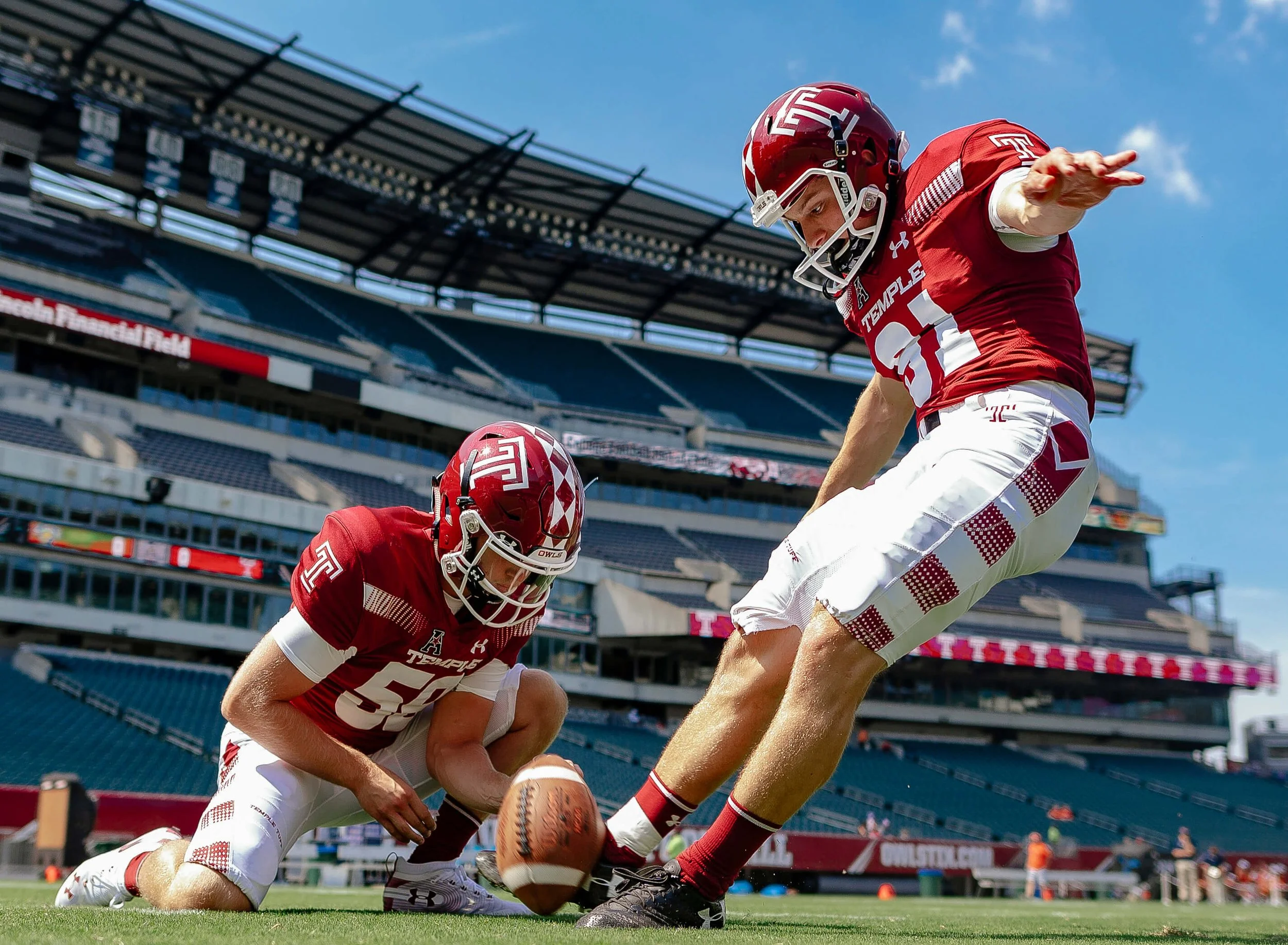
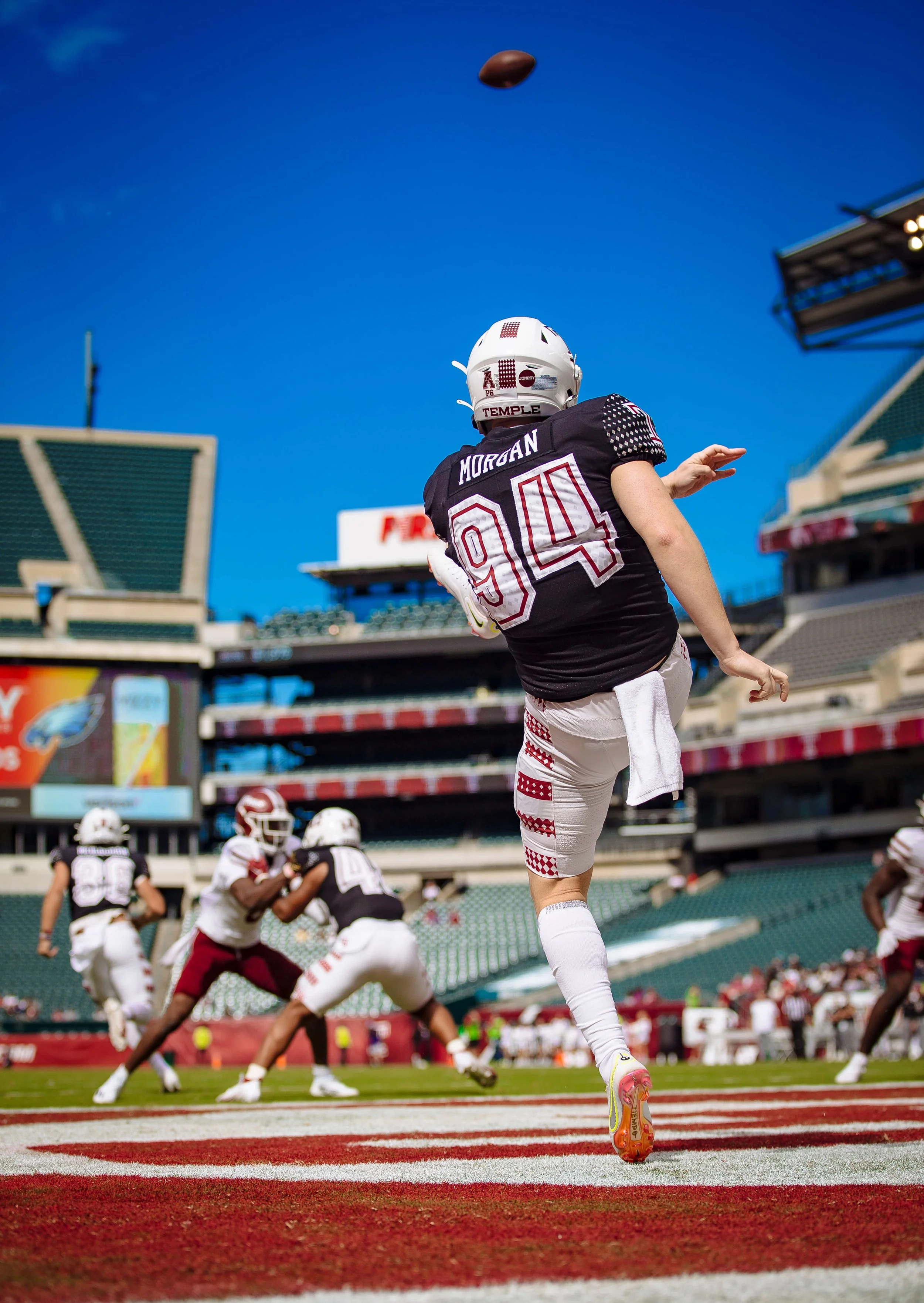
You have an image that is well, let me just say that this the get-low thing is kind of an ongoing discussion between you and I that we’ve had with I would say many members of the Facebook sports group that were in different ways to execute that but one in a gym in particular for my mind that sort of you know how powerful the low angle is, if you are a center on the end line of the end zone and the punter is maybe four yards, five yards in front of you, but the star, which you mentioned before, so it’s wider, but the low angle, him in the foreground extended ball on its way, it’s so much more powerful, and I would say compelling an image because of the because of the low the low angle.
Zamani 31:46
Low angle, yeah. And it and part of it is also because I’m using the 70 to 200 and they’re closer, so you know what I mean. It was even more demanding. I don’t I don’t know if he was that close to me, or I just cropped it a little bit, but he was close enough to where it makes it three-dimensional and he almost is like filling up the screen, you know what I mean? Yeah, so that one was I’m glad I shot that one. I can’t, I what I don’t know. I think I just remember them getting ready to punt, and I was like, should I take this picture or not? You know what I mean? And then I was like, oh, let me go ahead and take it. And so I got down. Since I sat down, I was like, well, I might as well get out on the ground. And I think they called a timeout because they all they would have kicked it and I would have missed it. I think they called a timeout and then he punted. And then I didn’t even think if I got anything from it. I didn’t even go back to look at that. I just kept moving. And when I got home, I was like, oh, this is kind of cool.
Zamani 32:39
Yeah.
Zamani 32:40
The only downside about that shot is and it’s interesting what photographers appreciate and what like maybe media people appreciate is different sometimes. Because our we play at the Philadelphia Eagles field at the link, and you know, we don’t have a 79,000 seat crowd that come to our game, so a lot of times the seats are empty in that space up there of high. And yeah, so it, you know, people are like that, and nobody in the seats, you know, the comedian people are like, oh man, looks like our stadium is empty. But me, I’m like, who cares? You see the picture, like you know, but you know, yeah.
TMac 33:17
They’ll dismiss they’ll dismiss it because of one aesthetic factor that you can see the upper deck is basically bare. Right. But it’s like, oh man, it’s a good, it’s a great, it’s a great picture.
Zamani 33:32
You could it could have been destroyed, but it just worked out. Like you could see his foot come out. You know what I mean? Like if you didn’t see his foot, that would have been said, ah, there’s no foot there, and then the ball just happened to be in the right space to get blurred in. So that’s that’s luck. Like you can’t say, oh, I’m gonna sit down and get this shot. You know, I tried it like three more times after that and it wasn’t done. Yeah, it didn’t look as good. And also the light on that day was behind me, so that kind of illuminated him. If it was backlit, it wouldn’t be great either, you know. So there’s a whole bunch of elements that I you can’t really. That was the 1DX too, like, you know what I mean? You know, I probably had out used the R3 or something like that, I might have been able to get one where the ball’s even like in a more perfect spot, but it worked out for me.
TMac 34:18
So yeah, oh no. And to think that I don’t want to say it was a throwaway, but in your mind you’re like, oh, I could try this. This might work. Maybe, you know, we were ready to bail, but you stayed. And right.
Zamani 34:33
And no, you know, the other reason is because the kicker, the punter had been asking me for pictures that year a lot. So I was like, okay, oh good, I got a time to get him. You know what I mean? Had he not asked me when I was maybe not taking that shot, it’s possible. So, you know, I know the times where I just like do something on impulse a lot of times and then when I got it works out, doesn’t it? Yeah, yeah, yeah.
TMac 34:56
So let’s talk about your business. So at some point you came back, and then when was the point that you thought I could make a living doing this? Hmm.
Zamani 35:14
You know, when I got into it, the idea of it becoming a full-time business or anything like that wasn’t as far from me. I was I was doing social work. I was working for a social work agency, and so I was just doing it in the evenings, and it was really just a new hobby for me. I was just excited to find something I was passionate about. I remember I was always I knew I was going to be doing something creative, but it was a long time where I didn’t know what I was doing. Like I was freelance writing at one point, and I was doing graphic design for the social work agency I was working for, I would do some like graphic stuff. I just knew I got a lot of fun out of creative things, but I just felt like I needed to find the one creative thing that was like more personal and kind of reflective of me and that I could really be into. So I was just excited about having something to be excited about. And whether or not I made money at it later or not, it didn’t really at the time it didn’t really matter to me. And so I was doing it on the side and in the evenings, and then one of the agencies I was working for, they lost their funding. And so they, you know, it was a nonprofit, so they lose their funding every five years or whatever, and you gotta wait about a year for them to, you know, that to reapply and that kind of thing. So I was laid off for like six months, and I was just doing the photography and getting little jobs here and there and that kind of thing, and then the agency ended up closing down, and I just like I’m not going back to look for a job. I think I can make it off of what I’m doing now. So and then it just kind of went from there, you know, and then the work just started coming. Only thing I did was just share my work on Facebook. That was it, you know, and I mean Facebook was a great marketing tool because if I did a wedding for somebody and they posted their pictures from their wedding, and I tagged or I tagged them in mine, and then all of their friends now see their pictures, and then the next day or two I’m getting inboxes from people, friend requests and inboxes from people that want me to do their party or they have a wedding coming up or that sort of thing. And so it just happened really organically. My mind was never like on marketing myself, I never really pushed myself other than to share my work. I never solicited people because I always hate people that’s trying to sell me stuff. So I never did it to them either. So I would just wait for the work to come to me. I just focused on just trying to improve my work.
TMac 37:39
That’s a testament to your work to get to have the business grow like that organically.
Zamani 37:47
Thank you, thank you. I appreciate it.
TMac 37:49
So, so then how did the university gig come along?
Zamani 37:55
So let me see. So when I started off doing photography, I was doing a lot of portraiture and events and weddings and concerts and performances, you know, small performances, open mics, that kind of thing, poets and you know, singers and rappers and stuff like that, and then a lot of portraiture, and then I was doing weddings. And so that was in 2000 and a that was from 2010 to 2013. And around 2013, I started really developing an interest in sports photography. So I started going to high schools and I was just basically capturing anything I could, like action-wise, or whatever. And remember, in my mind, it wasn’t I want to be a sports photographer, I was just like, I like to capture people in action. So when I would shoot kids and doing a family shoot, I would always have the kids do a jump or something in the air because I was just like, I thought it was fascinating to capture somebody in motion. And so I started going to games on it. This is the best place to get people in action. Let’s do this. And I did have a love for football, but I played video games a lot. I used to play with Temple football all the time before I was doing photography. Maybe a couple years before I was doing photography, I just got fascinated with the football game, and I was playing Temple at Temple. They’re like, oh, I’m an affiliate temple. Okay. My mom worked at Temple, she retired from Temple as a she worked there and taught there. So I was playing the games. But anyway, long story short, there was a guy who was in one of the sports photography groups we’re in, and he had a magazine called Coach and Player magazine, his name was Frank Stevens, and he asked me to if I would like to photograph the portraits for his magazine, like when he interviewed like athletes and stuff like that. And I was like, yeah, he’s like, I can do that for you and pay you a little bit, and I can also, were you interested? I see you’re interested in sports photography now, would you like to get in some temple games to get pictures there for us? I was like, oh yeah, that would be great. So, you know, that was the 2013 was my first temple game was against UConn at the link at the Eagles Stadium. I had never been to a college sport game of any kind in my life. And I was there and then I shot three, two games that year, two more games the next year, and that was it. And then in 2015 they gave me a season credential. And you know, I got friendly with the people there at Temple, and that year we beat Penn State, and I got some like really great pictures from there. And I got a 400 that year and everything, and that’s when I kind of knew that this is really what I wanted to do. And the next year I did another season of home games, and then I actually traveled on my own dime to the away games for the football team, and they did end up paying me like a little bit to cover my hotel expenses. And then the following year, they had a new coach, Jeff Collins. He really liked my work, and he was like, I want you want to road with us, I want you on the plane with us. Everywhere we go, you’re going, and I want you to do the media day stuff for us, and by that time I had already started doing like a soccer game here, a basketball game here, that sort of thing. So then I just kind of became the official athletic photographer there. So I do all of his sports and all the media day stuff and everything like that. And that’s been it, that was like one of the greatest opportunities for me, and then that led me into getting into NFL and everything like that too, as well. To do NFL games.
TMac 41:25
So this is the this is the working photographer question. So describe for me what a we’re just coming off the holidays, schools are back in session, all the colleges are back. So what is a week like for you?
Zamani 41:48
Well, the school, the high school that I started off doing practicing photography in was right around the corner from where I live, and I live directly across the street from there now. I do that, I do all of their sports and everything too, and then there’s another high school that I have, and then I do stuff for Philly Sports Digest, and they that selected the high school games that they send me to. So a week for me, it could be let’s say I might have to do the squash team media day for high school, and then I’ll have a there’s like a mayoral press conference that this other entity will send me to work for or Word Radio or have an event. And then the next day I might just be doing the tennis media day pictures at Temple. And then Saturday may just be the football game, or I have a baby shower on Friday, or birthday party on Sunday, that kind of thing. So it’s very like every no week is the same in any kind of way for me. You know, even just like this week I had to do I did the swim team over at Agnes Irwin School, and then I did I do anything? I did the Temple basketball game. I don’t even remember what day it is. Every week, I can’t remember anything most of the time. But yeah, so that’s kind of how the routine is. Before I before I got on the radio with you today on the air with you, I was doing the swim team at Ben Charter School, the media day, the backdrops and the lights and everything.
TMac 43:24
I think what’s I think what people don’t realize is that when you are a working photographer, so in a week I counted or I lost count after four or five different types of photography. So a portrait or an event or a sporting event or a media day, which I don’t think people realize is both labor stuff or portrait stuff or and also the podium stuff and you probably look at the behind the scenes. Stuff for marketing and all of those tools are and I tell students and everybody that always says you know I would love to make a living photography I always respond but you’re never only going to do one thing you need to be able to handle a sports or event sure we all would love to do that right every day right it really doesn’t work that way and then portraits or media stuff high school college right I see your I see your work in the NFL as well so you’re mixing in all of which I guess I say all that to say that’s pretty typical of a working photographer.
Zamani 44:56
Yeah I like the I like the variety too like I’ll I’ll do some real estate stuff sometimes you know I mean I like the to do the event I like to mix it up I think the is interesting because prior to me getting to I would say 2000 between 2011 and 2017 2018 my predominated work was like events and portraiture and that sort of thing and that was the bulk of my work and then the sports kind of everything kind of shifted and now sports related photography stuff is the bulk of my work and everything else kind of fills in for those things too so the great thing about working for schools or teams is that there’s regular you know there’s gonna be regular work you know it’s gonna be consistent work they need they have to have a media day they have to have somebody photographing those games you know so that’s important as opposed to you know otherwise because prior to that I was just waiting for the call or the inbox you know from you know the person that has a is having a birthday party you know I have people that hire me regularly for like annual portrait shoots and everything but that’s once a year you know whereas the school’s gonna have 25 games you know I mean that are already in the calendar you know I mean even during COVID those are the only jobs I was working just about was for sports games during the during the lockdown you know that was the only work I was getting was sports food.
TMac 46:32
So let’s talk let’s talk post production. So you’ve done a you’ve done a media day. Give me a number how many images from the swimming team swim team’s media day what are we talking?
Zamani 46:47
It depends on like what all what’s going on and how much you know how many how much volume we’re doing at the time but generally for like an hour or so it’s about 300 or so pictures. For a two, three hour media day I could end up with a it’s usually no more than a thousand. I’ve gone over a thousand at certain points though and then yeah so that means you’re coming back and going through a thousand pictures you know so that’s time consuming. In general I would say whatever the length of time is that you’re shooting is usually about the length of time that I’m editing. Probably adding one another 20% in time for the post production.
TMac 47:32
Talk to me about your post production tools what are you what are you using?
Zamani 47:38
I’m pretty basic I use photo mechanic to call through and then I use Adobe Camera Raw to edit and that can be a little slower than if I was using Lightroom and Lightroom is great and I use it sometimes for event stuff and everything like that but Adobe Camera Raw I have like my own system and I use like the certain presets and I don’t want to be controversial here but I kind of like the JPEG output from Camera Raw over Lightroom JPEG output.
TMac 48:11
But you know I know people get mad at me like it’s the same company but still it’s different you know from what I’ve experienced and I’ve used the newer versions of Lightroom and they are improved but I just like camera raw output so well the other thing I stumbled upon is using bridge because it’s reading images right off the card you eliminate all that importing process into Lightroom I’m not I’m not dealing with this I’m not dealing with the number of images that you are so you know I may have 180 but I can bridge and camera raw is definitely the way that I go because this is a whole lot faster than having to wait for that import step.
Zamani 49:05
Right yeah and I think import with the with Lightroom isn’t too bad. For me the what I didn’t like about it is like from moving from picture to picture is a little slow. But it’s not too bad but I just I just like my camera off you know set up and everything I have all my presets everything done so I can click one button and it saves it as a JPEG to the desktop or wherever I folder I put it in and just keep moving. It is slower because you’re going one at a time through like photo mechanic and stuff like that. But you know most of the time my editing process I’m sitting in my recliner chair right here. You know what I mean? I got my 70 inch TV on the wall and you know I got my lemonade or whatever you know next to me. So it’s not like chain gang labor or whatever, you know like I don’t have the big hands or something. So I understand time is working, you know I don’t know I don’t want to get into that but I you know I don’t I appreciate an the opportunities I’ve had and being able to work for myself and do what I enjoy and get paid for it. So you know time is money and everything like that but you know I don’t I’m not gonna complain. I mean we all have those shoes there we’re just sick of looking at them and you just want to get it done and then you know you have other ones where you it goes by so quick you don’t even realize it’s a you enjoy it. So yeah.
TMac 50:31
If you were talking to someone about what you’ve learned in your journey and you say to them here’s what I’ve learned about photography.
Zamani 50:50
Give me one thing that you would tell them to I usually encourage people to photograph what draws you know find a style or find a particular subject matter that you really like and photograph it and don’t and photograph it the way you think looks great and don’t be overly influenced by what the trends are of the time and just you know go with what really feels good to you and what you’re really attracted to. You know I’ve I’ve encountered photographers who I don’t know if you notice this but I feel like and it’s not to say that they’re mutually exclusive but I feel like people and it may be a right brain left brain thing or I’m not sure what it is but I feel like there’s people that have an eye for like still life and landscape stuff like that and then there’s people who have an eye for like people photography, animals, that sort of thing like that. And they’re kind of it’s a different sort of set of skills. Like there was a young lady at the at Operation Get Back group that we went out with and mostly everybody else was peep were people photographers but she was she had like an eye for still like she could look at a tree and see like a shape in that tree and she would do a close up of it and I was like I would have never seen that I could have looked at that a million times and she had no interest in photographing people at all. And but she was just so good with capturing the particular things and she would just see stuff shapes and everything that I would never see. And I’ve encountered people who really had that skill and I asked them you know they were trying to do event photography and that kind of thing or take pictures of models because that’s what they saw getting all the attention online and what I would kind of prove about what they were really interested in they would say well I really like wildlife and I like taking landscape pictures and bridges and that sort of thing. And I was like that’s probably where your aptitude is at so I said you know do what’s really attractive to you it’s an art form. It’s not you know I mean and don’t worry about like you know what everybody else or how much you know what the trends are I should say because those will probably change anyway and she ended up doing it and she does really beautiful like landscape work and everything like that. Really nice stuff you know and then she’s so I’ve always been a thing of moving people towards what they’re actually really passionate about. And that was what I got into photography and I got into sports photography for I wasn’t enamored with the idea of being a photographer I just like taking those pictures and getting a really good one and the excitement that I got from it. That’s right now is the thing I get the most excited about is when I get when I nail a really good image I’m just like oh yeah it’s like that’s the time where I like yeah I got one you know so it’s kind of like hitting the lottery but I never really the idea of being a photographer I never thought I was gonna have a business I remember watching the real world in 2008 and there was a girl in there and she was like my dream is to be a photographer and I remember in my head thinking ah that sounds kind of boring you know I mean and then a couple years later I’m doing it so you know it was that was it was kind of funny for me so yeah so I’m always just pushing people towards their and I feel like the thing that you’re drawn to and that you’re you see and you get excited about is probably connected to your passion and then your talent you know if you’re not just being if you’re thinking for yourself and you know what I mean I think that’s kind of a signal of where you should go what direction you should go in.
TMac 54:30
Well Zimani I can’t thank you enough for being a part of the project.
Zamani 54:35
Oh you’re welcome I appreciate it thank you for having me I really appreciate it. I appreciate it too thank you this was great I learned stuff about myself today just from the questions and everything that you asked me. I was like oh you know I never thought about that you know it’s like I feel like I’ve gained a different kind of insight just from just from talking with you. I appreciate it.
TMac 54:56
Awesome that’s what it’s all about yeah definitely thanks again to photographer Demani Feelings you can check out his awesome work at demonifeelings.com and on all of his social media channels the Doom with our free podcast production of TV Commando Media the Zoom pod team is by November and they’re a funky crew for Cloud 10 until next time photographers if you’re not students you’re not learning
More From Zamani