Randy Walk — Multimedia Storytelling, Ohio State & Learning to Shoot for the Edit
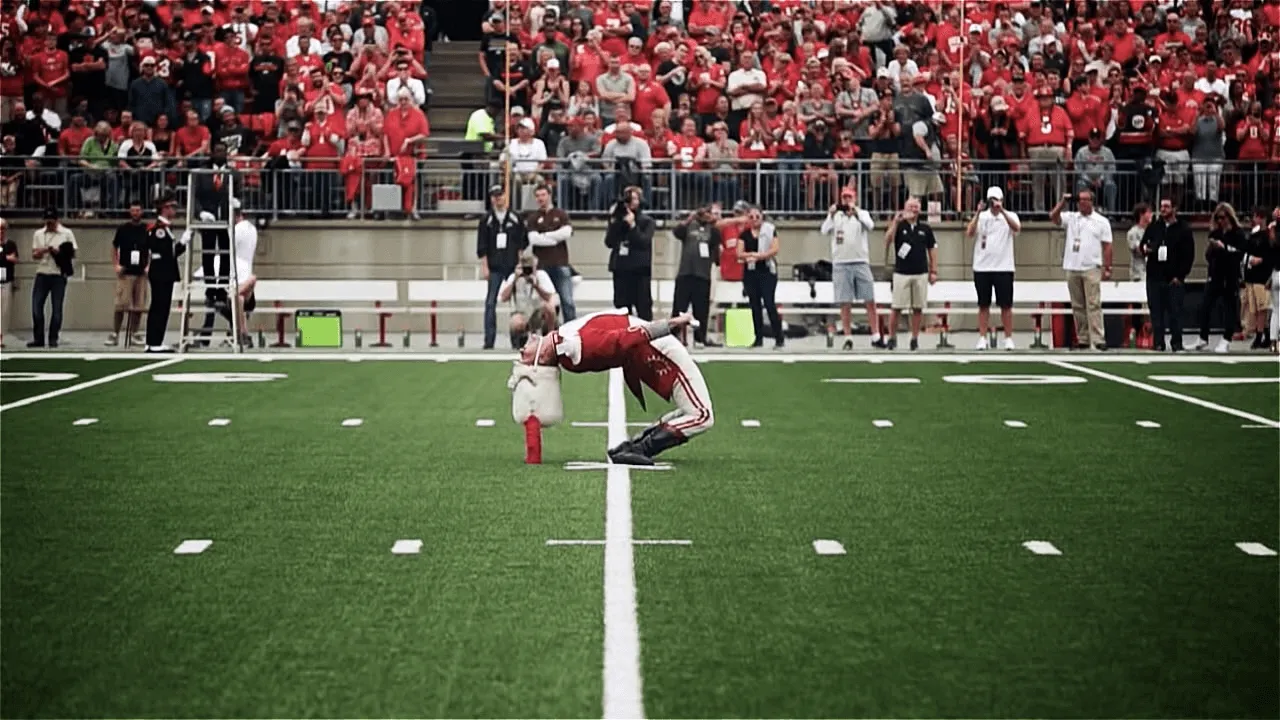
Script Ohio. The sousaphone player dots the i. Randy Walk on the field. Photo Credit: Randy Walk. Used with permission.
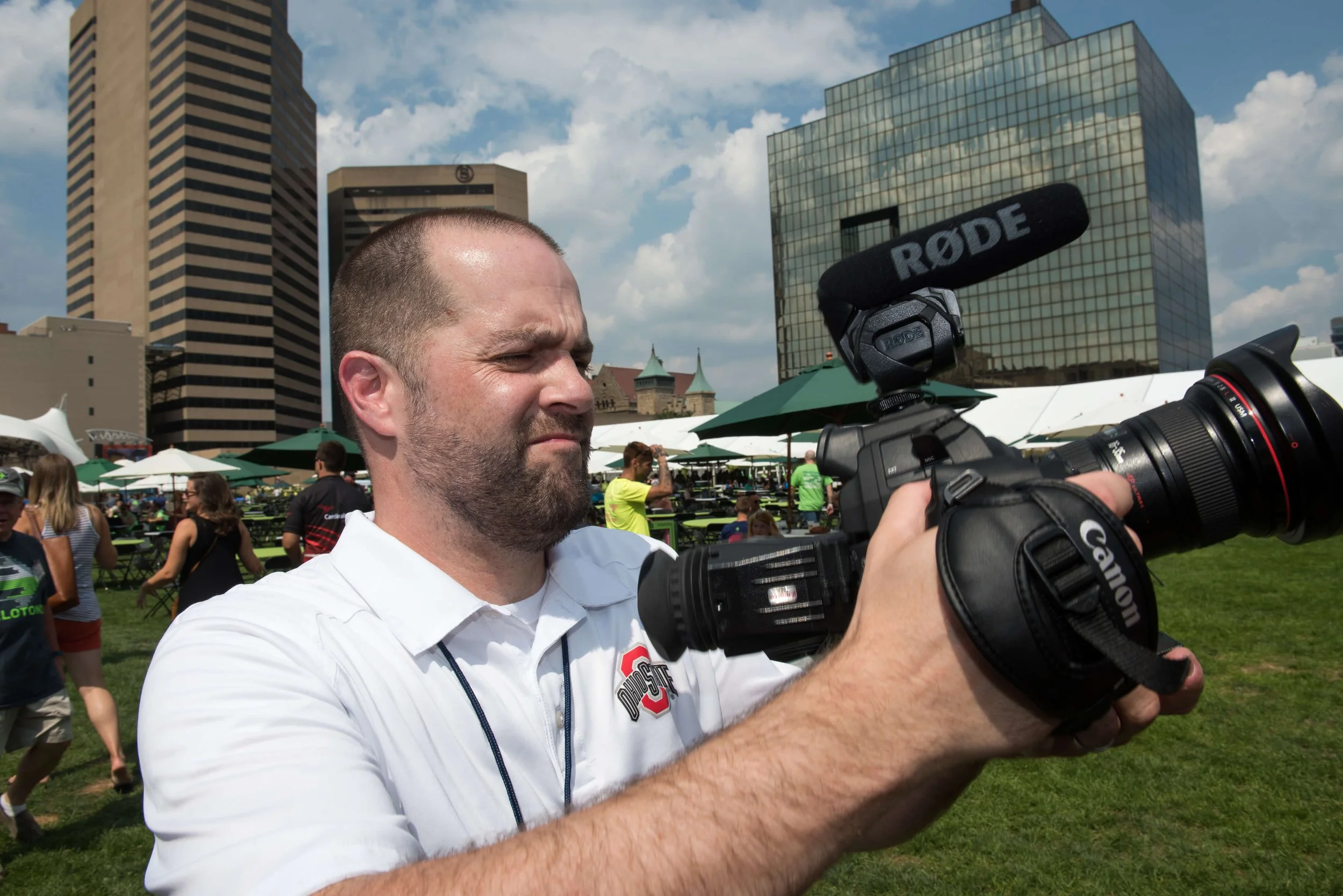
Randy Walk set the standard for multimedia storytelling in journalism long before most newsrooms knew what that meant. He built an Emmy-winning program at the Columbus Dispatch during the difficult transition to DSLR video. Today he’s Associate Creative Director for Multimedia at The Ohio State University.
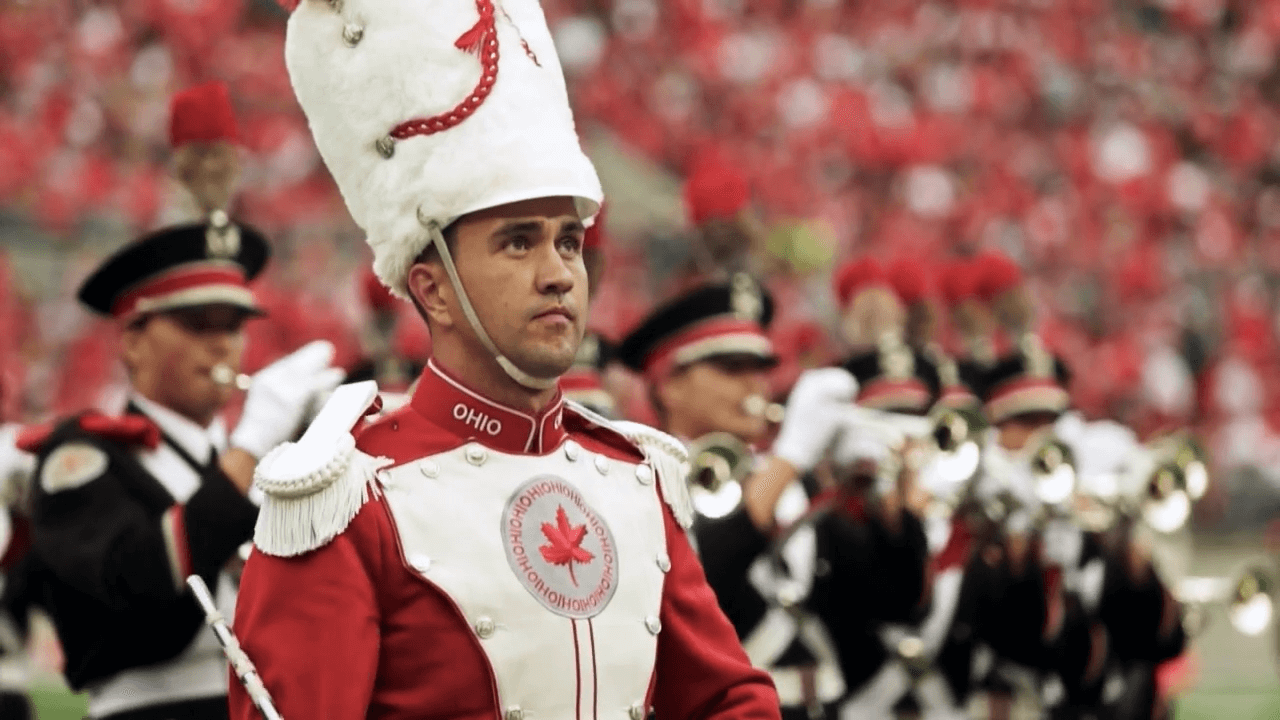
In this episode Randy breaks down his philosophy of shooting for the edit, planning before you press record, and how he pulled off a 4-camera story on TBDBITL’s Drum Major in under 72 hours. Hidden GoPro included.
Why It Matters
In the 90s, newspapers had the most important thing already in the building: writers who knew how to find and tell a story. Most forced photographers into video and treated the camera like a replacement skill. Randy understood the camera was never the point. The story was. That discipline is why his work held up while most newsrooms lost their way.
About This Guest
Randy Walk pioneered multimedia journalism during one of the industry’s most difficult transitions, helping the Columbus Dispatch win multiple Emmy Awards for storytelling that combined photography, video, and sound in ways few newsrooms had attempted. His “Death Perception” series, produced, shot, and edited in 2010 alongside a staff photographer, earned an Ohio Valley Regional Emmy and beat out the New York Times in its category. He now serves as Associate Creative Director for Multimedia at The Ohio State University, where he continues building stories designed to make people feel something, whether that’s affinity for an institution or appreciation for the people whose work goes unnoticed.
Randy’s Bonafides
“
I want to make somebody feel something. I want people to think about people whose jobs are doing things you couldn’t possibly imagine, and that it’s important for people to know their story. That’s what motivates me.
”— RANDY WALK, ASSOCIATE CREATIVE DIRECTOR FOR MULTIMEDIA, THE OHIO STATE UNIVERSITYHear This Episode
Watch Here
Episode Timestamps
Your ZoomPod — Exit Ticket
After this episode, you'll know:
- Why planning the story before you shoot changes everything about the final edit
- How to execute a complex multi-camera story under a tight deadline
- What shoot for the edit actually means in practice
- Why making someone feel something is the real goal of any story you tell
Gear & Affiliate Links
Trick out your kit, and your wardrobe. Both Adorama and SmallRig are having sales right now. Or wear your photography mood, grab a ZWOF set-wear tee shirt. If you use a ZWOF link, we may earn a small commission that does not increase the price of your item.
Randy’s whole career is built on getting closer to the story before raising the camera. Same instinct applies every time you shoot.
Stop Shooting From the Stands →TMac 00:11
Welcome back to another edition of the Doctor Podcast. We’ve been your host, DMA, professional photographer, videographer, teacher. Visual storytellers come in all space and work in all kinds of venues. In the education space, there’s no better than Randy Walk. Randy and I cut our teeth in the TV truck. He in the replay room, me hiding behind a camera. On this episode of the Zoom Pod, Randy Walk, the Associate Creative Director of Multimedia at the Ohio State University, joins me to talk about his multimedia journey and telling stories at the college level. Our guest speaker is in the photo lab. Let’s talk to a pro. Randy Walk, welcome to the Zoom with our feet podcast. How are you, sir?
Randy 01:37
Good, TMac. How are you doing? It’s been a long time.
TMac 01:40
It has been a very long time. Talking in my ear. We’ll get into the TV stuff in a minute. So I ask, I ask this to everybody. Point being, everybody’s as different and unique. How did your journey in multimedia start?
Randy 02:08
If we want to go like way back, it was probably watching Monday night football and seeing one of the behind-the-scenes shows that they did and thinking that would be a cool job. And that’s what I ended up doing. I went to Kent State University, graduated there in 1993 with a television degree. But interesting enough, there was one class there that I really enjoyed, and it was called Electronic Field Production. And basically, what you were doing is you were a one-man band, and you had just one camera. You were asked to do a variety of different kinds of projects, like a how-to video or like a live show, a music video, all these different types of things. And that was like one of my favorite classes, because I really got to try and do artistic things. And what I didn’t realize, and I didn’t realize this until much later, is like I probably should have followed film instead of television, because that’s what I really kind of enjoyed. So after I graduated, I freelanced out at the old Richville Coliseum. Well, I interned, you know, for classic video. I was a cable polar and things like that. And then at the old Cleveland stadium, I got thrown in to the truck one day when a tape operator didn’t show up to the shoot and they needed somebody, so I got thrown in. And then for the next nine years, that’s what I was doing. I was a video tape op. But I can’t say that I necessarily enjoyed it at all. Because there was always something about I learned a lot, definitely learned a lot about live production and working under stress and things like that. But I didn’t actually enjoy doing it. There was always something kind of pulling me elsewhere. So while I was you know freelancing up there, I always knew I wanted to go and get a master’s degree, and eventually I did in information science, which was where a lot of people were going to do things on the web, to learn how to do coding, things like that. So I learned got my you know degree in that, learned usability testing, information architecture, knowledge management, digital asset management, data migration, things like that. So in 2002, I ended up leaving freelancing because I got hired by the Columbus Dispatch in Columbus, Ohio, the newspaper there, to work in the library. And the library is where they built their internet. So we would build, get a lot of public records databases and things like that, and build internal tools for the reporters, you know, voter registration databases, birth records, death records, a lot of things that they could use internally to kind of do research on potential subjects, things like that.
TMac 05:16
You were like a you were you were like a in-house Lexus Nexus.
Randy 05:24
Yeah, pretty much. I mean, we would archive the paper, but we would also do news research, like photo research, but we were also assisting with computer-assisted reporting, so database analysis, things like that, ArcView GIS, doing a whole bunch of things. So after I was there from 2002 to 2006, I was still freelancing on the weekends because you know, we had our son and I needed to make extra money and because we went down to one income. So I would still like freelance in Columbus and do some other things. But then YouTube was invented and newspapers decided that they wanted to get into doing news. The Washington Post, the New York Times was doing it. So then Ben Marison, the editor of the paper at the time, comes up to me and it was a Friday, and he’s like, Hey, you work in the Wisconsin game tomorrow? And I’m like, Yeah, I gotta be there at like four in the morning. And he’s like, Why don’t you start doing video for us? And that became this conversation that he and I had over, you know, a couple of weeks of like, this is where the this is where the industry’s going. You’ve been doing this for a long time. Can you get video and multimedia started up here? So I was like, sure. We had another photographer who’s a good friend of mine, Doral Chenowith, was also starting to play around with video. So he and I would work together a lot, and I would give him my video camera, and he would give me his still camera, and we would swap assignments when we would go out. So all of a sudden my name’s showing up as a byline, and they’re like, why the hell is Randy actually shooting photos? Where’s Doral stuff? And it’s like while we’re teaching each other how to do each other’s jobs while we’re you know out in the field. So we started, we got because the dispatch is you know at the time before it was sold, WBNS channel 10 was like the sister station to the dispatch. So we were able to get some camera equipment for them. So like the first camera we had was a Panasonic HBX 200, which shot on cards, and that’s what I was using to do a lot of video using Final Cut before Final Cut 10, the old version. That’s what we were using. And one of the things that I always didn’t like about like the videos that I was doing was my video never looked as good as the stills. So if I was ever partnering with somebody, it’s like you got the video and it’s like 720p and it kind of looks TV-ish, not filmish. But yet, you know, everybody shooting on their cannons, because we were a cannon shop at the time, you know, with 5Ds and things, until the 5D Mark II came out. And then it was like, this is now the tool that we can use to blend photography and video into kind of one seamless kind of cinematic storytelling. So we started getting some of those. But so I think my first year, like in 2006, I won Best Videographer from the Associated Press in Ohio, plus a number of other awards from ONPA, National Press Photographers Association, and others. After that, they had me step out of doing the shooting and start teaching reporters and photographers how to do it. So started off with Sound Slides, which was this old flash-based program where photographers could take out a Marantz audio recorder, record some NAT sound audio, take some stills, and then try and blend that all into a multimedia story. I would help them edit those kind of things. I would also help them plan their shoots. If you’re going on a shoot, look for this, look for that, look for this, look for that. And then once we bring it all back.
TMac 09:22
Yeah, go ahead. It’s so funny that you just described me teaching high school kids video production.
Randy 09:31
Yeah, it’s pretty much the same thing, right?
TMac 09:34
Sophomores and sophomores and juniors. That was like VP1.
Randy 09:38
Yeah, this is back in 2006. Newspapers weren’t doing that, you know, and then all of a sudden you’re you know, these people have not been trained, they’ve already got other jobs, they’ve got bylines and deadlines, they gotta fill up you know the newspaper every week, and then they’re like, oh, by the way, while you’re out there, why don’t you start doing video? You know, and it’s kind of hard for you know photographers you know to carry around separate cameras of like I got this video camera. They always said, you know, when the fireman’s bringing the baby out of the building, what are you gonna do? Shoot video or stills, pick one.
TMac 10:08
You’re not gonna do both, and which is why canon yeah, enter the enter the dispatch. Yeah, yeah. So yeah, yeah.
Randy 10:17
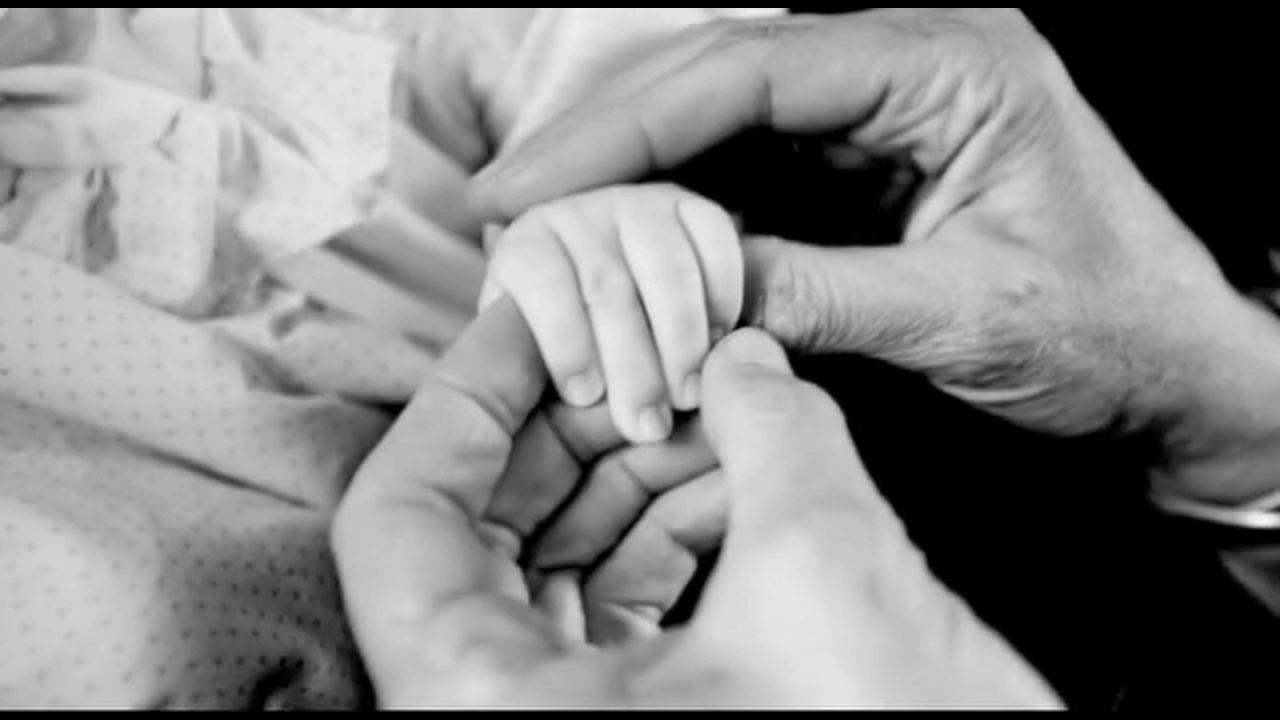
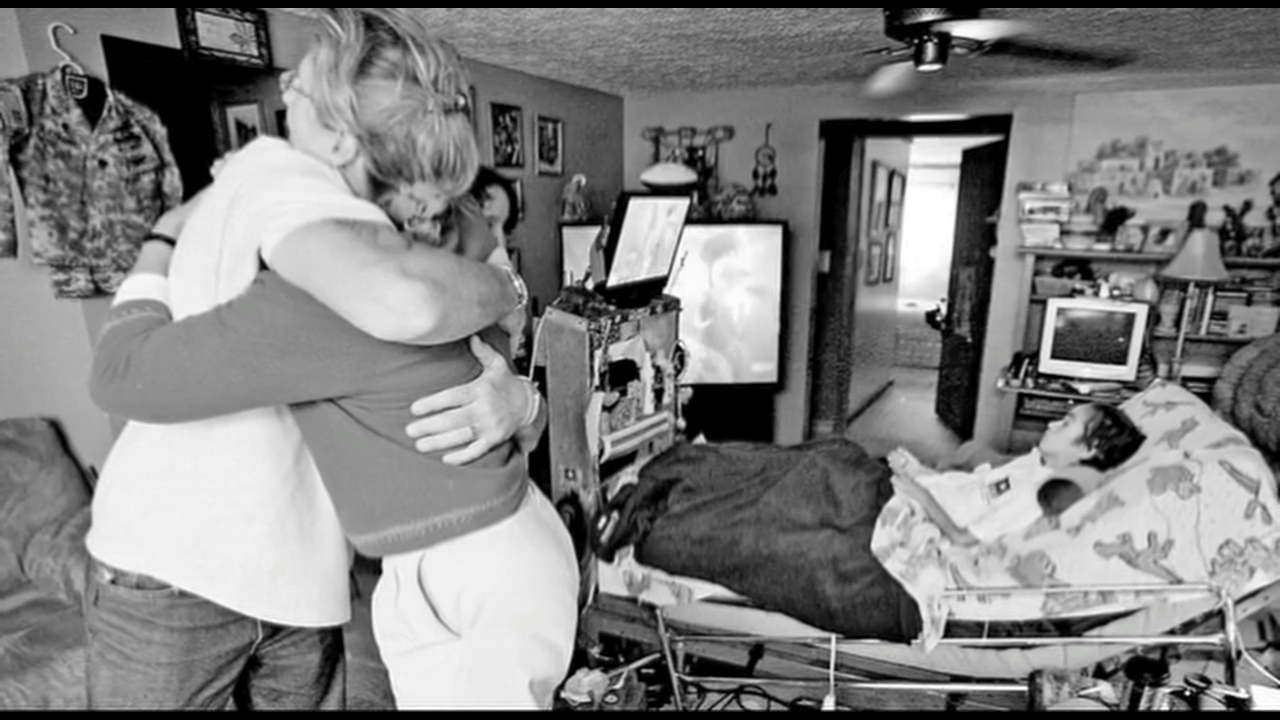
So I was at the dispatch until well, after the year that I was training photographers how to do stuff, I moved into more of a producer role. So then we started building out full-blown multimedia presentations. The biggest one I did was called death perceptions. And that was where we did 10 vignettes featuring people whose death are people whose job dealt with death every day. Whether you were a mortician, whether you were an ER surgeon, a woman who worked in child hospice. So we lots of like huge emotional, really, really tough storytelling. Made a lot of people cry, but we won a lot of awards as well. So I think we were runners up to the New York Times that year for like multimedia project of the year. So we were like pretty much on our way to competing on a national level, and then you know, 2008 bottom drops out of the economy, you know, the housing crisis, recession, newspapers started laying people off. The dispatch had their first layoffs in the history of their company, from what I understand. And then all of that work that we were doing towards all this multimedia stuff kind of came to an end. I wasn’t laid off, but I didn’t want to be around for the second round of layoffs. So at that point, I went into higher ed. So the first job I had was at Ohio Northern University as a the associate director for multimedia development. So I was doing more of the same thing. I was shooting photos, I was shooting video, but then I got to have all the equipment. So I really went back to shooting. And I always thought I was a really good editor from all my years doing like live sports and working at the dispatch, but I wasn’t much of a shooter. Well, Ohio Northern gave me an opportunity to really I became a better shooter than I was an editor.
TMac 12:24
So all those, so all those years ago go back to the shooter trapped, the shooter trapped in the replay room. Yeah, and now you are really more of a DP function.
Randy 12:41
Yeah, so I was really focused on that, and then I eventually was recruited to come to the to the Ohio State University in the same capacity. And while I’ve been here for the last 11 years, I was the only videographer, then I was a part of a team of two videographers, then I became the manager of the video team, and now I’m actually a creative director where I manage digital asset management. So going back to my master’s degree in information science, photography, and videography, I manage all three of them. So going all the way back to that class at Kent State where I was just there kind of like doing and shooting my own stuff. That’s at the dispatch and at Northern, and even here is where I really became what I always kind of wanted to be, but didn’t necessarily know it then. And just kind of when I was in doing TV, it was always kind of like not really knowing why I wasn’t really happy doing it. And then it’s like, I probably should have gone to film school. That’s what I think.
TMac 13:45
But also the lesson is careers have arcs and you got there eventually. Yeah, right. I mean, yeah, you worked your way there. I think one of the lessons is everybody thinks they want to start at the end. And it’s it’s not it doesn’t happen that way. It’s not happened that way for anyone, I think. It’s it’s it’s learning as you go, it’s finding and exploring and applying, you know, your editing came from the truck, your understanding of production came from the truck because we’re banging out all the time.
Randy 14:29
I still use that all the time, all the time.
TMac 14:31
I tell people that all the time. I think like that still when I do too.
Randy 14:38
No, I do too.
TMac 14:39
So I don’t want to leave cameras, I don’t want to leave camera nerddom too quickly. What sure were you still using DSLRs at Northern?
Randy 14:54
I was using, yes, mostly a Canon 70 at that point, and then just a wide range of lenses. So I was really, really focusing on camera movement, composition, really kind of thinking about my shots ahead of time, what focal length I was going to be shooting at, you know, things like that, 50 millimeter feeling different than 35, and really trying to, even though I had zooms because we couldn’t afford primes, I kind of forced myself to like, you know, tape it down and like I’m shooting this at 35. Well, I’d have to go a little wider because of the crop factor, but same difference. I’d have been at 24 millimeter on the crop for the crop factor on a 7D, but just to kind of get the 35 millimeter kind of feel, I would just try and be disciplined that way. Correct. And really kind of be dialed in on this is the kind of feel, or you know, maybe I’d bump it up to 35, which is actually would actually be a 50, you know, for a certain kind of interviews. So really being very, very deliberate about my choices ahead of time and not just kind of trying to like be more of like a real DP of being purposeful and strategic about what color I’m shooting, you know, what my frame rates are gonna be, and things like that. So we didn’t have that much choice on the 70, but I carry that through because right now we shoot on black magic’s Ursus and Pocket 6 6Ks, and we’re gonna be getting a 12k, and you can dial a lot of that stuff in. So the equipment keeps getting cheaper, and we keep getting more and more control over yeah, we’re we’re gonna be buying Zeiss Cinema lenses here in a in a couple of weeks. So yeah, even though I wanted that stuff a long time, we’re fine, you know, the we’re finally gonna get it. So but yeah, like you said, it’s like the your career constantly evolves, but you kind of have to be open to the change. Because when I went to the dispatch, that was not the plan. I was leaving TV and then TV came back or video came back, but it came back in a different form.
TMac 17:10
The techniques you used your technique in a different forum, if that’s the right word. I distinctly remember you making that move, and I remember that was a huge key change for newspapers and journalism is what to do with this video thing. And all of the photographers being worried about and all of that stuff. And ultimate the ultimate equalizer is the technology. And now I flip a switch, you flip a switch on a, you know, I have R6s, I have a pair of R6s and an R7. You know, I’m I can flick my thumb and shoot a clip.
Unknown 18:02
Yeah.
Randy 18:03
Yeah, one of our photographers, Jody, who we were just talking about before we started rolling here, that’s what she shoots on. It’s Canon R6.
TMac 18:10
Love it. It’s a beast. What’s interesting when you talk lens choices, again, you sound more like an educator all the time, Randy. When I would talk to my students about those aesthetics, 35, 50, 85. I would say, you know, and it’s sort of where this sort of whole thing came about with the whole, you gotta zoom with your feet. If you have a 50 and you’re trying to vary your focal length, guess what you gotta use? Yeah.
Randy 18:49
That forces you to do that.
TMac 18:51
That forces you to do that. Exactly.
Randy 18:53
You’ve got to move.
TMac 18:55
Exactly. So what let me let me let me let me end the camera nerd on what’s your favorite lens and camera? You mentioned the black magic. Man, that’s 60k pro Mongo Light.
Randy 19:09
My favorite cam, the fam, the my favorite camera that I’ve ever shot with was a Canon C100, which is what I got when I was at the dispatch. And you have one back there? Yeah. Oh yeah. I adore that camera. And I think I had a 24 to 105 was the only lens that I was able to buy when I went there. Even though it was only you know, an F4. I really didn’t need to go 2-8. That was a little too kind of stylistic because everybody was always like, I need to be as shallow as I possibly can. But, you know, people like Roger Deacons and things like that rarely go beyond F4. So I’m like, well, if he doesn’t need to do it, then I don’t necessarily need to do it. And so I’m like, I can live with this, it doesn’t have to be that shallow, but that camera just became I just I could dial in whatever I needed without even looking at it. It was just us, it was just a part of me. I still adore it. It just didn’t you couldn’t you couldn’t dial in as many frame rates as you could with you know probably like the yeah the 300. Well that was a much bigger camera too, but for like a run and gun style, and I also had a 5D Mark II as my B cam. So, and then a GoPro. So I was always out with like three cameras. So even when I was shooting interviews, I was running three cameras. Sometimes I ran four. So it’s like all the audio and everything would be coming into the C100, and then I would have a 70 to 200 on the five, so it was tight, and then if I had a seven, it would be like on a side angle, and I would just run them all at the same time and then sync them up and post, and then I can just cut around. But always try to make it look like there was more than just one person doing it, so I would push it as far as I possibly could. And most of the time I did a pretty good job of doing it, at least I thought I did.
TMac 21:14
Well, here is here’s here’s what makes me smile about you saying about the specific look of the DSLRs. There’s a whole there’s a pro photographer in Philadelphia, and he took to wears by the Mark Till just hoards part of that character just because, you know, and he’s got an R6, and he and I, he was on the podcast actually. You should check out that episode. He specifically talked about the digital look versus the DSLR look. And so he posts on his IG all the time. Here’s the here’s the R6, same sort of game setting. And then here’s the you know here’s the Mark II look. And then he goes, come on, right? Like look how buttery soft and all of that you know just color goodness and then the sharp sort of square pixels.
Randy 22:25
Mark II is a little more analog because of the mirrors and everything else in it. So it gets a little bit it’s almost like listening to a an LP versus a CD. There’s just something a little bit more organic about you know the actual physical mechanisms going on as opposed to just you know the microchip there.
TMac 22:46
So if you were gonna advise someone in the year 2024 a lens camera combo to get started in both still and video what would you advise?
Randy 23:04
I’d there’s levels with budgets and good better best you know it’s just like a guitarist is gonna you know depends on the type of music you play is to you know what your instrument might be you know country music artists tend to go to telecasters and heavy metal people tend to be you know liking humbucker pickups and probably going les paul and blues might be yeah that’s an oversimplification but might be a stratocaster but same difference here you know each camera has its own kind of aesthetic you know Sony has its own unique look that if you know cameras you know that when it’s shot on a Sony I mean I could watch something on HGTV and I’m like that’s a Sony I can tell I can see it I can just see it at you know versus a Canon or an icon or something like that.
TMac 24:02
So some of it is just you know what are what are you doing and what kind of aesthetic are you going to look for I mean if you want stills and video I’m a huge canon fan I’m probably gonna go canon that’s just me but I think a lot of people would probably go Sony AS7 III those are brilliant cameras if you like the if you like the Sony look you know mirrorless is probably better because it’s lighter so I think if I was advising somebody starting out it would be Sony the A7 series to do both and then you know standard 24 to 70 type lens gets you pretty much everything you want I’ll tell you what brother if I didn’t have a shelf full of canon lenses I would I would snap up that FX3 for its oh god erg ergonomics alone dude handle goes right on the camera no cage you know I have to build I shoot my R7 primarily video with the R7 and so I gotta I gotta it’s canon I gotta have a little cage and I just I’m I’m very envious of the Sony folks where they got the you know the holes right on top yeah you know those cameras were on our list to purchase this year but we’re gonna buy those cinema cinolenses instead so we’ll have to get the Sony’s no the those the Sony would you say the FX7s yeah or what is it I can’t remember FX3 yeah and FX30 and then they go all the way up the FX9 I guess they’re up to now that’s just lights out.
Randy 25:56
Yeah we have those on our list so it’s like well there’s only so much we can buy so let’s just get the cinema lenses because I’ve wanted those for 20 years.
TMac 26:05
So we’re gonna get them so as a as a as you mentioned before as a single crew or as we like to say one man band what is an accoutrement that is a must-have for you could be technology could be comfort you know for instance for my still work and my older than normal back I have one of those collapsible stools and that thing is a lifesaver for me when I’m shooting especially field sports I just plunk it down sit myself on it I can spin on the top if I got to move a little bit I you know it’s plastic I pick it up and off I go is there something that you kind of a must have when you work and I know you’re kind of transitioned out when you did what was it?
Randy 27:06
It was a Manfroto monopod with a with a head tilting head especially if you had a DSLR you know there’s not a lot of image stabilization on that when you were shooting video so if you’re just like running and gunning it was nice just to be able to pop it out put the handle under your arm so you had like three points of contact if you had a Zakudo Z finder on it you know because you were looking through the back then you had four and you could really kind of like lock it in. You could always like lift it over your head you could do you could lean it forward and do like you know faux slider moves. You could always like angle down and spin around and it’s just like you could just move and move and move and not have to worry about setting up tripods. And I one of my videographers that’s one of his like go-to things as well is it’s like he’s like I have to have the monopod. So that was that was pretty much it. Especially I mean if I’m you know just backpacking it and I’ve got my laptop and I’ve got maybe a couple lenses and everything else I’m not hauling you know and I’m like running around the stadium or I’m doing something else. I’m probably just strapping the monopod to my backpack and off I go and then boom and so yeah that’s that’s always that’s like the one piece that I that I need to have and if I can drag all the other crap with me or I can get somebody to help me then that’s great. But if I’m going out on my own then it’s that especially if you do like man on the street interviews or something you could just pop that thing right out there, ask a question, come back, you know. And even if you get a little bit of motion and stuff like that, it still looks fine. Still gives that kind of like organic look but you’re not it’s not bouncing this way and bouncing that way it gives you a little bit yeah there’s no shake.
TMac 28:58
It just locks it right in. So awesome choice my friend awesome choice okay so aesthetic question if you had to define your aesthetic you mentioned lenses if what’s a what’s a Randy Walk shot oh that’s a good question I should probably get my friend Andrew to ask that because you think about it I got another one what’s the I might have to go and start looking at some of my shots it’s a teacher thing I’ll come back to it what draws you in terms of the type of camera work I’m trying to say what do you like in terms of like cinema and things like that yeah I’m really a huge fan of Roger Deacons I mentioned him earlier you know he did Shawshank Redemption and you know Skyfall Blade Runner 2049 Sicario tons of other things yeah Sicario is crazy yeah he uses lots of natural light and only uses enough light you know builds a lot of his own and uses a lot of use of like practicals in his shots so everything really looks very natural very realistic and he doesn’t do a lot of extra stuff with the camera he does kind of just enough that draws you in that if you’re a geek you notice it but otherwise you never notice it which you just notice how it makes you feel and that’s kind of what I’ve always took an inspiration in that so I’ve never I’ve always kind of like anytime I go to hire somebody I always ask them you know especially if they’re like a self-shooting producer director what are you better at doing editing or shooting and then they always I always stump them just like you just stumped me on what kind of shot you are because they’re like that’s really a good question.
Randy 31:31
I mean because for me it’s always kind of changed. Sometimes I’m strong it just depends on what I happen to be interested in at the time. I don’t know that I necessarily you know coming back to like that kind of stuff that it inspires me it’s like simple yet beautiful and tends to be probably around 35 millimeter. I think one of the times that I was most ever pulled in and noticed like visuals when I was 11 my mom and dad took me to see Blade Runner which is a hell of a show a movie to take for 11 year old but Han Solo was in it so how bad could it be? Oops but you know the opening scene is this eyeball that’s like blinking and you know and then you see like the fire you know what the eyeball sees you never really know who was the owner of that eyeball but it’s just kind of like a metaphor for you know the eyes of the window of the soul kind of thing. But anyway I was just like blown away at that moment of just seeing that because I’d never saw anything like that before like on the big screen. So I find that when I do a lot of my editing I’m always like in tight before I start coming out wide. So when I’m building like sequences and I’m cutting to something I never cut I almost never cut out wide and come back in. I’m always cutting to something tight and pulling back out. And it I think it’s from that because I see that a lot and it’s like one of my favorite motifs of just you know you’re coming in you’re you’re right on something else and you’re like I don’t really know what that is and you start slowly start you know revealing it and it I find that it helps keep people’s interest. So I mean if there’s a shot that I’m looking for I’m always getting tight of things. I don’t get a lot of widesper I’m working like details all the time because I always look to build everything out. I shoot because I’m an editor I mentioned that I won that award in 2007 as like best videographer which was funny because I had never I hadn’t shot anything in like 10 years. I was just a really good editor. So it’s like I would when I went out I shot what I needed for the edit. So it’s kind of ironic that I won a videography award but what I was really good at doing was cutting out all my bad shots and leaving all the good stuff in there. So it’s like you know I should have won for my editing but they didn’t write it was kind of new that year. They didn’t have a lot of multimedia awards so they just lumped everything there. But it’s like I won because I was pretty decent I’ve been editing for over 10 years at that point. And that’s what made any of my stuff good it wasn’t the shots the shots were probably the weakest part of it.
TMac 34:21
It’s funny because or interesting in the fact that if I said that once I said it a million times to students think like an editor when you shoot think about the sequence think about the you know it should not all be one you know they tend to all one shot and then the you know now they’re sitting in the room and they really don’t have anything and back to that direct line from organization well you got to plot out some shots or you got to have at minimum a shot list of what you want to cover to tell the story.
Randy 35:04
Yeah you should at least have I was going to say we have a well he’s been with us now for two years but we hired a junior videographer who was a really good editor but hadn’t shot a whole bunch of stuff so I would go out with him on some stuff and he would just be somewhat overwhelmed by everything and it was that advice again it’s like you need to make sure that you’re getting the shots you need for the edit. So think that way. So we you know I went over the five shot rule with him and it’s like okay here’s what you’re gonna do you know you’re gonna get you’re gonna get hands on the face you know it’s the person the thing the person and the thing so you’re gonna get if somebody’s working on something you get them hammering. And then who’s hammering? You go get the shot of the face. Okay now you’ve got two shots come out wide now you got the person and the thing we see the person hammering. Now go over their shoulder and get the third shot and then now go wide and get that person in the room there’s five. Now switch angles and do it again. Now switch angles and do it again and just build the pieces and he’s like that really helps me like when I go I start breaking everything down and I go get that shot then I go get this one then I go this one and he’s like now I have all this stuff to edit.
TMac 36:15
I’m like yeah once you actually learn that then you can learn about being artsy but you have to get something in the edit where I used to have a I used to have an exercise with my students called the dozen and they had to go to one spot and shoot a dozen shots. They couldn’t move you know they could do a 360 with the you know and it was all still shots no camera movement and it was that sort of principle that at each one of those shooting positions you should be able to acquire a good half a dozen eight shots and suddenly you have banked yourself a story’s worth of material to work with when you add it. Yeah because once you go back and it’s over if you didn’t get it your SOL so story wise I was really taken by the I was taken by the piece about the series and all of that and that I would say that’s pretty groundbreaking for a newspaper in to sort of take on that doc vibe in their storytelling I think it fits really well with journalism. I said even when that change was going on that which is why I was always following what you were doing when you were at the dispatch because you were bringing that sensibility to the stories are there. You’re already doing the stories in fact you are the best you are the best of all worlds. You got a bunch of great writers all you need to do is do what we just said collect a bunch of shots. So anyway sort of fought at you know technology and are the still photographers going to be the videographers and what do we do with the cameras and all this other stuff and I’m like man you guys are way overthinking this you got a bunch of great writers paint some pictures now with those words.
Randy 38:27
Yeah that project started I was having lunch with a friend of mine Mark Summerson he works at Business First now but he was an assistant city editor and he’s like I always wanted to do a story about you know occupations that have to deal with death all the time I said well that’s interesting because I was just in church on Sunday and our pastor was talking about how comfortable he is with death because he has to go and minister you know last rites and stuff like that all the time and it’s just kind of a part of life and he’s gotten pretty comfortable with it. And then we just started talking and it’s like well what about this? What about you know one of the stories we wanted to do and didn’t do but was you know somebody who has to go and clean up you know after a suicide or a murder scene things like that. Those folks didn’t agree to work with us but it’s one of the ones we wanted to do but we did children’s hospice, funeral director ER. So we spent like 12 hours at the Ohio State ER one night you know just kind of like working with that you know child hospice and stuff. So I was telling so I was the producer Mark and I were both the producers and I’m like I’ll shoot all the interviews but I think all of the B roll needs to be stills and I want Doral to shoot the stills because he understands video. So he understands image sequencing. So even though that we’re gonna do stills he knows how to build a sequence of shots that’s gonna play back in a video because he and I you know would switch cameras and he was you know we were doing stuff together. And I said plus he just has the sensibility for that kind of story. So he would go out and you know I would sometimes record audio that photo that I sent you of my son laughing that was we were doing a story at my church of that youth pastor who said that he was comfortable. So we were there and Doral somewhat while Doral’s actually taking my picture in that shot but we were working on death perceptions at the time where we were just in a break and my son was screwing around with the microphone but you know I was gathering all the audio while he was so we could have a bunch of you know matte sound and things like that. But once the photos started coming in they started running through the photo department and some of the photo editors were wondering like what the hell is Doral doing what is he shooting? None of this stuff makes any sense and it’s like don’t worry about it he’s he’s shooting video and it’ll all be fine. So it’s like once they actually saw the videos they’re like oh okay now all of it kind of makes sense but we shot the power of that sound that’s the psychology that’s what hits you is we were doing the music I did a lot of the motion graphics and the design but it wasn’t just that we had done these 10 like mini docs that were around four or five minutes a piece we also worked with WBNS and like dispatch marketing and they actually promoted it so we they created commercials and ran those commercials online promos on broadcast and then you know promoted it online and we released we released two the first week and then over the next week we would release a new one and it was always on Sundays when you know we had the biggest circulation but not only that we also incorporated database and animations and things like that where people could go and do a bunch of searching and explore and do more so it was like one of the first big multimedia pieces. So the first piece that I ended up producing was the child hospice thing and the woman who was the main subject of that was so emotive that Doral and Mark and I like in the interview were like in tears because you know we all had kids and you know and she’s talking about these things you know and dealing with this and helping parents grieve and all of that. And we actually found a family that allowed Doral in when they were saying goodbye to their son. So we had those images as well which was just brutal. Also did a mortician who does who does autopsies so I’ll never forget those photos most of those photos did not make the final cut but they were something to see well when I did the first video I went back and showed it to some people in the library and they were just in tears and I’m like is it good? And they’re like yeah this is great so then I went and showed it to our editor and he’s like holy crap he’s like this is not what I was expecting this is like really powerful and then he was like I’m I’m not even sure that we can release this yeah so it they were it was so powerful and so sad and so emotive they’re like we don’t really know what to do with this they went with it anyway legal they went with it anyway and it was one of the largest viewed things we had at the time I got won a bunch of awards and the funny thing is I guess they after I left they still talked about that series of like, why don’t we do more of this? Well, they had layoffs and lost a lot of people and they didn’t really have the capacity to do it anymore. But I ran into folks when I was at Ohio Northern and they were like, Hey, where are you from? Well, I’m from Columbus, and I did the you know, they’re like, Did you do death perceptions? And it’s like, yeah, I was one of the producers of that. So came up with the name and everything. But no, that’s all we were Doral and I and Marker and Tim and Jeremy and the other folks that worked on it were all like super proud of that piece.
TMac 44:38
So any other piece that you that you really pitched and that you’re proud of?
Randy 44:45
Yeah, that death perceptions we had worked on like for nine months to get the approval to go do it because we really believed in it. I wouldn’t say that there’s anything else that I pushed really hard that I’m proud of. I’m really proud of the things that I was asked to do at the last minute. And some of that stuff you see like on my Vimeo piece, or one of them is the there’s a video that I did about the drum major at Ohio State. We had a, you know, when you work at Ohio State, you’re in the state capitol, so there’s a lot of political eyes on you, and we have over close to 600,000 alumni, and a lot of them are in state government. So we actually and federal government, and we actually had some, so it was somewhat right after they had to fire the band director there. It was the following year, and some of the band’s alumni who was in government weren’t think were thinking we weren’t doing enough to promote the band. So they’re like, we got to get this guy off our back, and Randy, you gotta go do something. Well, we were planning on doing something with the band director or with the drum major, but then we just had to ramp up everything that we were gonna do really, really fast within like 24 hours. So I had to call him and I’m like, okay, this is are you are you okay doing this? And he’s like, Yes, yeah, we can do this. So yeah, that was on a Friday, and then the game was the next day. I said, Okay, so here’s what I’m gonna do. He actually had a special hat that had a GoPro built into it. And it’s like, if you can wear that hat, we’ll get the GoPro going because I want to get you as your POV as you run out on the field. And it so I called some of my other colleagues that I knew that just shot video, and it’s like, hey Joe, I’m going to be at the 35-yard line getting him bending back. I’ve got video of him running out the field. Can you be in the opposite end zone and get him running? Because again, I’m building this sequence in my head. And it’s like everything’s gonna hang on this sequence that’s everything, the whole story that we’re building is this point of when he runs out and what that’s like. So I had the whole sequence built. So I had to get help. I’m like, if I can get one of the folks from the band to get me this shot, I got the POV here, I’m gonna be at the 35-yard line, Joe’s at the other end, and I’ll collect all these shots and I can build it. And then the rest of it, I had the like the old steady cams. So I was marching with the band with them, you know, inside with them as they’re marching around, making sure that the band director’s like, hey, you can do whatever you want, but if you fall down, they’re just gonna walk right over you. So don’t fall and don’t get in the way. It’s like, no worries. So he was he was cool with me kind of like buzzing around him, getting all the shots that I needed to get. And then we did the interview after. So because we were just in a huge hurry, well, I shot all of that stuff, and then the following Monday, we brought him into our studio, and then I shot him with four or five cameras, let the hell out of him. And then my colleague Monica conducted the interview while I ran the four cameras and then just did the final edit. So that thing took like 72 hours of just this is what we’re doing. And I pretty much had to map it out. Like, Joe, can you be here? Can you be here? So I’m like editing the, like I said, editing the entire thing and getting a bunch of help. But that was a really kind of popular video that we did. And we were at a storytelling. The our marketing department has the or used to have these marketing forums where we’d bring in marketers from around the university, and we’d have different sessions about storytelling and things like that. And somehow I got roped into leading discussion amongst all these other folks about you know favor favorite Ohio State stories that they’ve seen. And one person said, I saw this video about the drum major. And they’re like, I don’t know where it came from or who did it. And I was like, was it this one? And they’re like, Yeah, and I’m like, okay, well, that was me. And then somebody else is like, I saw that, that was great. So yeah, we don’t put our names on what we do. Everything just comes from comes from the block O. But it’s cool when you hear somebody’s actually seen something that you’ve done and they actually liked it and they remembered it without being prompted. So, and that’s why you end up doing these stories. You hope somebody sees them.
TMac 49:40
All right, pal, coming down the home stretch. I always tell people that shoot video and shoot stills that it’s good for the soul. How does it make you feel?
Randy 49:57
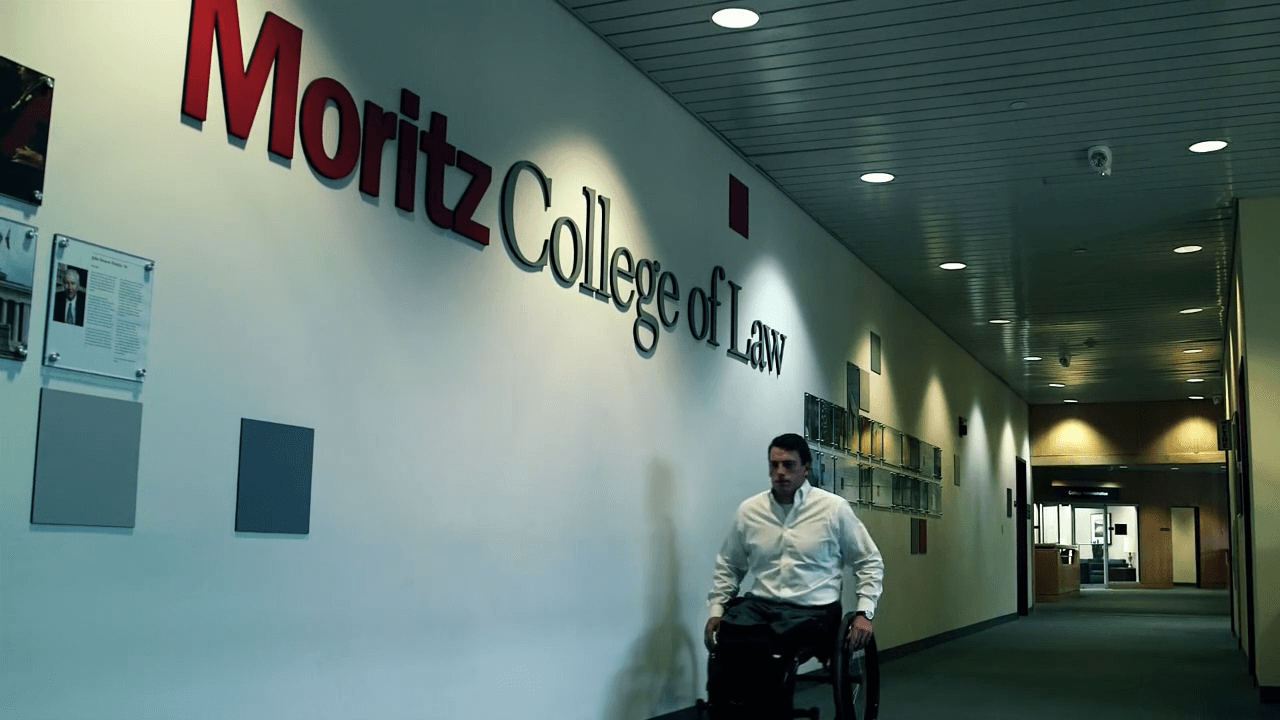
Well, for me, I mean it’s not just about shooting, it’s about telling a story. And I always tell people, you know, when one of our we have normal leadership changes. And so anytime I have this almost standard line, but it’s a line that I kind of stick with, they’re like, why do you stay at Ohio State and why do you do what you do? And I said, Because I want to shoot beautifully shot stories to make people care about this university. So it’s like I want somebody to feel something. I want it, you know, I don’t want it just to be pretty. I want them to feel something. I want them to remember it. Not necessarily remember me because nobody remembered that I did the death perceptions, but they remember death perceptions. They just asked me if I did it. You know, they don’t, you know, they’re like, hey, you know, I saw this video about a rower with no legs from Ohio State. Did you do that one? It’s like, yes. They remember the stories. You know, I remember this one about the drum major. That did you do that? Yes. You know, and it’s like that’s only that you really want. It’s like if I’m gonna go do this, and I know you know, Daniel or Sebastian or Andrew or Kara or anybody else that’s worked with me, that’s what they want too. Because most videographers are storytellers at heart first, they just do it through visuals and sound and everything else. But what they won’t most care about, you know, if you’re an artist, is you just want to put it out there and you hope somebody sees it and connects with it in some way and remembers it. And yeah, when any time that I’m feeling bad about, you know, any BS that’s going on at work or something like that, it’s like somebody saw something that we did and they thought it was, they thought it was cool. And at the end, that’s when you’re like, okay, then that’s why I do it. Because I want, I want to make somebody feel something. You know, if I’m working in the marketing department, I want them to feel affinity for the university. I want them, or if I’m, you know, I, you know, at the dispatch, I want people to think about there are people whose jobs out there who are doing things that you could couldn’t possibly imagine, you know, and this is this is going on out there in the world, and you have no idea, and people have to deal with this every day, and people have the strength and the courage to go and do that every day. And that means something, and it’s important, you know, for people to know that. So it’s like I want to work on stories like that. If they’re like, I just go and shoot this thing, and it’s like it’s like nobody cares, nobody’s gonna care about this. You know, that’s that’s that’s kind of like what motivates me and motivates most of the people I work with.
TMac 52:49
Well, that’s interesting. The story is first. Yeah.
Randy 52:56
And it defines, you know, and if you’re lucky and you have some choice of equipment, it defines how you’re gonna move the camera. You know, what kind of stabilization are you gonna use? Are you know, are you gonna use is it appropriate to use a slider? Is it appropriate to use a glide cam? Is it appropriate for it to be shoulder mounted? Should it be should this interview be on sticks? Should this be handheld all the way? Should it be POV? Should it be vertical? You know, it’s like any of that all comes first. Well, it doesn’t come first, the story comes first, and then you decide what tools you’re gonna use, from frame rates to which camera, whatever. That’s what it all comes down to.
TMac 53:46
And then and if you’re gonna put that BOV in that dude’s hat, it bet it better be it better be rolling. It better be rolling. That’s the funny so all right, brother. Last question. And I know that you’ve hired plenty of folks. So my last question is always you know the same. What do you look for in potential hires, be it intern, be it higher level folks?
Randy 54:26
Someone who’s not me. Because there’s already a me, and I have a certain way that I go about you know doing things. I look for people who can add things that I don’t have. Sometimes they’re much more artistic than me. Sometimes they have much they’re better editors necessarily than me. I’m kind of a jack of all trades. I can do a lot of things, and I can do a lot of things well. But I don’t need another one of those. I need others that bring something that’s unique to them. Because even though that we’re going to tell stories and you know use Ohio State’s brand aesthetics, you know, just like a director who directs a Marvel movie, everything’s gonna look like a Marvel movie, but the director’s gonna put their own stamp on it. I want all my photographers to be able, I want to be able to see their own unique way that they see the world, even though they’re telling stories on behalf of the university and we have brand standards that we I still want to see the uniqueness, and I still want the uniqueness in our videographers as well. And everybody does something a little different, but I look for artists. I also look for people who are curious and are willing to do different things. And people who are patient enough. I mean, if you’re gonna be successful at Ohio State, anytime you want to apply for a job there, it always says 10% other duties as assigned. The realistic thing is it’s like it’s 50 to 60 percent other duties as assigned. So you should be, you know, you never know what this place is gonna ask you to do. Ohio Northern was the same way. And in fact, the dispatch was the same way. I didn’t go there to do video, I went there to be in the library, and then all of a sudden it’s like, you willing to go do something different? Yes. You know, always be willing to do something different, always be willing to try something different. But then bring your own artistry and your own uniqueness. I don’t hire people like me. I hire people who are not me because I want different skills. I want to be able to, because then I can pick and choose who’s going to like work on a different story. You know, when I worked at the dispatch, there were 12 photographers there. They all used Canon, but they all had their own unique way to see the world. And I was always fortunate enough because they had we had a we had a retreat every year. So I got to build the multimedia presentations and I got all the all the photos that were submitted, and I would build these slideshows, and I would get to see all the stuff that either didn’t make it into the paper, and the same thing with when I was in the library, I would see all this stuff flowing. So it’s like Neil’s were different than Eric’s, they’re different than Fred. You know, it’s like you can tell who shot something just by looking at it, and it’s like I know Eric shot that, I can tell that, you know, I don’t I don’t even have to see the byline, I know exactly who shot that. And it’s the same way. It’s like my friend Andrew would be like, I can tell when Randy shot something, that’s a Randy shot. And it’s like, well, I can tell when you shot something, yes, it’s definitely Andrew, and I can tell Daniels, and I can tell Kale tell Karas, and I can tell you Sebastian’s as he’s continuing to develop his own skills, he’s starting to do stuff like me, but then starting to do things that inspire him and becomes a little bit different. So I like to be able to see that, but that’s kind of what I look for: somebody who has something unique to bring, but yet still wants to grow and try new things.
TMac 58:16
So well said. Randy Walk, I can’t thank you enough for being a part of the project, brother. Thanks for making the time.
Randy 58:25
Absolutely. It was a pleasure. It was good talking to you again.
TMac 58:28
I gotta stop in next time I come down your way.
Randy 58:32
Next time you’re at Columbus, drop me a line. I’ll make something happen.
TMac 58:35
You got it.
Randy 58:36
All right, buddy.
TMac 58:41
Thanks again to the multi-talented Randy Walk. You can check out all of his work at Vimeo.com and the Ohio State University’s YouTube channel. The Zoom with Our Feet Podcast is a production of TV Commando Media. The Zoom Pod theme is by November, and they’re funky group Cloud 10. Podcast fans, if you prefer the Zoom Pod without my ugly mug, no offense take it, check out our Zoom with Our Feet Podcast website. There you’ll find episode info, links to all your favorite audio podcast channels. You can subscribe at zoomwithourfeet.buzzsprout.com. Until next time, creators, if you’re not telling stories that move people, you’re not learning.
More From Randy