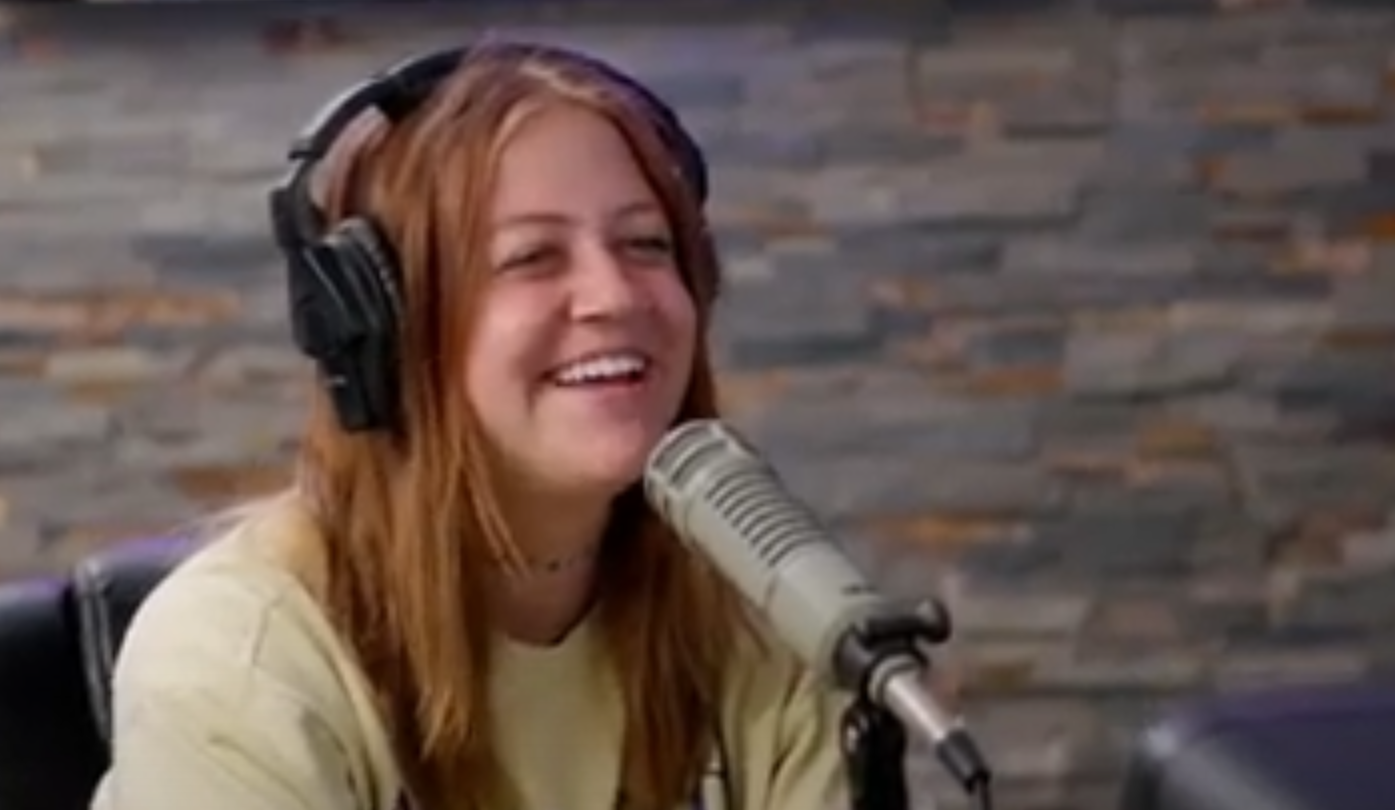
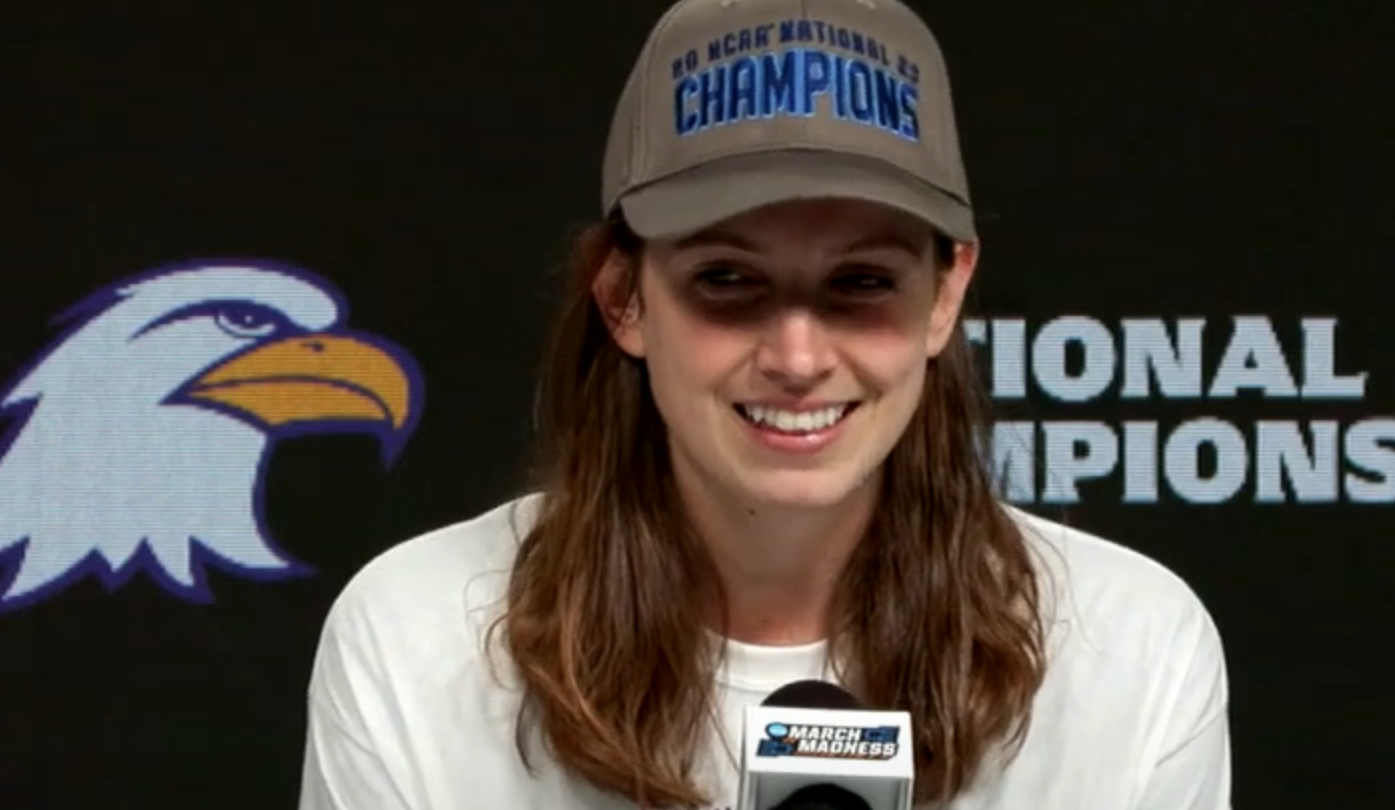
John Skrada — TV Truck Owner, Broadcast Operations & Why the Journey Is the Point
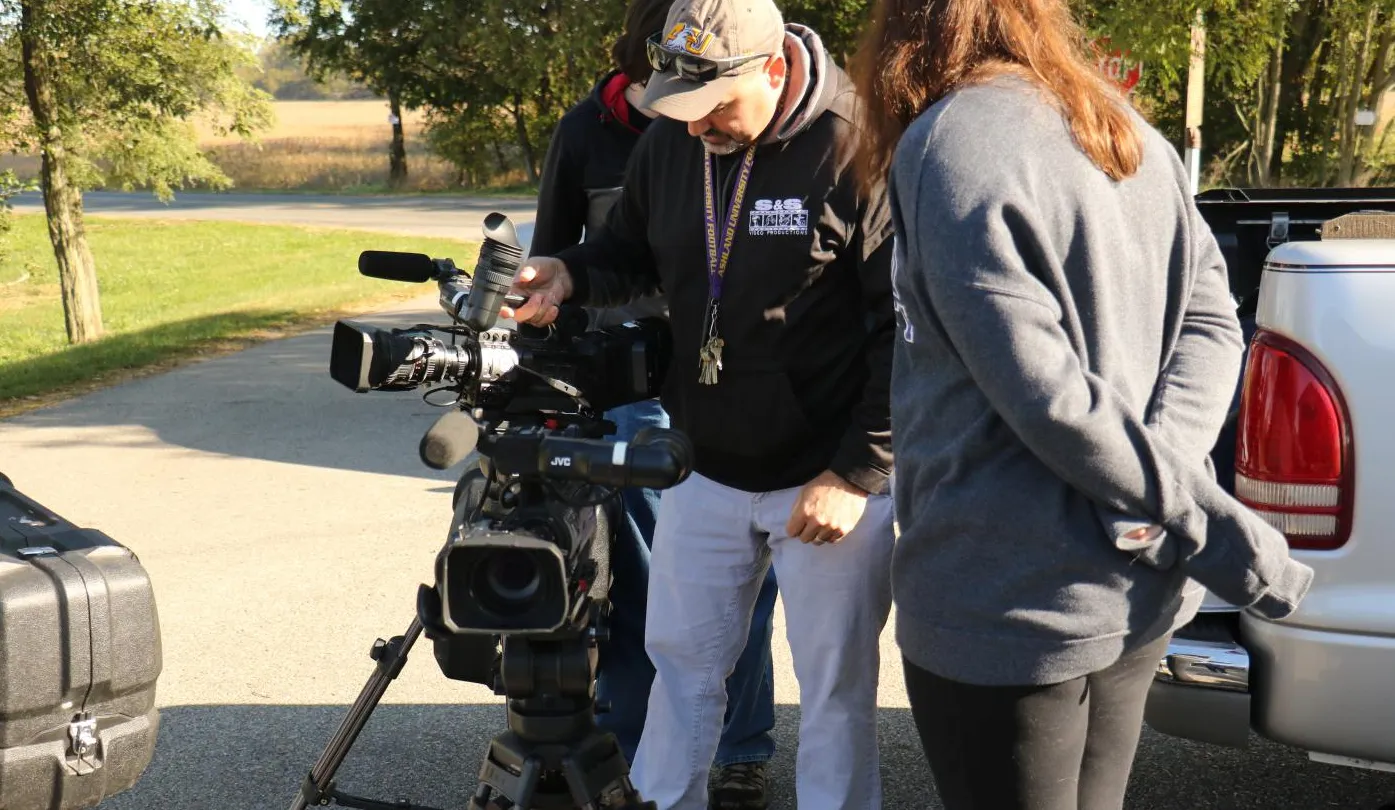
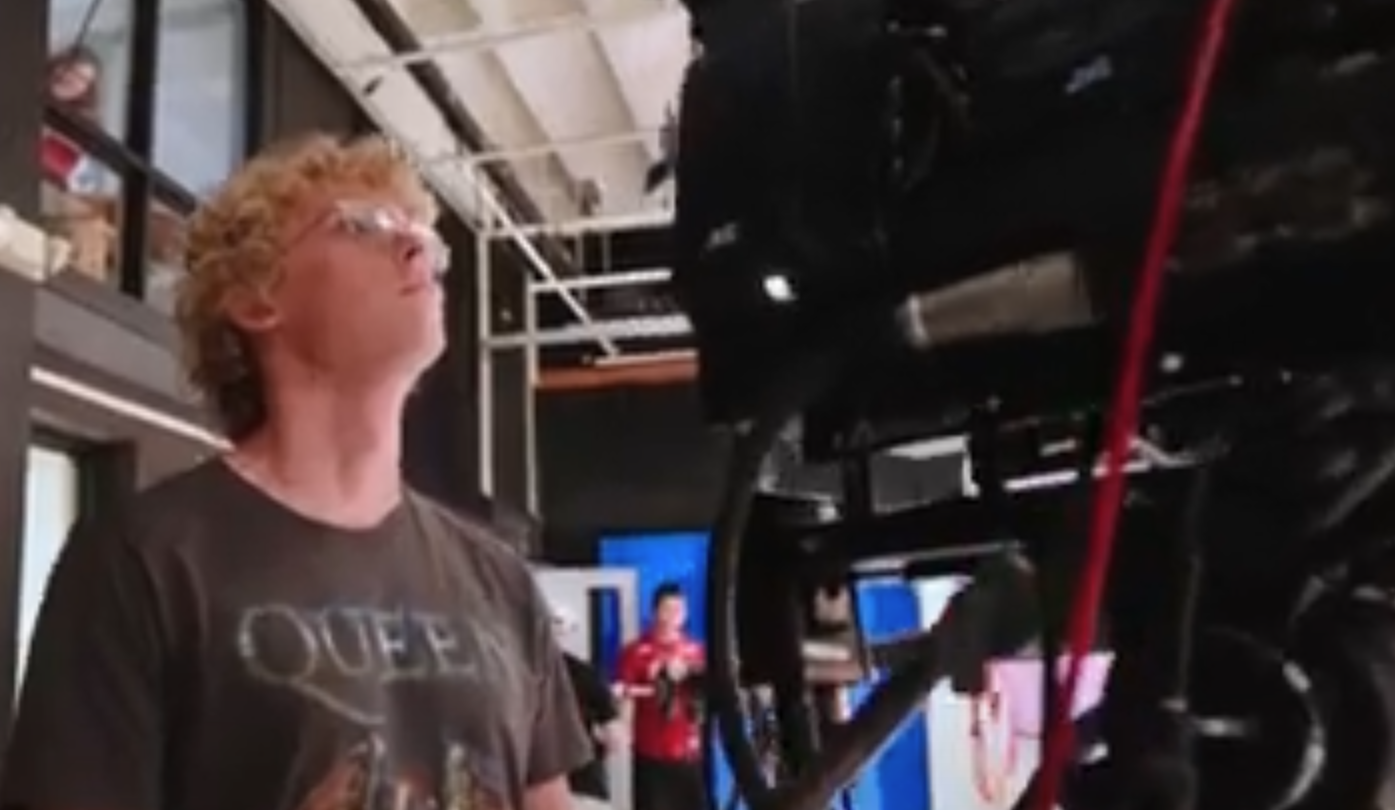
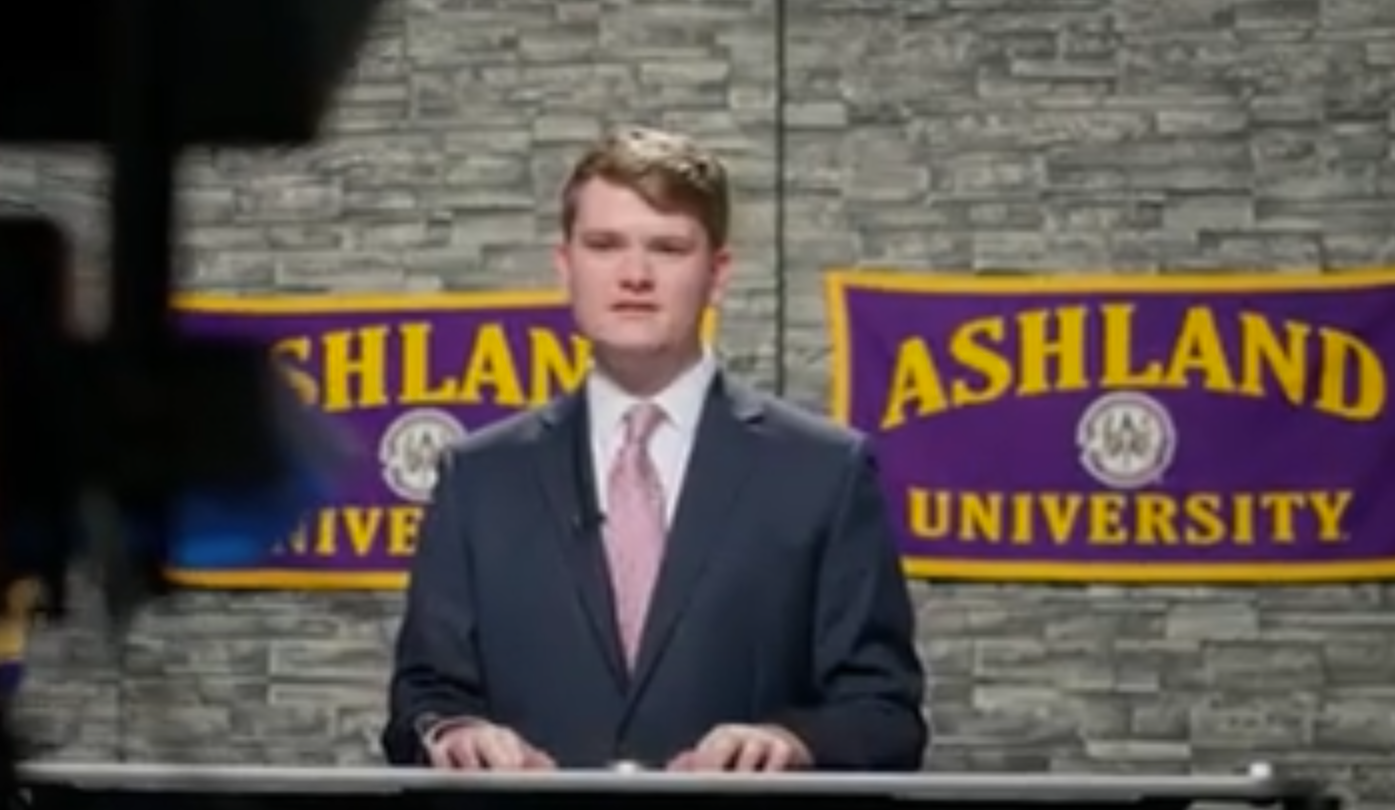
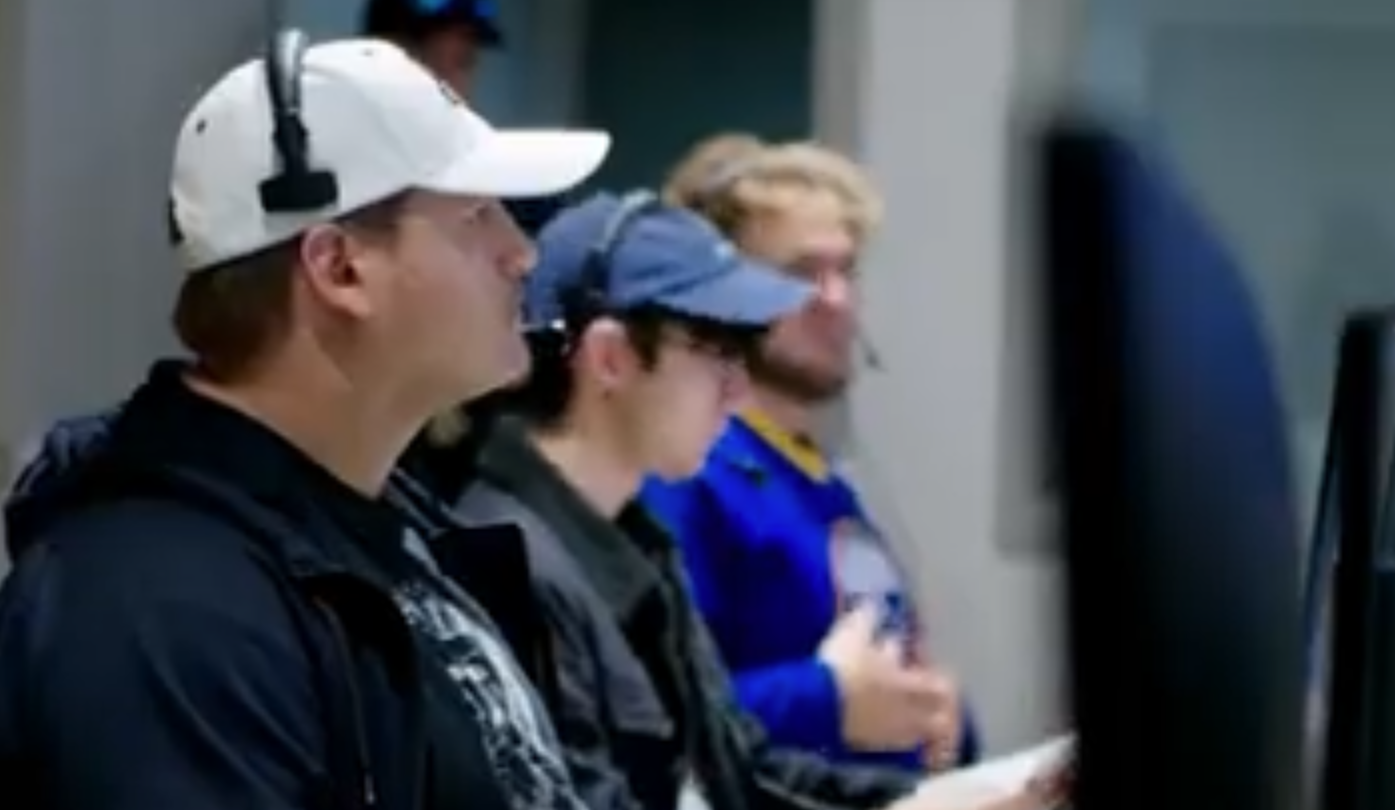
John Skrada teaching ENG camera setup to Ashland University students. The journey continues in the classroom. Photo Credit: John Skrada. Used with permission.
John Skrada didn’t plan a broadcast production career. He signed up for a TV class at Cleveland State because his buddy Dan Sevic said it looked fun, and the rest followed from there, camera operator, editor, replay operator, director, TV truck co-owner, and now Director of Broadcast Operations at Ashland University.
In this episode John traces every step of that journey and shares the one thing he tells every student who sits in front of him: it’s not where you end up that matters, it’s how you got there.
Why It Matters
John’s career is proof that curiosity and saying yes consistently build something nobody could have planned from the start. He didn’t set out to own a TV truck or teach at a university. He just kept learning the next thing in the room he was already in. For anyone early in a media career wondering if they’re on the right path, John’s answer is simple: the journey is the path.
About This Guest
John Skrada is Director of Broadcast Operations for the Journalism and Digital Media Department at Ashland University, where he has taught for 14 years. He is also co-owner of S&S Productions, operators of a small multi-camera TV truck producing live sports content for FanDuel Sports Network. His career spans camera operation, editing, replay operation, directing, and production company ownership, built one opportunity at a time through a network that traces directly back to Dan Sevic, Steve Warren, and the Cleveland Indians scoreboard room in the mid-1990s.
John’s Bonafides
“
It’s the journey when you talk to somebody. Everybody has a different story in how they got there. It’s not where they’re at right now. It’s how did you get there? That’s the interesting thing — everybody’s story is so different.
”— JOHN SKRADA, DIRECTOR OF BROADCAST OPERATIONS, ASHLAND UNIVERSITYHear This Episode
Watch Here
Episode Timestamps
Your ZoomPod — Exit Ticket
After this episode, you'll know:
- Why the journey matters more than the destination when building a media production career
- How saying yes to one unfamiliar role, like replay on 20 minutes notice, opens doors you couldn’t have planned
- What it means to keep learning the current technology even after you’ve mastered your primary role
- Why owning a production company and teaching at a university aren’t two separate careers — they feed each other
Gear & Affiliate Links
Trick out your kit, and your wardrobe. Both Adorama and SmallRig are having sales right now. Or wear your photography mood, grab a ZWOF set-wear tee shirt. If you use a ZWOF link, we may earn a small commission that doesn’t increase the price of your item.
Explore More
Check out our other great podcast episodes. Link and follow for more great learn-photography content: IG @zoomwithourfeet | FB @ZoomWithOurFeet.
John built his career by showing up, saying yes, and moving closer to every opportunity that appeared. Same principle applies behind any camera.
Stop Shooting From the Stands →TMac 00:06
Hello and welcome to another edition of the Zoom with our feet podcast. With me, your host, TMac, professional photographer, videographer, and teacher. The Zoom pod is your gateway into the world of creators, offering valuable insights and discussions with experts from photography, broadcast, and cinema. On this episode, my buddy and former colleague John Scrata stops by to talk about the importance of the journey and about his path from camera operator to replay operator to director to TV truck owner. Our guest speaker is in the photo lab. Let’s talk to a pro. John Scrata, welcome to the Zoom with Our Feed podcast. How are you? I’m doing well. How about you, Tim? I’m doing great. Great to see you.
John 01:10
It’s really always good to see you.
TMac 01:12
It’s been so long, man. You know. It has been. It has been a while. So let’s catch up. I know some of this. Full disclosure, John and I go way back. Yes. Farther than we’re both willing to say. Exactly. How did this journey start? Where did you where did you get the bug? Where did you go to school? Tell me about your journey.
John 01:40
Yeah, I’m glad you asked this because I always tell the students here at Ashland. I’m still at Ashland, I’ve been here for 14 years, but with the students, when I have to speak to them, I always tell them it’s the journey when you talk to somebody. You know, everybody has a different story in how they got to. It’s not where they’re at right now. It’s how did you get there? It’s the interesting thing because everybody’s story is so different. Mine starts, well, really, I went to Cleveland State University. This would have been 19, summer of 1988, if that’s I’m gonna tell you how old I am. So I went there, didn’t know anybody. I basically the summer two summers before I did it for two summers in a row, I worked construction and I’m like, I had no intention of going to college. I was, but I realized I go, this is not what I want to do. I do not want to do it as a as at a pool company. I’m like, this is not me. You know, concrete work was not me. So at the end of I just like I’m going to school. So like at the last minute, like in August, I went and signed up for classes at Cleveland State, got in, and didn’t I didn’t know what I was gonna do. I had no idea. And then I had I met a couple people, and Dan Sevik was one of them, and he was a year older than me. But we were hanging out together like in between classes, and I think one day he just said, Hey man, I’m thinking about taking this television class because you want to take it with me. And I’m like, Yeah, sure, why not? So that was the first thing I noticed is when I walked into the class, I’m looking around at all the people that are in there, and they’re they just seemed like they were having a really good time, and that’s kind of my speed. I want to have a good time too. So I go, okay, this is this seems fun. Let me try this. And then once I got into it, I go, okay, this is what I want to do, you know. So I dug in, but I was like, I was working full time at the time and I was going to school full-time. So it took me six years to get a four-year degree. I mean, I’m I mean, I’m a little slow. So the it took me a little while to do that. But so I got my degree and I ended up Dan and I became real good friends, and he graduated a year before I did. So he was working at for the Cleveland Indians at the time, and I remember he said he goes, You can just once you graduate, we’ll I’ll get you in over here. And it’s like, okay, cool. Well, that was 95, 94. I graduated, and that was the year of the strike, whatever that year was. 94? Correct. I think it was 94. Yeah. Because we met.
TMac 03:58
That’s where we met was at the Indians games.
John 04:00
Yeah, yeah, yeah. So I did an interview with him, and I don’t know. I don’t know if Dan probably told him, yeah, take pity on this guy, just hire him. So I ended up starting doing stuff in their scoreboard room with Dan and Steve and other people, and it just kind of grew. I did that for seven years, but after about my fourth year, I started doing broadcast.
TMac 04:20
What came we’re gonna get into all of it. Yeah, but what came first? Was camera first?
John 04:27
Yes. Let me think. I think I yeah, I think I was dabbling in camera, but then they needed an avid editor. And so that’s how Dan and I started our company because Steve Warren again came and said, Hey, you two knuckleheads, all you guys do is talk about, hey, we’re gonna start a business. You know, you’re 20, what, 25 years old? And I’m like, man, we can start a company and you know, change the world. And we started the company, and that’s about as far as it gathers, and it would change the world. But so he said, Hey, if you guys buy an editing system, we’ll rent it from you. And I said, Okay, so it’s basically almost enough money to make the payments on this thing that we so they needed somebody to operate it, so I ended up operating it and then renting it to them. Then we started to make a little bit of money, and then we bought a betacam. So we bought a ENG camera, and then it was lights and audio, and then another editing system, then a third editing system because we were doing more and more stuff with some contracts. So that’s how I kind of got started with that. But yeah, but I started in camera, then editing, and then I ended up, I don’t know if it was one day somebody like got sick or something at a it might have been a Cavs game or something, I think.
TMac 05:40
Replay.
John 05:41
Yeah, and they came to me and go, hey, we gotta put you on replay. And I go, I’ve never done it before. And they’re like, you got 20 minutes to figure it out. And I’m like, okay. So I sat down and I guess I didn’t totally they were probably being very, very gentle with me, but I didn’t totally screw it up. So then I just ended up starting to get some gigs with doing replay and camera at the same time.
TMac 06:03
Let’s talk about let’s talk about replay as a position because you’ve done some pretty extensive work in that position. And bonus, theme of the pod, you’ve taught people how to do it, including which was no small was no small feat. Controller attached to so explain the pro explain the tool and then explain its uses and really what makes sports is replay.
John 06:40
Absolutely, and that’s everything. Everybody wants that, everyone wants to see the angle. Even now we do in smaller streams. Now they want, you know, the referees want to take a look at the you know the small stuff we do, and it’s like you might be on a small, you know, a high school level or a college level, and they still want to see it. So it’s it’s everything really. But when I started, it was it was tape machines, there was no, you know, hard drives or anything doing it. So you actually had to know how to rewind everything and make sure you have enough of the pad of the hero to get back, you know, and dropping, you know, cue points and stuff to get back to it and try not to, you know, roll your roll it to hash, or you know, if you’re doing a basketball game and you’re reusing the tapes, so sometimes you’d roll into the hockey game from you know the two weeks before, you know, sometimes. So you had to be really careful. But that’s where I started, and then after that, then the EVS or the Elvis came out, and it’s gone a lot more. I don’t do it nearly as I used to on EVS. I like in a pinch, I could do like what they call an RO, which is just replay only. I don’t really build packages. I can, but I’m not real fast at it anymore. And I probably was never real fast at it. There’s a lot better operators than I am for sure. Yeah.
TMac 07:53
What’s what’s amazing about replay in sports is for me, and I used to talk to you about this all the time, but for me as a camera operator, if you talk to other camera operators, for me, I didn’t learn anything. We were all doing the same thing. But as soon as I started talking to the replay guys, they were like, sit down, we got a whole list of things that we need you to do because it’s parallel things. You’re working live for the director, but you’re being recorded. And there’s a whole separate set of requirements that the record folks need. And I think that helped me be a much better camera operator in that environment, knowing, yeah, yeah, the lights, the red light’s gonna come on, signifying that I’m on the air. But there were things that you needed to do or not do when that light went off because it was being recorded. Right. So it’s like this two-master thing that you serve when you’re doing recording. And all y’all are not shy about saying you gotta you gotta hold your shot after you can’t be you know swishing off to somewhere else trying to get another tab, you’re tally, you’re being recorded. And it helped me so much as a younger before beard camera operator that you know all of those tape guys, you included, were able to communicate a whole different set of criteria, things you need to remember when you are working a show.
John 09:42
Yeah, that’s it’s actually that was very smart of you to actually talk to the most camera guys, they just know they’re supposed to do their job. That’s why, you know, especially in a tape where sometimes they’re referring to you know, some of the, you know, they’re just greasy lens pointers, they’re just pointing the lens. There’s there’s a lot more to it than that. And I didn’t learn I learned more about running camera once I went into the replay world because I’m like, oh, plus I got to see some really good camera operators, and I go, that’s where you do. Because like I said, not only I’m not that I’m surely not the best replay, I’m not the best camera operator too, but I learned a lot from watching the ones that have been doing it a lot longer than I have and did bigger shows than I had it, and they just more experience, you know, and I’m like, oh, I get it. And then let’s say I left to go from the tape room to go do camera. It’s like I know what it I even if I didn’t do it a whole lot, I know what it’s supposed to look like. So I just emulate, you know.
TMac 10:35
That’s you know you knew what to offer. Yeah, it’s it’s it’s offerings.
John 10:40
Yeah, and then and like you were saying, hang on shots a little longer. Because you start thinking like a director sometimes. And then when I got into directing, I’m I’m thinking about all of that when I’m running camera too, is like this is what I would need, and I know I’m in replay, and I know what they need for because you’re doing role, it’s not just shooting the highlights, it’s shooting the flavor, the you know, the something funny in the crowd, or something great, great face from React from one of the players and stuff like that. That’s just as important as the game sometimes, you know. That’s what they’re looking for.
TMac 11:12
So you built a good foundation, then you and Danny crazy. And what year was the start of the business?
John 11:25
We started the business in 1997 with just the one avid and everything, and we slowly were building, we really weren’t making money. I mean, it was a we make a little bit, but most of it just went to paying equipment off. And it’s and there’s many times where I’m like, is this even worth doing? Because as much time as I’m putting into this, am I getting any as you know, enough out of it? But I’m glad I stuck with it because probably the well, probably the last 10 years have been really good, you know, and it’s been but we built our first truck, I want to say in 2002, 2003, and that was an analog truck. So I learned a ton on putting that together. I always, you know, people ask me, and I go, look, I had I had no business doing this because I really didn’t know what I was doing, but I learned a ton doing it. So yeah, I still don’t consider myself even here, I’m like, I’m not really an engineer. I know good engineers. I go, out of necessity, I had to figure out how to make things work because I just had to do it. So when it, you know, I’m still that I still look at it that way. I could I can make it work, you know.
TMac 12:34
The interconnectivity of it is what I think a lot of people don’t understand. The interconnectivity of cameras, switcher, monitoring, replay, and then all of that down to one something or two audio and video out to wherever.
John 12:57
In the beginning, well, when I s in when I started, it was analog, so it was a totally different animal. Now it’s it’s very, very easy compared to what it was because everything had to have blackburst, everything had to be timed, you know, and it was just a it was a different world where you had to know how to do things. And now it’s it’s almost all plug and play. I mean, all these switches, you just kind of go, well, everything’s like networked now, too. And you go NDI with everything, you need you can pull things in, you know. It’s crazy how much easier it is. But on one sense, in another sense, it makes it even more a little more difficult on another other ends because you know, I have this problem, you know, with if your network goes down, you lose everything. You have nothing because it’s all networked together. You’re you know, in my truck, my replays network to the switcher, my graphics are networked to the switcher. So I mean, I don’t have it, I don’t have those problems in my truck because I kind of I kind of made it where I know it can work and it’s it’s pretty foolproof. But working other places that you know, like I work I direct the Cleveland Charge games too, and we moved from Canton to Cleveland and we had to move our room just this past summer. And we always have network issues because it’s just a lot. We’re we’re we’re pulling in a lot of stuff, and there’s a lot of people on the network, you know. So it’s like it gets kind of yeah, it’s it gets we’re we it just took us time to fine-tune it. Now it’s pretty smooth, you know. But in the beginning it was like, why isn’t this working? It should be working, but you figure it out.
TMac 14:31
We’ll get to we’ll get to directing in a minute. So that led to first truck about what year? 2000-ish?
John 14:40
2002, 2003, I think. Okay, yeah.
TMac 14:43
So now we’re now we’re getting close to the Ashland years. Yeah. So in my journey, I was now by the early 90s, I was now out on golf.
John 14:56
Right.
TMac 14:57
And would see you when I would do a guest spot on the visitor show for baseball or whatever. I made the decision in 2000-ish. I my oldest was born in ’96, and I realized it wasn’t sustainable. You know, 35 weeks of golf a year just wasn’t gonna fly. And I got the job teaching, and here was my first thought when I started teaching was what a wonderful teaching tool your truck was, swear to God. Right? Not too big, not too small, crazy good capabilities, and that this was a great platform to teach students. And it doesn’t have to be sports, right? Right, it could be a whole lot of things that can be shot multi-camera and in a truck. And I remember thinking that when I started, when I switched from television to education, which would have been right around 2002, I think was my first year at Hoover.
John 16:15
Okay. I remember when you left. I remember when you were you told us all, and I remember talking to you. I remember going up to you and go, man, that is awesome what you’re doing. I remember telling you, I go, that’s you got it. You that’s something in my head, I was like, that would that’d be something I’d like to try some someday. Not knowing that it would actually happen. I was going there. Yeah, yeah.
TMac 16:36
So then fast forward, so after about six years at Hoover, I got it in my head. This is all, you know, me thinking that the seniors in high school, we were helping find colleges. I felt like at the time leading up to that, I had now my teaching license. I was getting, I was understanding how to be a good teacher of this. I was very lucky. I was teaching what I know, but still having to put it in terms that kids could learn.
John 17:10
Right. That’s the hard thing to do, too.
TMac 17:12
It is a very hard thing to do. And so I felt like I wasn’t helping them get jobs. And so when the Ashlin opportunity came up, I jumped at it for the reason that I could help kids get jobs. That’s what I thought at the time. Right, right? And I remember because of circumstances, we were changing the department and really in need of someone to do operations. And you were the first person that I thought of. And I said, Oh, I got a guy. And the first thing I told, I remember telling all of our dear friends now was not only can this guy has he done it all the down the line of production, he built his own truck. And for me, that’s the ultimate teaching and learning environment. And to my shock, to this day, you were game for the whole thing. Yeah, absolutely. And you’ve and so for you to go, yeah, I’ve been there 14 years, I’m like, what have I done?
John 18:26
Yeah, you brought me here, but I’m I’m so thankful that you did. I mean, it’s I to be honest with you, I didn’t I didn’t think it would last this long either. And I’m and it’s it’s fine. And I don’t know, you know, when people t ask me about you know, even the students here when they ask me about, you know, you know, work and stuff, and I always and I still look at it as I look at it as it my it’s a three-act play, and I’m in my second act. I said, I feel like I have a third act in me, I just don’t know what it is yet. I go, but if I stay here, that would be fine. That would be totally fine. But if something happens or something else comes along, I’m you know, I’m totally I’m open for it, and I’ve you know, I’ve had a couple chances to do it, but it just didn’t seem right, you know. So I’m I’m still here and I’m glad I am. I know, I mean, you know, it’s it’s it’s flown. I can’t believe it’s 14 years either. It’s crazy.
TMac 19:19
Well, what I’ve learned is that really there’s two parts of sort of constructorist constructivist education, and that is laying out the laying out the theories and the general knowledge of fill in the blank. Right. But there’s an application step. And I think that in where most colleges are lacking is in that application step. So students will graduate with a knowledge of remote truck work, but no experience in that. Right. And so the beauty of I think what I was able to contribute at Hoover, because they have a truck now, yeah, and also at Ashland with you is that second part. And for me, that’s the money ball, because now and you only have to look at the graduates in that time period and where they are. Right. At this point, a third of them have been on the podcast or at least recorded already, right, because they’re they’re off doing production. So for me, the point was you were the you were really the linchpin of us, you know, all of the teachers wanted to converge, we wanted to break down the silos, we wanted all of our students to take a little radio, take a little newspaper, take a little production, right, and then work with the crazy guy with the truck and get the and get the experience. And I think that for my money is what makes Ashland’s program, Kent’s program, so strong is that they’re able to apply it in as close as we can get to the real world. And in your case, in our case at Ashland, these were games going on a television network through your contacts, which were built, as you said, with those with those relationships, which also proved, because I would always say, these aren’t it’s not by chance that Ashland games are on STO. It’s because of a network and relationships and people who know each other. Yeah, yeah, exactly right.
John 22:04
Yeah.
TMac 22:06
So okay, so for all the other reasons, some of us have moved on, but you’re still going strong. It’s it’s awesome what you’re still able to get done. You’ve had some championship seasons and but I think what’s what’s what makes me kind of smile is that you’re still dipping your toe in keeping your skills in the industry. How did directing come about? Tell me that story.
John 22:44
Well, that’s when we started doing our truck, and Dan was actually doing a lot more direct. Well, obviously he’s the director of the Cleveland Cavaliers now, but he was moving up as a director, and I did some TDing for him and stuff, but for the for our business, I’m like, I would do what we needed me to do. I didn’t really have to. But he got he was torn between working bigger games than what we were and doing ours. And I’m like, if you get an opportunity, you gotta go for it.
TMac 23:10
You can’t you gotta do that.
John 23:12
Yeah, you have to. So when he said, Okay, I can’t make these number of games, I said, fine, I’ll move over and direct and get somebody else to run replay and produce. And so now it’s I think now I direct more shows with our company than he does just because he’s he’s very busy with the calves and he’s he you know with traveling and everything, although he doesn’t have to travel as much as he did he used to. They do a lot out of the studio now.
TMac 23:38
So we’ll get to sort of the evolution of remote, not remote production. But rattle off some of the stuff this you mentioned charge, yeah. Which is funny having it go so it went from the Civic Center in this area to up back up in Cleveland.
John 24:02
So that’s where we’re at now. And that’s when they’d moved there.
TMac 24:06
You’re back at Cleveland State?
John 24:07
Yeah, I know. I come full circle back. And I and I swore when I left there, I go, man, I’m never this is where you know it goes bad as I graduated from there and I walked out of there, go, I’m never gonna work in this town again. And that’s where that’s where everything’s at. I was pretty ignorant. I didn’t think it through. I didn’t know I was gonna go to sports, but so yeah, so then I get a call from Robin Catler. She was works for the Cavs, and she’s she just said, Hey, do you do you know anybody that knows how to cut a show on a on a new tech switcher? And I’m like, I wrote her back and I’m like, Well, I own one, you know. I just said, Well, I own one. Dan, both we both, you know, yeah. I go, what do you need? I thought they just needed help, they had a problem or something. And she goes, Well, we’re you know, we’re we need somebody to do charge games. I thought she meant like one game, and I’m like, I go, yeah, I’ll help you out. That’s cool. And then she goes, Great. And then she sends me the whole schedule, and I go, okay. I go, I go, okay. And I look and I so I started cross-referencing with all my other games that I was doing, and it just worked out that I was off on every game that wasn’t. I said, So I go back, I go, well, I’m available. I go, yeah. So then I walked through that was three years ago, and I’ve done every you know every game since I missed a couple because I had a that’s probably when I went on the national championship runs with the girls here to well last year was Dallas and St. Joe’s.
TMac 25:26
Where else?
John 25:28
For the directing. Directing. Well, I do all the most of the games here, and that’s you know, football, basketball, volleyball, wrestling. We’ve done. What else? Lacrosse. Then the charge stuff. What else have I been directing? That usually takes up most. Oh, I did USFL stuff in Canton. See, it’s is this a weird yeah. I’m I’m either Canton or Cleveland, it seems like. So I did that for last season, but this season they merged with the XFL and they only took four teams from each league. And the two teams I was directing for, neither one of them are in the league now. So Canton doesn’t have a team. Now that might change in the future. And they said something about bringing us back to do the talking about having the playoffs there again and the and their championship game. And if it does, and I’m if they call me and say, Hey, would you want to come back and do these, you know, couple weeks of this, I’d be like, Yeah, you know, it’s in the summer. You know, I really I don’t want to go back doing baseball. So I don’t know what I’m gonna do this summer. Last summer, when they called me, I was almost ready to call and say, Okay, I’ll do some baseball. And then Robin again called and said, Hey, you want to do football in the summer? I’m like, of course I do. Yes, absolutely. So I did that, and that was fine. You know, it worked out good. It was like enough of my summer, but I still had a little bit of a summer off because it was all weekends, so you know, there’d be like Saturdays and Sundays, and sometimes it would be both, you know, or two games in one day. It was real kind of a weird schedule, but it was it was fun.
TMac 26:60
So normally when I talk to people, I’ll say to the you know, Adam White’s a cinematographer, yeah, the photographers that I’ve talked to, I’ll say what’s in your kit. For you, I’m gonna I’m gonna start with so give me a rundown of your mobile unit and what its capabilities are, how many cameras, how you’ve set it up, and you know, kit being in your case, a kit on wheels.
John 27:36
Yeah, yeah. I the whole idea was when we got done at one point, well, it was like 2001 or something, and we paid all of our stuff off, and I was talking, I go, what do you want to do next? Because we can keep doing this editing stuff, but I was kind of getting burnt out on editing, and I was like, you know, I’d rather just do live and done. Once it’s done, it’s over with good or bad, it’s over, you know. So I was like, you know, I kept telling him, I go, I’d like to try to build a small truck. And I think he probably, I think in the he was resistant in the he didn’t really want to in the beginning. He’s I don’t know, man. And I go, I go, well, so I took about nine, I probably nine or ten months of just researching equipment. What could I afford? Because basically we didn’t have enough money to just go out and buy all the equipment right out. So I knew I had to get go get loans. So I had to get a couple loans, we both had to sign on it, and we got a like a certain amount of money, and I go, okay, I know how much money I have to work with. Can I do this? So it just everything kind of fell into place just knowing people you know that had, you know, racks or in Pennsylvania, Pittsburgh. So I’m like, work there, or I talked to somebody. I got a bunch of racks. I’m like, you want to sell them? Sure. So I ended up driving the truck I just got to Pittsburgh so I could get six racks to put all my equipment in. Drove it home and just started putting it all together, but I wanted to keep it small for a lot of reasons. In my head, I kind of thought, let’s just do high school sports. This will be good. I go, so we need something small to get into get in and out of places because most, you know, and that then I had to re figure out the power thing because I’m like, I can’t go in and expect these high schools to have 220, you know, ready on a box outside of the, you know, the football stadium. I knew we got I gotta think of power consumption, got to figure out how much I can draw. So I had to do all the math, which is a big stretch for me. But I figured out what I what I could do and how I could do it off of two like 20 amp circuits, and that’s what basically was my concept. What can I do? Now, so much easier. Everything doesn’t draw in power because remember back then you had those you know, NTSC monitors that were like I didn’t need heating, you just turn those things on in the winter and it just heat the whole truck because there was so much heat coming off of them. So you got to figure out air conditioning, you gotta figure out heating, and like now it’s just a totally different animal. Everything’s a as a computer doesn’t, you know, very low amount of power drawn. So I had to do some research on what can I afford camera wise, what can I afford you know, lens wise, and what could what did I what was I trying to do with it? So my head was high school sports. Well then it kind of got into where I was doing stuff for did you do have you had Paul Ditchie on? He’s the one that actually started us doing we went over there and did John Carroll stuff when he worked over there. So John Carroll that I started doing games over there, then BW didn’t want to be shut out, so they called, and I started doing BW games, and then it then it went into no, I did I’ve done like Worcester and Heidelberg and Ohio Northern and obviously Ashland. Who else have I done? Lake Erie. I’ve done stuff for a bunch of yeah, that was a while ago. With the first year they were had a football team, I did a football game for them, and it just kind of grew. And then once I got here at Ashland, I kind of fine-tuned it down to like, okay, now I can get a crew with the students and teach them while we’re doing this. So, you know, and you know, maybe kick them a little bit of money just for coming out instead of getting a side job, they can just come in. To the to this date, it’s we’re still doing it the same way we did when you were here. You know, they were they kind of work for kind of work for me, and I got to write them all checks, and it’s it takes up too much of my time writing the checks because I gotta do it for the radio guys too, and you know, because we’re doing a radio feed on top of a TV feed or stream, depending on what we’re doing. And so it kind of just evolved. Five cameras? I have four on this because I realized when I had five on my other truck, and I realized nobody’s paying me any extra for the fifth camera. So I and the switcher I wanted to get or to only had four inputs for it, and so I’m like, let’s just do four camera shoots to I kept thinking at that point, it was like this is more of a teaching thing now. I need to teach them the basic four camera shoot, and you know, and then tell them, hey, that they only get bigger from here, but every game you do will have these four cameras, these are the year essential four, and so that’s kind of what I went with. And that after a while they start getting it, and if I have them for a couple years, you know, if they go through all four years and they’re doing all the games, I mean, it gets, you know, it gets a lot easier when you have to start from scratch where every kid on there has never done this before, and that’s what happened after COVID. When COVID hit, we didn’t do games for like two years because they weren’t they weren’t letting us or they weren’t playing. So by the time it rolled around again, all the key all the kids that were working on my shows, they all graduated. So I go, okay, I did it once where I started from scratch. Because one thing to take like a freshman and sprinkle them in, you know, one at a time. But when you’re doing like all of them, it’s it’s you’re starting from scratch again. You and it’s it’s kind of rough. So I have to actually tell like bally’s and stuff where we’re doing a game, I go, hey, just so you know, it’s gonna be a little rough on the you know, until we get our legs in her us a little bit. And so that but they’ve been pretty understanding. We still try to make it look, you know, because they have they have minimum standards, and we’re we’re like we’re we’re we’re hitting the minimum standard of what their games are.
TMac 33:05
But you know how to produce. So, and what I would tell the students, Unbeknownst to you, was this is how shows are done in trucks much bigger. Yeah. The way John has formatted what we do and when leading right up to kickoff is the way the standard for how larger shows produce sports.
John 33:37
Yeah, it that’s exactly what in my mind I wanted to introduce them to the basic, but show that you know, that like let’s have a sideline reporter, and it’s gonna be a little bit more on audio now. Now you got to deal with, you know, some IFBs and some you know wireless mics and stuff, and let’s include it in so it is I just keep looking at it as it’s it’s just a tool. And I said, and the and the most important thing I think is the terminology when we teach them exactly what it sounds like, and I always say that, I go, I could take you, yeah, I could take you to a game, my next game, a ESPN game, whatever, and I go, you could sit down next to me, I could put you, put the headset on your head, you’re gonna understand. I go, there might be four more people screaming, but you’re gonna understand what they’re saying. So because I go to other schools and stuff, or I peek in on what other they’re given the wrong instruction, the wrong terminology because the instructors or their lack thereof, they had they’ve never done it and they’re just kind of making it up or thinking they know what they’re doing. But I’m you know, within about 30 seconds, I’m like, you have no idea what you’re doing. So that’s kind of what I think the difference between what we’re doing here and what other places are is like you’re getting two guys that do this all the time, you know? Yeah.
TMac 34:48
Have you done corporate work with your truck and what kind?
John 34:53
Yeah, very little. I just sports is really you know, the only sports and the I like commencements and stuff like that. That’s about all I do. Summers are usually slower because no school is in session, and that gives me a little bit of a break, which I which by the end of the school year I kind of need. I’m like, you know, especially if we’re going strong by doing every football game, every men’s and women’s basketball game, if you’re throwing in volleyball, wrestling, lacrosse, and I’m just like, okay, I need it. Otherwise, I’d go probably a little bit crazy, you know. But which is fine, you know, but I don’t I really don’t do a whole lot of corporate work with my truck. I’ve done it for other people, but not too much with ours.
TMac 35:33
Well, where I was going with that is another lesson because I do get a lot of students that say, I’m gonna run my own business. Yeah. I hear that. What would you say to them about the business side, dealing with clients? Yeah. I used to advise, oh I remember telling you this, I used to advise all of my majors to go over to the business school and take minimum two classes. Best minor in business. Because chances are, better than 80%, that by the time you get into the industry, you’re gonna be an independent contractor, have an LLC, working for yourself, and guess what’s the first thing you’re gonna need to understand is all the basic business you know, gonna have to have that basic business knowledge.
John 36:26
Yeah, for sure. I would definitely recommend that because I didn’t do that route. I learned the hard way. And what I mean the hard way, you know, I’ve you know, people will take advantage of you and you know, and you gotta learn about people on top of business, and on and then you to realize how to separate it, you know. You know, when I’m doing something, especially if I’m doing something a long time with somebody and it things, you know, hey, we’re gonna go different directions. Hey, totally understand. It’s business, man. Every time I take a contract on, I know this will end one day. It’s not forever, you know. So I don’t ever take it personally or anything like that. In the beginning, I think I did because I was like, you know, you get rejected. You’re like, what happened? It’s it’s just the way it is. Budgets happen, cuts happen, and it’s as an easy first cut is you know, take this away. So it’s part of the deal, you know. And I always, you know, I always truly believe, you know, if one once one door shuts, another one’s gonna open. You just but to be ready and always be looking for when that you never know when that door is gonna open. And it could be lead to something totally different or something sometimes even better, you know.
TMac 37:34
What’s next, my man? What’s next?
John 37:38
I think it was the same conversation I was just having with my tax guy the other day when I, you know, because I said, look, I don’t know how much longer I want to do this, you know. He’s because now I bought something. He’s like, hey, you want to depreciate this for seven years? I’m like, seven years. Am I gonna be doing this in seven years? And so I gotta start looking at it. I’m gonna be turning 54 here. Do I want to do this when I’m 60? I don’t know. I mean, I’ve gotten everything out of it, probably in more than what I ever expected I would do. So if it all ended tomorrow, that’d be fine with me. I’m I’m I’m good with it, you know. But right now I’m like, well, you know, I’m I’m making money, I’ll keep doing it, why not?
TMac 38:17
You’re that’s funny because at our age, you’re having the same conversation with your tax guy and your chiropractor.
John 38:25
I haven’t been my chiropractor for a long time, and I want to keep it that way.
TMac 38:28
How long’s back gonna last?
John 38:30
Yeah, right, right. Doc. Yeah, I mean, it’s just true. You start thinking a little differently. And when he said that, it kind of took me off. I’m like, seven years. I go, I don’t know if that’s a good idea. I don’t know, I don’t know if I’ll be doing this. And I don’t even know what I told him. I don’t remember. I think I did end up taking the seven years. I go, that’s probably when I’ll probably get out. If it hasn’t doesn’t go bad, you know, before that, I’ll probably step away. Or maybe find somebody else to run it and I’ll just, you know, I don’t know. It’d be fine if I walked away though. It’s fine.
TMac 39:01
There’s a couple out there that you’ve trained that would probably take it on.
John 39:04
I hope so. That’d be cool. I would I’d be definitely be willing to give to some somebody younger that wants to get into business and stuff and you know learn like I did, you know, the hard way a lot of a lot of times.
TMac 39:18
But you said it so well back at the beginning. So I want to end with you had no idea that when you started the journey, you would end up here. And I don’t mean talking to me, I mean where you are and the skills you’ve acquired in the industry. So let’s let’s circle back. So last question is, and I know you’re doing this, but I want you to say it here, what do you advise students wanting a career in this crazy media production business that is ever changing and ever demanding? What give me three things that you pound away at when you’re talking to students.
John 40:18
That’s funny when you say this crazy media. It is crazy. This is this is it’s not normal by any stretch. I mean, really, it could be if it if it really wanted to, it could be an HR nightmare because it’s it’s not your normal job and things are done and said that usually probably doesn’t happen on normal, you know, you know, workplaces, but it takes a certain per type of person to do this. But when I have students and I talk to, you know, I have you know, I’ve had some, hey, I kind of want to do what you did, and I’m like, okay, you know, are you sure first? And if they are, and they ended up they are working in the business now. You know, I have a picture downstairs where during the All-Star game that was at Cleveland, what, a year ago, two years ago, whatever it was, I got them all on, you know, a lot of them that went through this, and they took a picture of them at you know on the court and gave it to me because you know, six students that went through here and they’re all working the game. And I go, that to me that’s success. You know, hey, I did something, which you know, once, and I always say that I can get you to the door. What you do once you cross into the room is it’s up to you. But the mo the three most important things I think I always say is the most important thing is work ethic. That’s everything in this. And I tell even when parents come for tours and they start asking me questions about can my kid actually get a job in this, and I said, it’s up to the it’s up to the kid. I go, we’re gonna give you every opportunity you want to do. I go, but if you don’t have no work ethic and you don’t do them, I go, it’s it’s the equation is very simple. The ones that bust their butts, they get jobs. The ones that don’t, don’t. It’s simple. It’s just like that. So I always tell you, say work ethic is everything. Especially if you’re really gonna circle around when I started talking about when I was at Cleveland State and had no idea what I wanted to do, you know, and I just came into this, I mean, I never would have thought I’d be here, you know. I would have never thought I couldn’t I couldn’t imagine it. I didn’t know what I was gonna do. I had to do really bad jobs to realize what I didn’t want to do, and then come to here. And I’ve been I’ve been pretty lucky. I mean, I’ve worked some long days and lots of days in a row, you know, to get here. And don’t have to do it too much anymore, but it was all worth it. But I think work ethic, because look, and I tell them also, I go, look, I wasn’t the best student in the world. My grades weren’t the greatest in the world. There were people a lot, you know, I tell people this, people always a lot smarter than me. I go, but you know what? I knew that. The only way I could overcome that, I just said, I’m gonna outwork you, you know? I’m gonna outwork you. And that’s what I’ve always done. If that means not sleeping for a couple days just to prove that, hey, I you’re gonna drop, I’m not. I’m gonna keep going. So that’s kind of what I do is to take a look at it. So it’d be yeah, work ethic, you know, which I guess entails to outworking everybody, but you don’t have to be the smartest kid. You don’t, I don’t care about nobody cares about your GPA when you get out of here. I shouldn’t even be saying this on these grounds, but you know, nobody ever asked me, hey, what would you get in MassCom? No, before we before we start this World Series game, what’d you nobody cares? It’s just you know, you know, so you know, school does mean a it is important, and I would say that. But if you’re I go, I’d rather take a whole classroom of C students that work their butts off than a bunch of straight A guys that don’t want to work, you know. It just doesn’t make any sense.
TMac 43:42
And the show will reflect that.
John 43:44
Yeah, yes, absolutely will.
TMac 43:47
Yeah, give me a couple more.
John 43:48
Those are the most important things that coming out. But I mean you probably even you can almost tell the ones that really apply, and that’s what kind of makes it work. Sometimes you start second guessing, I’m like, what am I doing? They, you know, they don’t want to do this, or but there’s always a couple that really wanna do it, and those are the ones that are gonna make it. So I mean, and that’s why I think you’re doing what you’re doing and I’m doing what I’m doing, because it’s like, you know, I’m always looking at, well, who’s gonna do this when I’m done? I gotta pass the torch to somebody else, you know. You know, so you know, going out and getting that first job is tough, and I know, but you gotta go through it.
TMac 44:29
I met someone locally that informed me that they had done a golf show and they had come to me during lunch and they said, Do you mind they were a utility. Oh, okay. And they said to me, Do you mind if I go up and run your camera? And there were a lot of guys that didn’t like that. And I said, No, absolutely. I said, you know, this kid was like four inches taller than me. And I said, one rule don’t reset the camera for you. Right. I’ll have to stand on a lens box to run it when I get back out there. So you’re just gonna have to suffer through my setup. And he’s like, no, no, no, I got it. Well, he’s he’s traveling now, doing golf. Is he really? And camera guy, and just living his best life. But he sent me a nice note and it was like the same thing he was saying. It was like he wanted it, he saw those opportunities, and he just found somebody that I think he knew would not mind. Right. I was he was no threat to me. Right. So come on. And that’s kind of when you know that there’s more teaching and learning than there is some of the some of the other stuff. I found myself teaching all throughout my career of different things or learning with the replay guys or whatever. And I always key on that with students. Do they want to learn more?
John 46:07
Yeah, you gotta always want to. It’s just part of the deal. The technology changes everything. That’s why I still do I still keep my, you know, just enough to do it. It’s not about the money really, it’s about well, just in case I need this, and it’s a it’s a great side job because I don’t know where else would pay me that much to do that kind of work. So I’m like, yeah, I’ll do it. And my charge season is over on Wednesday, and then they said, Hey, baseball starting, could you come over and do the last three Cavs games? I’m like, Yeah, sure, no problem. Just so I can see what’s has anything changed? What do I need to learn? And a lot of times I see I’ll see equipment or something, and I go, Oh, we need that at school. This is something that I could use. So I and because they always have the most up-to-date technology. You get to see it first, and then like, okay, and plus I can bring it back here, teach them. This might help you get a job and separate you from the other 2,000 kids that are graduating and trying to get that one job. I mean, you might you might separate yourself a little bit by saying, Yeah, I’ve I’ve run that or I know how to do that. I know, you know. So yeah, that’s very important.
TMac 47:13
Just wanting to wanting to learn will sustain you your entire your entire career. High school, you know, the high school finals are always here. And this is like a this is a tribute to the six degrees of separation from Hoover High School’s video department. So here’s what we had. We had essentially the three people who were the educators in the program, me former, the current who replaced me, and Tom Wilson, who’s still there, all booking all of these kids. The person who took my job was in my very first Hoover class. That’s right. He booked everybody and he reached out to me and he said, Would you like to do video? And I said, I would love it. I have thought about that so often during my career that I should have gone in the back of the truck and done that. Coming from camera, I think that would have been a good fit and a good evolution. And so we did all the scoreboard work for the finals this past November, nice. December. And I and I sat there and you know, I meant to I meant to call you and say, the great thing was it was only two cameras, so I couldn’t screw it up too, I couldn’t screw it up too badly. But they were appreciative of me bringing all that sort of skill level of how this works. I’m working on preset. I’m not working on the guy that’s on the air. Either he’s right or he’s wrong. And they were like, Man, you said you’d never done that job. And I said, I haven’t. But yeah, you never did it. No, yeah.
John 49:08
You’ve been around it forever, yeah.
TMac 49:10
Once I had someone show me what I heard in my head for years from video guys, oh, that’s what they’re talking about. Up and down, spin the, you know, all of that. And I was like, man, I should have done this earlier.
John 49:27
Yeah. So you’re up in that room, that’s where I did my USFL stuff, was in that room. That same room. Yeah, yeah. Oh, yeah.
TMac 49:34
Yeah. If you need a video guy, let me know.
John 49:37
Oh well. That I didn’t know you did it. That’s funny.
TMac 49:41
That’s hilarious. So, oh goodness, John Scratta, I have wanted to snag you. I know you’ve been, I know you are busy and are busy. Basketball’s over now.
John 49:53
So Yeah, we got eliminated out of the tournament a little earlier than I think everybody anticipated, but it was good for me because it was gonna be it was gonna be crazy. I was gonna have to drive students to St. Joseph, Missouri. Stay if they won, I’d have to stay a day, then fly back to Cleveland to do to direct the game, then fly back to St. Joseph, finish up, then drive them all home, and then go because I’m doing the I’m also doing the D1 women’s tournament in Cleveland this year. And so I got a real easy job doing that, but so I’d turn around and go right back into that right after Easter. And so, but that’s you know, it’s it’s fine. I got a lot coming up, but then I got I got a little bit of a break, so I’m looking forward to it a little bit.
TMac 50:39
John Scroud, I can’t thank you enough for being a part of the project, brother.
John 50:43
No, thanks for asking me. I’m I’m just alone. I just feel like I just talked to you for an hour and I just that’s that’s good enough for me, man. I you know, we never get this chance anymore.
TMac 50:52
No, we don’t. Be safe. Safe travels. I will. See you soon. All right, thanks to many thanks to the multi-talented John Scrata, owner and president of S Productions and the operator of one of the baddest small production trucks in Ohio. The Zoom with our feed podcast is a production of TV Commando Media. The Zoom pod theme is by November’s and their funky groove Cloud 10. Until next time, creators, be ready and accept all the challenges on your journey.
More From John