Steve Warren — Broadcast TV, FanDuel Sports Network & The Mentor Who Helped Build Northeast Ohio Media
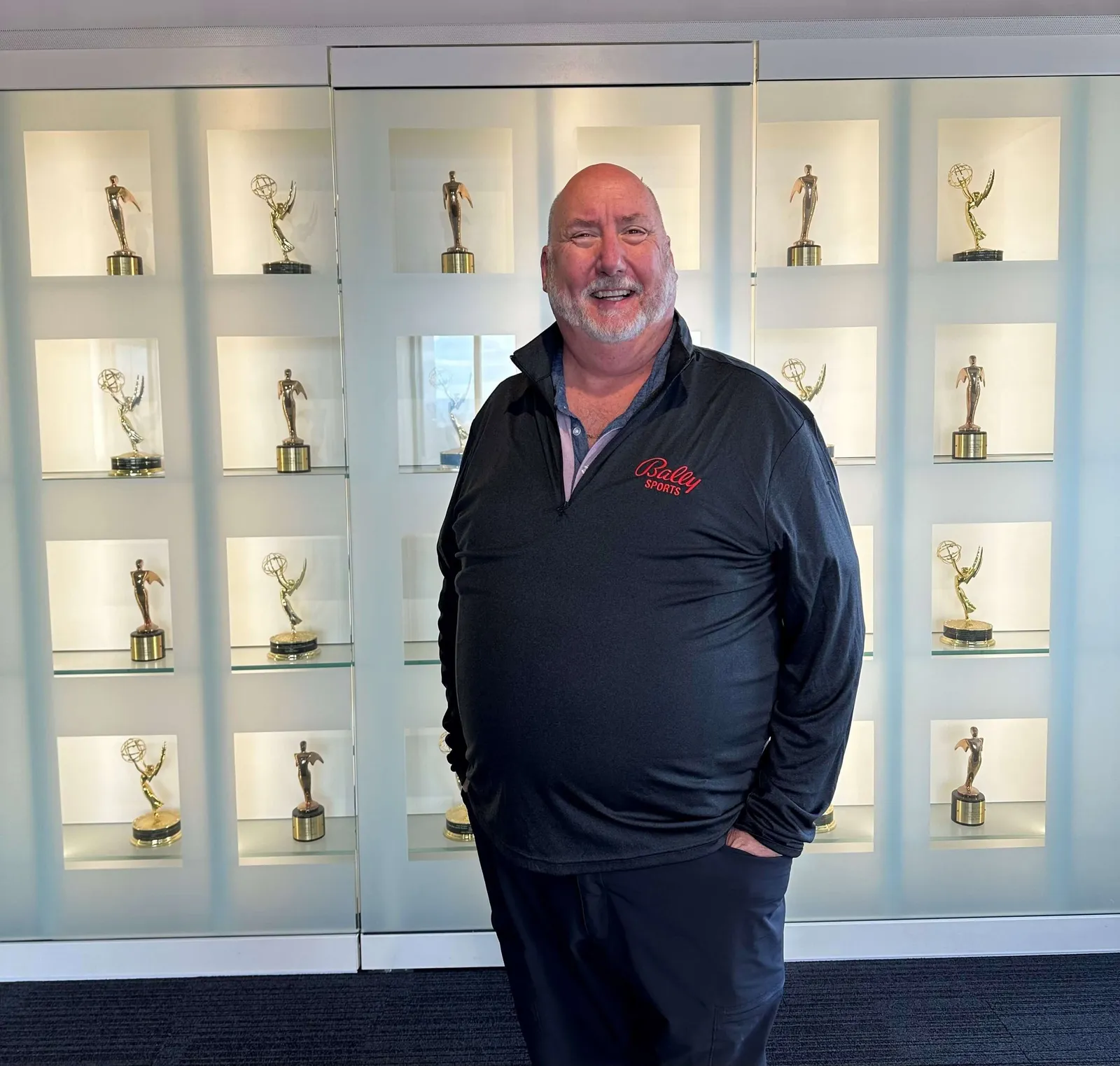
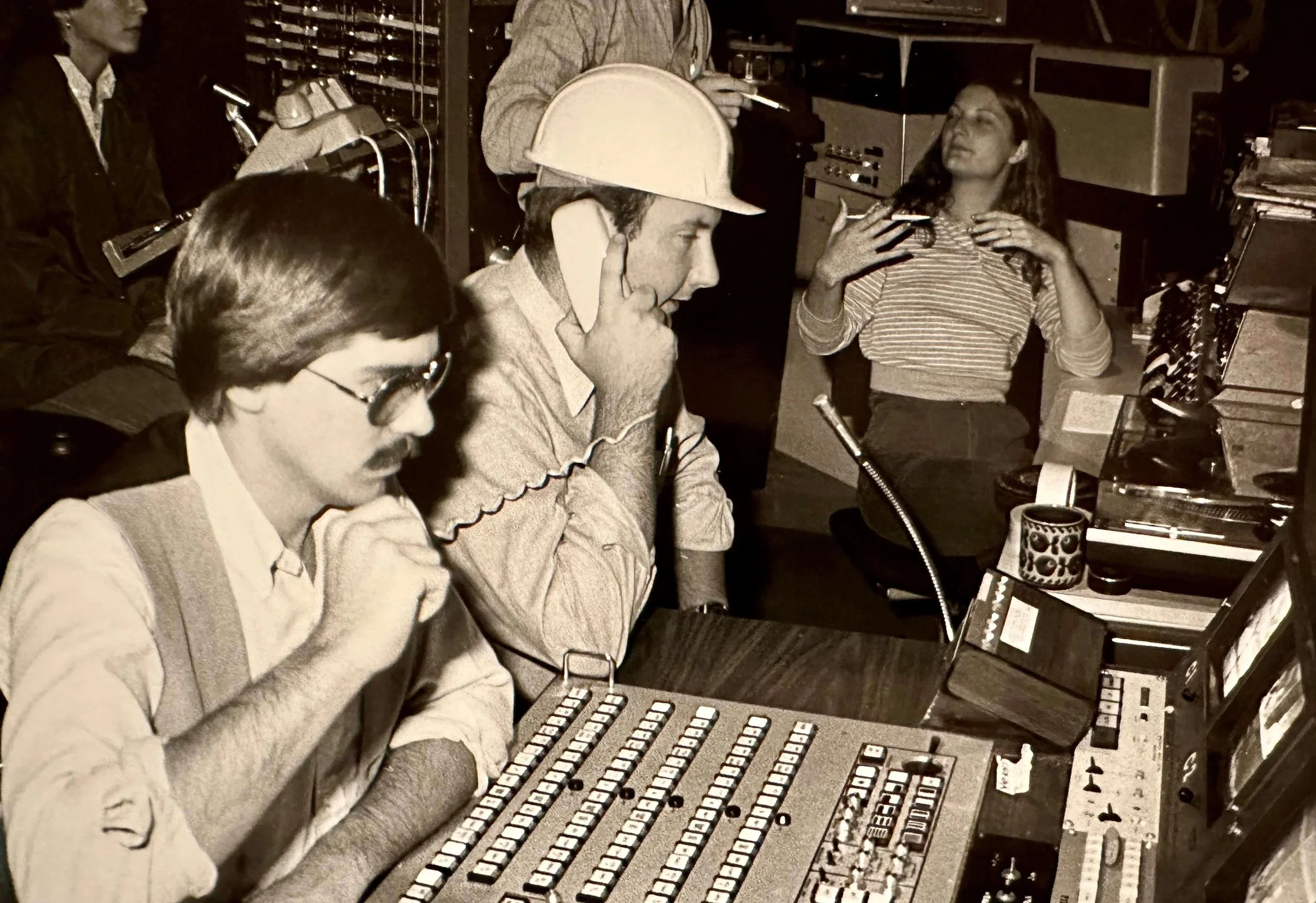
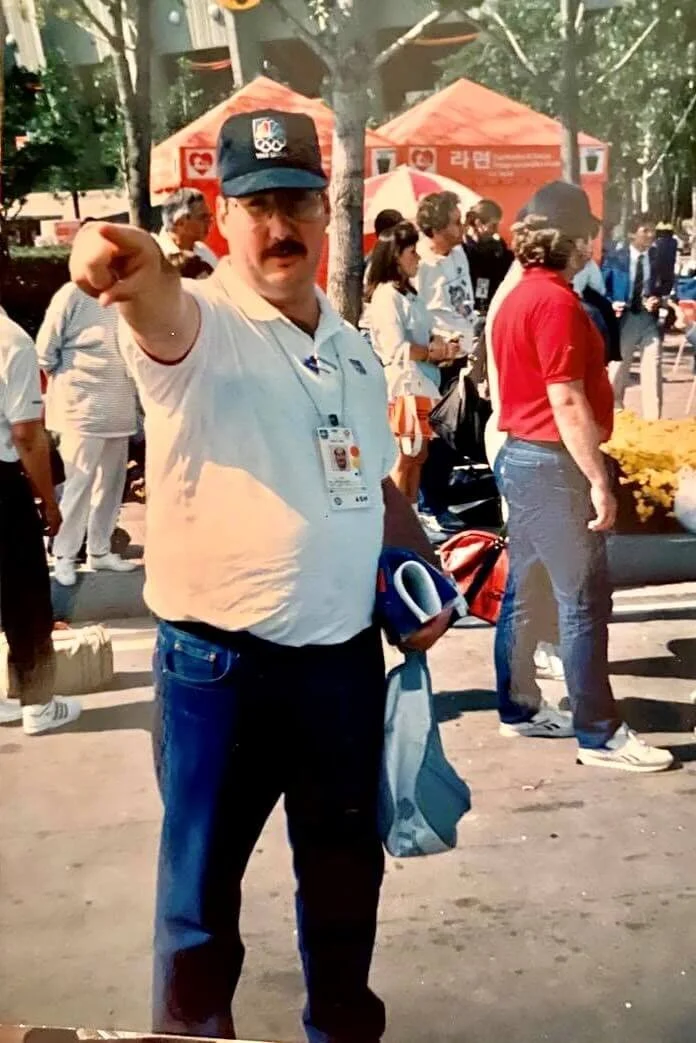
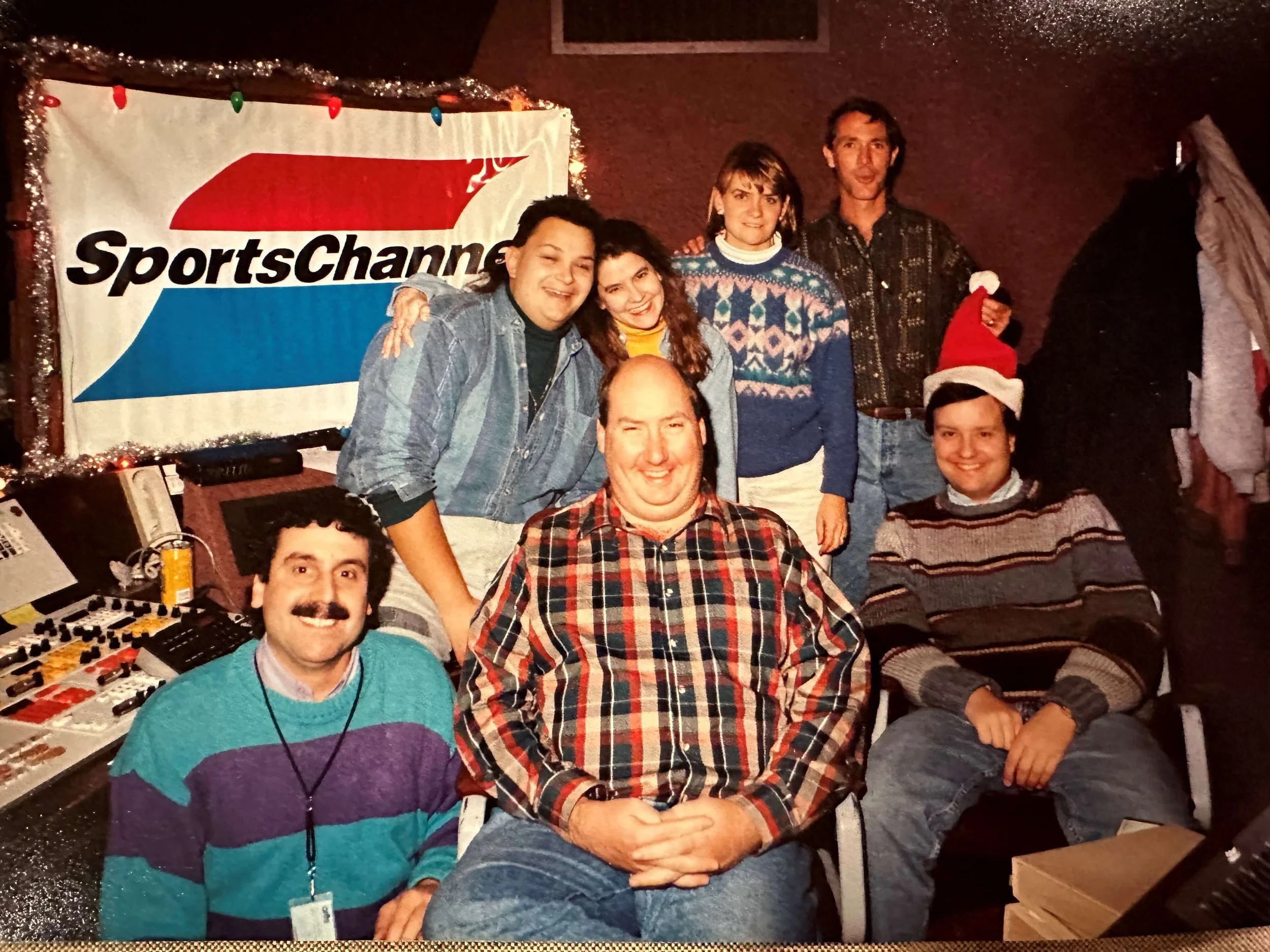
The Obi-Wan of Northeast Ohio media, in front of the hardware that defines a career. Photo Credit: Steve Warren. Used with permission.
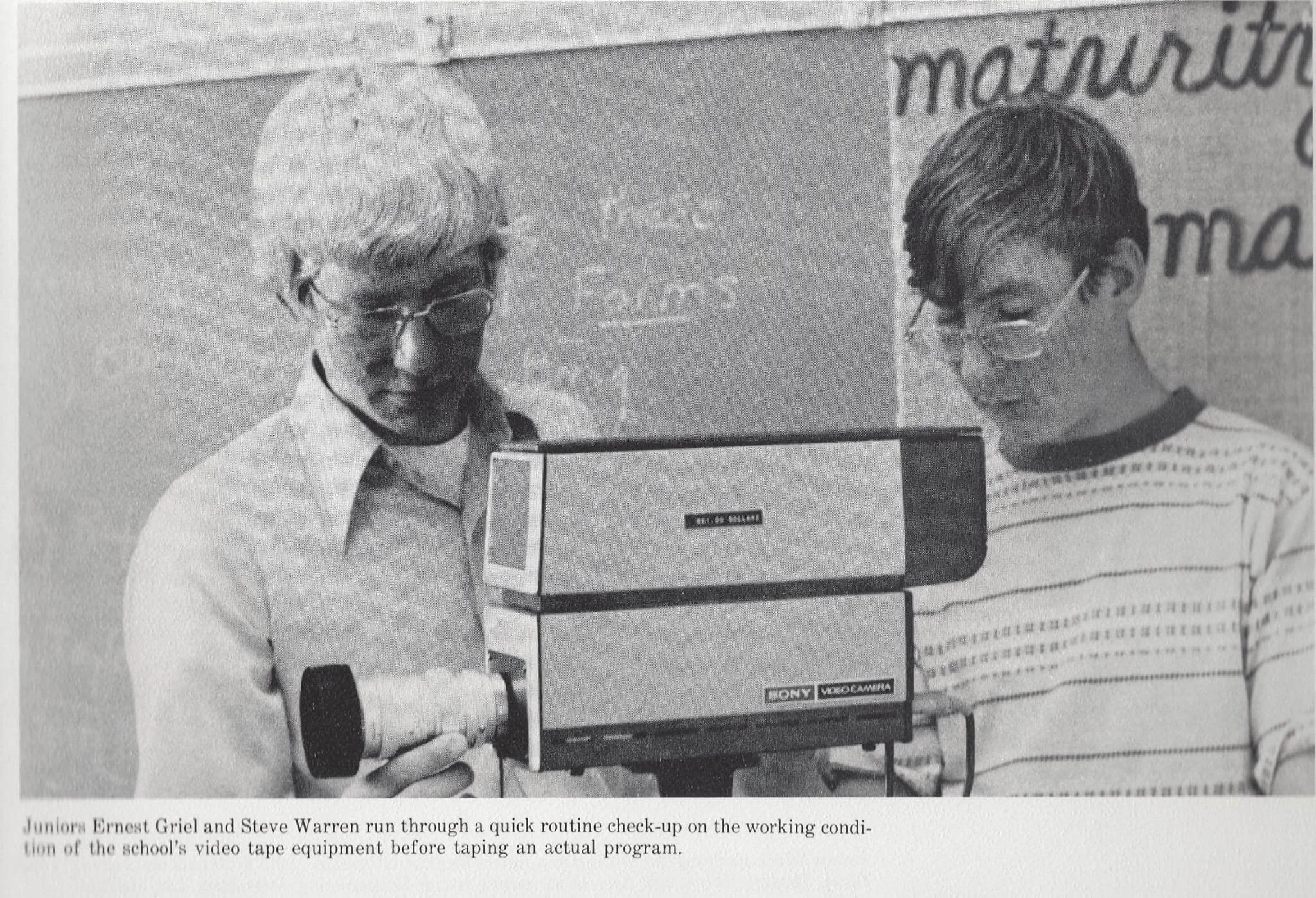
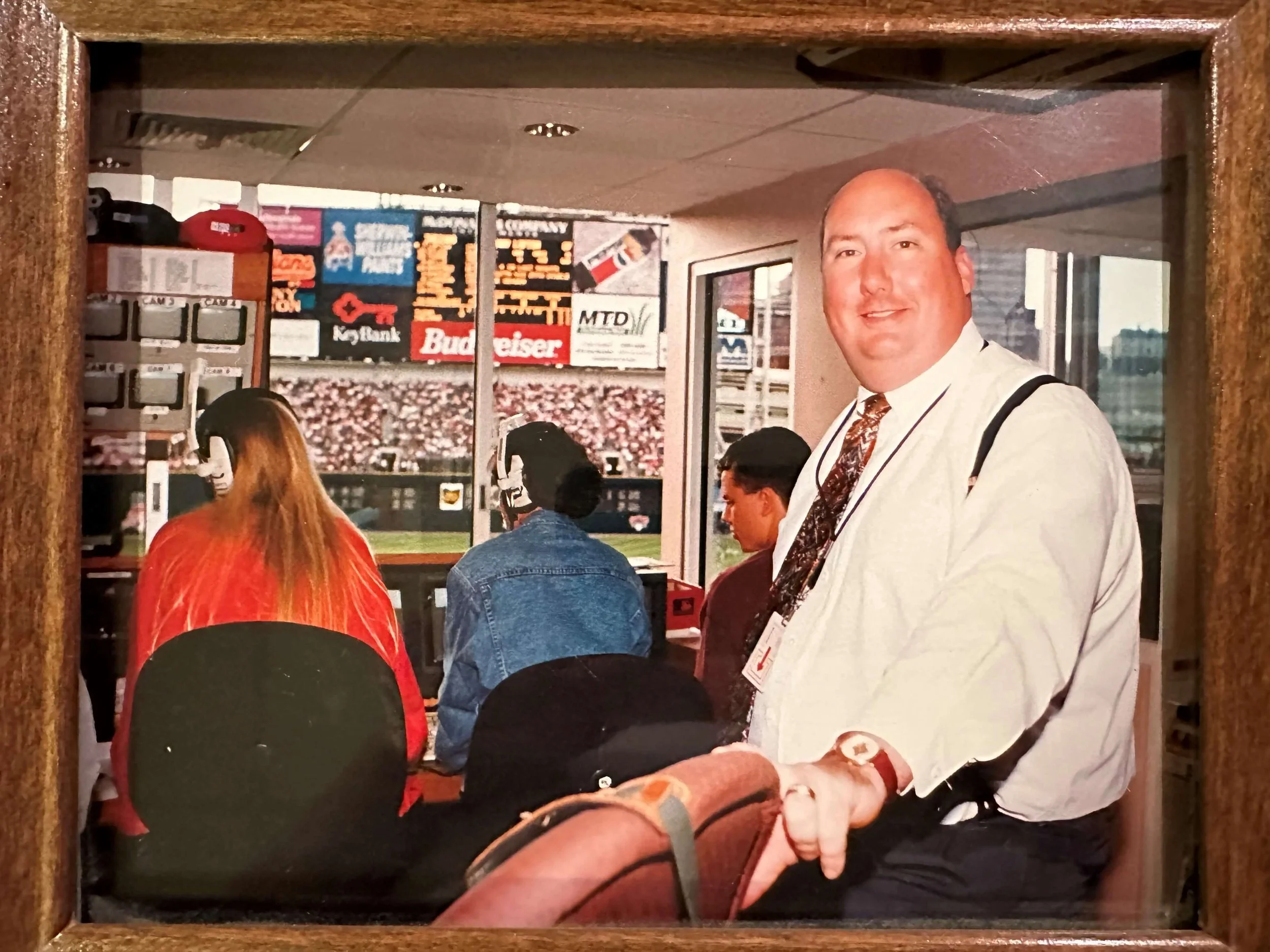
Steve Warren was the OG of video at Hoover High School before there was even a program, and he’s been building broadcast careers in Northeast Ohio ever since. As former Director of Operations at FanDuel Sports Network, he hired hundreds of media professionals and mentored generations of broadcasters including your host.
In this episode Steve traces his path from recording JV basketball games on a half-inch reel-to-reel to running technical operations at one of the biggest regional sports networks in the country, and shares exactly what he looks for when he’s hiring.
Why It Matters
Steve’s advice cuts through everything: work ethic, attitude, and the ability to work with others beat raw talent every time in this business. That’s not a motivational poster line. It’s what thirty years of hiring and working alongside the best in the industry actually taught him. For anyone trying to break into live production, this is the conversation that tells you exactly what matters and what doesn’t.
About This Guest
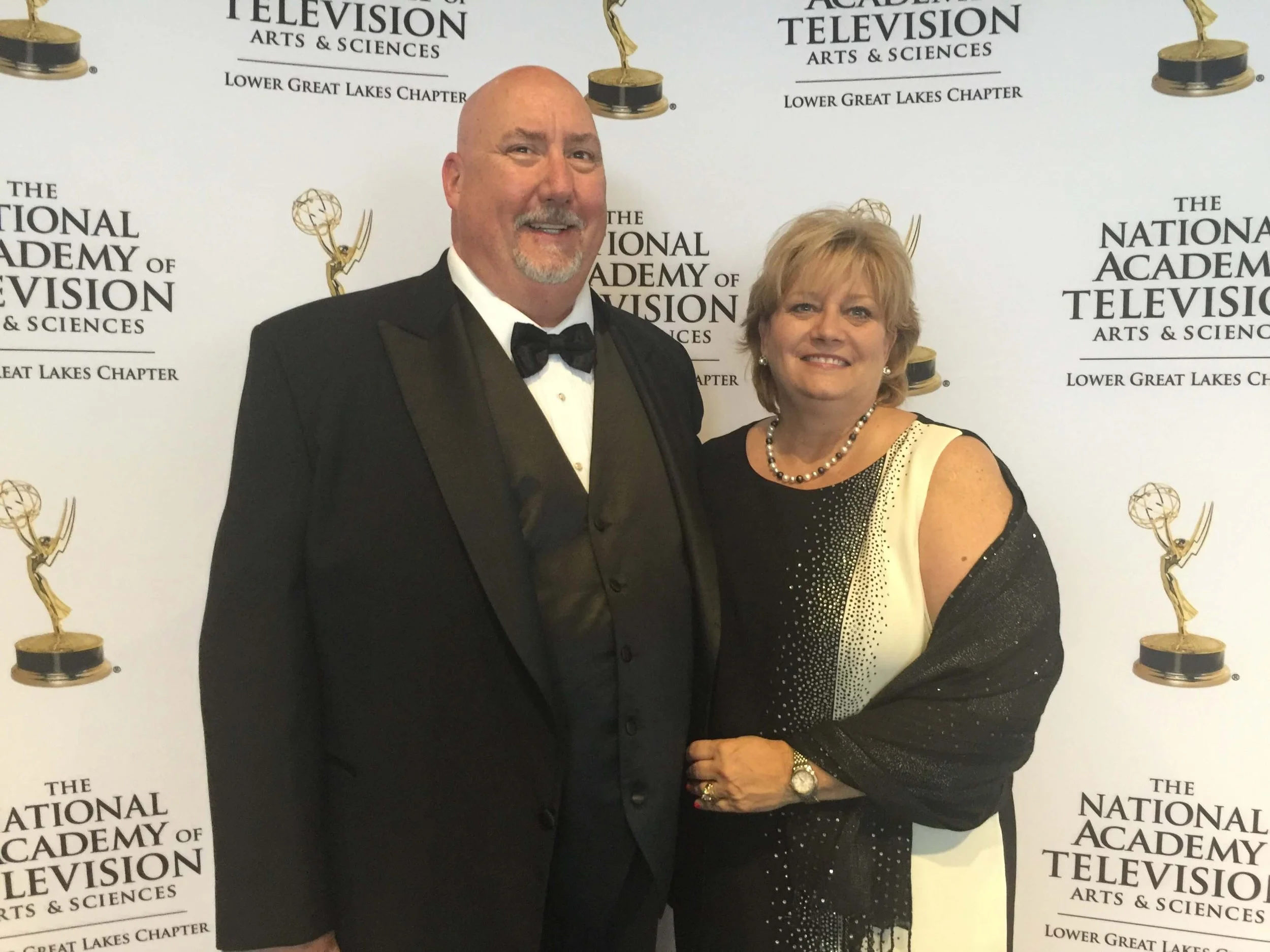
Steve Warren is the retired Director of Operations at FanDuel Sports Network and one of the most connected mentors in Northeast Ohio’s broadcast community, currently available for freelance work. His career started at Hoover High School where he was literally handed a camera and told to figure it out, then wound through small market TV, the Cleveland Indians, and eventually FanDuel Sports Network, where he hired and mentored hundreds of media professionals. He also helped shape the career of Nick Gambone, now Assistant Director of Creative Production for the Cleveland Guardians, through a chance pizza drive-thru conversation that nobody planned but everybody remembers.
Steve’s Bonafides
“
You gotta play all the angles and work all the channels. Be persistent, keep your name in front of people, and when you get the interview, be ready to talk and look them in the eye. It’s still a people business.
”— STEVE WARREN, RETIRED DIRECTOR OF OPERATIONS, FANDUEL SPORTS NETWORKHear This Episode
Watch Here
Episode Timestamps
Your ZoomPod — Exit Ticket
After this episode, you'll know:
- Why persistence and follow-up move your resume to the top of the pile even when nothing’s available
- What hiring managers actually look for in an interview that your technical skills can’t tell them
- How educator referrals and personal connections bypass the HR computer and get you seen
- Why the pizza drive-thru conversation that launched Nick Gambone’s career is a lesson in always being ready
Gear & Affiliate Links
Trick out your kit, and your wardrobe. Both Adorama and SmallRig are having sales right now. Or wear your photography mood, grab a ZWOF set-wear tee shirt. If you use a ZWOF link, we may earn a small commission that doesn’t increase the price of your item.
Explore More
Check out our other great podcast episodes. Link and follow for more great learn-photography content: IG @zoomwithourfeet | FB @ZoomWithOurFeet.
Steve built his career by showing up, making connections, and being ready when opportunity arrived. Same instinct applies every time you pick up a camera.
Stop Shooting From the Stands →TMac 00:06
Hello and welcome to another edition of the Zoom with our feet podcast with me, your host, TMac, a professional photographer, videographer, and teacher. The Zoom Pod is your gateway into the world of creators, offering valuable insights and discussions with experts from photography, broadcast, and cinema. On this episode, one of my mentors, Steve Warren, stops by to talk about his journey from being the OG of video at North Canton’s Hoover High School to his current gig as manager of technical operations at Bally Sports. Let’s talk to a pro. Steve Warren, welcome to the Zoom with our feet podcast. How are you, sir?
Steve 01:12
Oh man, I’m great, Tim. It’s good to see you again.
TMac 01:14
It’s great to see you. I we haven’t seen each other in a while. It’s been a while, yes, sir. Yes. All right. So normally, okay, not normal probably hasn’t have anything to do with it. Typically, I ask everybody what was their first job and what was the first camera that they used, or what was their introduction into the business. So I’m gonna combine that question with you because I know you can tell the patient zero story with our favorite high school video program and how you got started.
Steve 01:54
Sure. I was a student at Hoover High School in North Canton, Ohio. And at the time we had a closed circuit, if you would, radio station where we did the morning announcements and we played music at lunchtime and stuff. And I was a disc jockey there for a couple of years, and then my senior year I was the station manager. And the school went out and they bought a camera. I cannot remember what the model number is, but it looked like a shoebox with a lens on the front of it. It was not very stylish, but they brought it to me and they said, Hey, you run the radio station, you must know how to work this camera. Go do something with it. So, you know, we figured oh the most important thing to do in high schools with video camera was to record the football games for the coaches. So we went to the coaches and we said, Hey, we’re gonna shoot the games for you. And they said, No, we shoot the games on film, we use professional camera operators, you guys go somewhere else. So we’re sitting around playing with this camera, and the band director came up to us and said, you know, you’ve got this camera, nobody, you know, we can’t afford to shoot the band shows on film. That’s not in our budget. Would you guys record the halftime shows of the band for us? Heck yeah, gave us purpose. So we did that. We went out and we recorded the band shows at halftime, and then same thing happened with JV basketball. You know, the varsity team was being recorded on film, but they had no way to record the JV games, couldn’t afford it. So we got that gig, and that’s how I got started in television recording. It was an old, it was a I’m this the camera was a Sony, the recorder was a Sony, it was a half-inch reel to reel. You’ll find it in a museum near you. But and I think the tapes would hold maybe 20 minutes of content total. So we were very judicious stopping down between you know, we could get the whole band show on there, but for the JV basketball games we had to stop down during timeouts and stuff so that we could get a whole half on one reel. Got us into a little bit of trouble. I had a partner who was helping me, Rex Sunkefer, and he was not so much a TV guy, but he’s very technical, and he helped us figure out a way to rig a second camera into the system. The school only had one. We borrowed somebody’s dad’s VHS camera, and we were able to rig it into the auxiliary input. And the recorder also had a TV tuner built into it so you could record programs off air, and everything was on a big knife switch. It was chunk camera one, chunk auxiliary input, chunk TV tuner. And so during timeouts, Rex being the nerd that he was and still is, would be watching Star Trek. And so there were more than one occasion where the switch didn’t get thrown back to camera in time for recording basketball, and the coaches would get a little sampling of Captain James T. Kirk and the exploits of the Enterprise. But that was the beginning. That was my first TV job. I considered it a job because the band director compensated us by he was a private pilot. He flew us down to the Carroll County Airport for pieces of pie and a burger. So that was our compensation for recording the band shows. So my first professional TV job. Circle of life, first time in an airplane? Not the first time in an airplane, but the first time in a private plane.
Steve 06:01
Yeah.
Steve 06:03
My first time in an airplane, I was six months old. My I was born in Denver, Colorado, and my mom was teaching out there, and my dad was a grad student there, and they met, got married, had me, and then six months after I was born, they decided to move back to western New York, and so they threw me in the luggage, overhead luggage, or wherever you put babies back in the time, and we flew back to New York.
TMac 06:33
So the so the TV gig, you were basically learning on the job. Is that did you essentially teach yourself?
Steve 06:44
We did. There was there was no program at the school at that time. So it was I’m pretty glib about it, but it was kind of here, here’s the camera, kid, go figure out how to work it. You know, it had a small user’s manual, but there was no program, there were no A V teachers, there was nothing in the school at that point. I mean, the advisor for the radio station was the drama teacher, so it was not a radio TV person, so it was you know, kind of you’re on your own. So we figured it out.
TMac 07:27
Self-taught framing composition. You had a you had a nerd, always a must, right?
Steve 07:34
Had a nerd. You know, fortunately I come from a family that loves sports, so I’d seen sports on TV. I knew basically how to frame a shot, and it went from there.
TMac 07:48
Do you think that set the did that set the hook for wanting to be in media and production?
Steve 07:58
Maybe, but it was deeply recessed. I was going to be a chemistry teacher when I graduated from high school. That was my goal, my dream was to be a chemistry teacher. Being the oldest of five kids, my dad was looking for a way to maybe supplement the cost of college. So we met with the local Navy recruiter, and he said, you know, if you get into a school that has Navy ROTC, we might be able to, you know, work you after a year or two into an ROTC scholarship. And my dad said, That sounds great. And I said, What kind of chemistry teachers does the Navy use? And the Navy said, We use chemical engineers, so it’s almost like being a chemistry teacher, but you’re gonna be a chemical engineer, and then we will slide you into our nuclear program. So I went to school to be a chemical engineer. The chemistry part I loved because I was gonna be a chemistry teacher. Engineering part, not so much. That didn’t work out too well. I was pondering my future, and I ran into a classmate from Hoover who was attending the University of Akron, and he said, Are you still messing around in radio? And I said, Not really, but you know, who knows? He goes, Well, the University of Akron, and this was a bazillion years ago, so it’s not new anymore, but they said the University of Akron has just built a new state-of-the-art facility for students. You got to go check it out. And I did, and it was awesome. I transferred to Akron. I got a job at the student radio station there, and was the sports director. I was doing play-by-play. It was a real radio station, it wasn’t closed circuit, it wasn’t the one that was going to the dorms. This was the over-the-air station. I worked as a disc jockey on the weekends playing rock and roll music. This is it, man. I’m gonna be a rock and roll DJ. I’m ready to go. And then I took a TV class. And once I went over to the dark side, I never went back. It was awesome. I love TV. I was in you know, one of those right places at the right time situations. The TV center at the university was looking for someone to produce and direct sports. None of their staff guys wanted to do it. Oh no, I’ve got a I’ve got a ballet I gotta do in three months. I have to prep for that. Oh man, I got the symphony next year. You know, I’ve got a gotta work on my score. Next year. So yeah, I mean, it was literally that. And the director of the department came to a couple of the more advanced students and said, Hey, I can’t get anybody to direct sports. Who wants to do it? And so I was in they had a small mobile unit with you know four cameras, one replay machine, graphics and everything. And as a as a junior in college, I was directing sports that was going out over the air, and it was awesome. So and then that led to a job at the old Richfield Coliseum working on Cavs games and Indian spaceball. And I’ve been goofing off in TV. I haven’t worked a day in my life for 40 years, so it’s been great.
TMac 11:30
You one of the reasons I wanted to talk to you, there are many, but one of the reasons is all of the just the width of the different things that you’ve done in your career. You just mentioned directing, you’ve also produced. You’ve what else?
Steve 11:50
Give me some other one of the first jobs I had when I got out of college was as a camera operator, and the first game it was football season. It was great. I loved it out there with the crowd, having a great time. The next week it was snowing and sleeting, and that was my last day as a camera operator. The week after that, the crewer said, we’re short of replay operator. Do any of you guys know how to run replay? Yes, I do. Never done it before in my life, but I was had a chance to get into the truck and out of the weather, and I became a replay operator, and I did that for a few years, and then they again they were looking for technical directors. Anybody want to be a TD? Well, I’d messed around with the switcher a little bit and I said, yeah, sure, I can TD. And I more on-the-job training. I taught myself how to TD and sitting there in the TD’s chair, next to some directors, some good, some not so good. I thought I can do that, and I can do that better. So as part of my training for that, I told myself, if I’m gonna do this, I want to be able to know what every position in the truck does so that nobody can buffalo me, and also to have the experience and be aware of what each piece of equipment does, so I can say, you know, yes, you can do that, or don’t be an idiot and ask somebody to do something they can’t do. So I got myself on some gigs as an audio guy, loved mixing shows, did not like setting up shows, those guys work way too hard. And I did graphics. There’s no spell check in TV graphics, I was not so good at that, and plus at the time I was not a great typer. I mean, we all type now because we’re all on computers and stuff, but at the time I had call or high school typing 15 years ago, and it was not so good, but I did it just to say that I’ve done it. So I’ve done everything, every technical position in truck, shaded cameras. I’ve I’ve done it all because I wanted to learn it before I got into directing, and then I started directing and really loved that. That was my passion. A couple of times I was asked to do some producing, that started leaning towards work, so you know I shied away from that because producers have to think and plan. And I had a chance to produce Cleveland Indians baseball and be on the road with the team for a few years and stuff, and that was fun, loved doing it, but I really enjoyed directing and eventually got promoted out of that into management positions.
TMac 15:02
Somewhere in the 90s, I don’t know when exactly, but I we came, I had gone through the station route as a writer-producer, but I’ve been a photographer all my life and I wanted to be a camera operator because I don’t know enough to come in out of the rain. See, that’s what separates future directors from career camera operators. I we crossed paths when you were directing Mac stuff, which I recall it to be in the 90s. Wasn’t that true? Yep. And I was living in Columbus and I got I think I it was Athens and I came and they said, Yeah, and I, you know, all the camera guys, I said, How’s the director? And they said, Oh, you’re gonna love him. He’s he’s great. And up to that point, maybe I had just had a bad run of folks that didn’t do the gig very well, but you were like, Holy crap, you were cracking jokes and you were keeping it keeping it light. And I re to this day I still remember, and I was very early. It was one of those things where have you done yes, and I hadn’t done a lot, but I distinctly remember your style being very camera friendly, and ultimately I came to understand that’s why your shows were so good.
Steve 16:39
Well, thanks. That was i intentional. I mean it’s my personality and my nature to begin with, but it was intentional. I’d worked with some directors who were not that way, you know. They yelled, they screamed, they blamed any mistake on everybody but themselves. And you know, especially if you have a inexperienced technician, camera operator, tape person, if they make a mistake, yelling at them is not gonna make it any better. You know, as long as the person is trying their best, that’s all I ask out of anybody. And you know, you work with them. You know, everything can be a teaching experience, and it’s great. I always ask people who are recruiting the shows for me, hey, if we’ve got somebody with less experience, that’s not a problem. Just let me know so I can work with them on the show and make it make it better for everybody. Because yelling at people doesn’t really help.
TMac 17:52
No. And at the other end, why would I want to do anything extra for you? Right, exactly. Which is funny because then as my career started to circle around, I’m now, you know, for the last 20 years, I’ve been dealing with students and doing that sort of thing, and at very low levels directing students. You have to speak a lot more words when you’re directing, but it is so much more rewarding to watch them be nervous at the beginning, and then by the end of it, they’re they’re doing everything that they that they should be doing as a camera operator.
Steve 18:35
That to me is real directing because you have to direct each camera operator, you have to direct everybody. I mean, you are directing a lot a lot of times. We talk to our professional sports directors and tell them that they’re not directing, they’re shot selecting, because they’ve got great camera operators who’ve been doing this for many, many years, and they will they will go get the shot. And our directors aren’t directing, they’re just picking a shot that’s already there for them, which most of the time is good, but every once in a while you still have to direct and you have to tell somebody what to do. But when you’re dealing with students or inexperienced operators, that’s when you really get a chance to direct. And yeah, you’re a little more tired at the end of the show because you had the work, you can’t sit there and tell jokes the whole time. You actually have to think about what’s coming up, you have to direct this person into their next shot and say, hey, if this situation happens down the road, this is what you got to be ready to do. And so it’s it’s real directing, and that’s that’s fun for me.
TMac 19:44
And then the next period in the career was the transition to management level work. Talk about talk about that.
Steve 19:57
So you were a truck person, I was a truck rat most of my career, you know. And even as a producer and director, living in the truck, loving life in the truck, and then they said, We need a coordinating producer. Would you mind coming out of the truck and being the coordinating producer, supervising the producers and the directors, working with them? And I definitely missed being on the road. I’m fortunate in that I my wife is very understanding of about the travel, she has experience in the business as well, so she knows about it. We do not have children, so it the travel was easier for me than a family guy that’s missing t-ball games and first steps and proms and stuff like that. I don’t know how guys like you who travel all the time in your career were able to do that. You know, that it’s it’s a tough road. But so I was not overly sad about getting out of the truck, you know, after being in after traveling for so many years, a chance to stay home and have a almost normal life. Is I mean I still work, we’ve got a game, we’ve got two games going right now, so I’m technically working here at 1018 at night. So it’s but yeah, I had a chance to do that. And then when our company was purchased, the company whose shirt you are currently wearing, Sports Time Ohio, was purchased by Fox Sports. I had an opportunity to be I was asked to become the director of operations for the Ohio, all the Fox products in Ohio. And so I Moved into that and oversee all the technical aspects now, where the trucks are, when the trucks are, who the crews are, when the crews get there, transmission, studios, engineering, all of that stuff. So it was it was different, but I love it.
TMac 22:19
Yeah. And I want to delve into just because I know the story, I want you to tell the story of the I guess innovation is the right word that you were a part of, that the Indians did. So the traditional way of producing baseball, trucks come, crews come, games happen. In my days there was a home crew and there were a visiting crews, and then on those days when the networks that covered baseball, so on certain days, there might have been three whole crews shooting a baseball game and it was all generated out of the stadium. Cleveland during your time got the bright idea of changing that what do I want to call it, production paradigm when it w it was shortly after Jacobs Field was commissioned and built, correct?
Steve 23:35
So talk about 2006.
TMac 23:38
So 2006. So talk about how that came about and ultimately what it ended up being, because personally, knowing how it happened and what happened, that was just way beyond its years.
Steve 23:54
Yeah, it was it was pretty exciting, and it was one of those what the heck did we get ourselves into at the time. But the it started with the advent of Sports Time Ohio. Fox had been the rights holder for the Indians, and there was a riff that happened between Fox and the Indians that I wasn’t privy to. I don’t know why, but the Indians decided we’re gonna start our own regional sports network called Sports Time Ohio. At the time I was working for the Indians, managing their broadcasting operations, and they said, Steve, we’re starting a new network. We want you to move across the hall and be part of the network. So once again, I was patient zero. There was actually Cleveland legend Pat Murray was actually hired first, but he had obligations with other teams, so he while he was hired, I was the first person to be boots on the ground, I guess, for to get the network up and running. But there it was a partnership between the Indians, WKYC in Cleveland, and Time Warner, and WKYC their function was to provide the technical part and the production part, and so they built a control room that was connected to at that time Jacobs Field with fiber optic cable, and everything we did was done remotely from the studio at channel three, and it was a unique process at the time to the point when Fox came back and kicked the door in and backed up the Brinks truck and bought the network back from the Dolan family, they looked at the model and said, this might be something to look into for the future. And it worked really well for us. The big drawback was our producer was not there where he could, you know, hop on the elevator, go up into the press box and meet with his announcers. He would have to go to the park if he wanted to do that or do the meeting remotely. But the truck guys loved it because they didn’t have to deal with ballpark traffic and they were not parked next to the dumpster like you normally are when you’re in the TV truck, and we were in this gorgeous, spacious facility. We weren’t crammed into a truck in a gorgeous facility at KYC’s state-of-the-art studios in downtown Cleveland, and it worked really well for the time that we did it.
TMac 26:46
It was so far ahead of its time because in the year 20, whenever the last Olympics was, and starting the last few Olympic games, NBC did exactly that model. They have control rooms in Stanford, Connecticut and announcers that aren’t at the venues. They’re watching monitors next to the control room because the director and a producer are there. It is fiber optic to wherever in the world, and then there’s camera monkeys and the tech side at the venue. And but the Indians were doing that in the 90s.
Steve 27:42
I mean, yeah, and the networks, like you said, the Olympics had been done that way for a while, but you know, those are big money shows and you know high-tech shows. We were the first regional sports network to try anything like that. We were the first full-time high-definition regional sports network, and that was a big thing for us to be that. And it was it was cutting edge at the time, and it was exciting times. Our engineers used to love, you know, a lot of people know about fiber optic cable now, but back at that point people didn’t really know what it is, and our engineers would love when people came in to take tours of the facility, they’d pull out a strand of glass and say, All the cameras over at the ballpark, they’re coming up on they’re coming back on this, and you know, it’s a piece of glass, the width of your hair. Or I don’t have hair, but the width of some people’s hair, and you know, it was just mind-boggling the technology.
TMac 28:50
So it was fun. So as the technical manager, you are what making sure was all of that fiber already run? Was it run for that?
Steve 29:05
It was it was run for that, it was run for that.
TMac 29:08
It was installed for that, and it’s got to be terminated at both ends, right? Converted back into copper because the building is already wired, right? For what we our standard was tri-ax cable. So there’s boxes all over Progressive then Jacobs Field at all of those positions. So when we monkeys took gear out to those boxes or places or the chair up on the level, we’re just plugging into the building.
Steve 29:39
Yeah. We had a horse trailer that was parked in the service area at the ballpark, and that’s where all the conversion was done. And you know, the cameras would come back, go from the copper, get converted into light, and then sent to the control room.
TMac 30:01
It’s just crazy. And all the audio, which was enormous on it in its own right. And it was it was just ahead of its time. And you were and you were managing that.
Steve 30:18
Well, at that point I was still producing, so you were producing. I don’t get to take credit for the technical aspect of that. Got it. I got to I get to take a little bit of credit for pushing the boundaries of what it could do because they’re like, all right, we’ve got this. I’m like, all right, can I do this? I don’t know, we didn’t think about that. So you know, but no, I can’t take credit for the technical part of that.
TMac 30:44
How many how many different sports have you produced or directed?
Steve 30:54
Let’s see. The big the big four baseball, basketball, hockey, football, soccer, rugby, equestrian, track and field. A lot like baseball but different. Boxing.
TMac 31:31
You love them all. But what’s your favorite? What’s your favorite? What sport do you like to direct?
Steve 31:40
I like there’s two that are really big for me. One is baseball, because you never know where the ball’s going in baseball. Basketball, it’s going up and down the court. You got a pretty good idea where it’s going. Baseball, no idea where the ball is gonna go when it’s been hit. And that comes with its own challenges. You get to do some real directing in baseball. That’s a lot of fun. But for me, the other one is the game day experience. Oh, I’ve done golf. I forgot about golf. The game day experience of college football. Being on a college campus on a Saturday afternoon with the tailgators, the marching bands, there’s just something really cool about the college football experience. So it’s somewhere between baseball and college football.
TMac 32:41
All right, so what is what is the most rewarding thing that you feel like the career has brought you?
Steve 33:00
First of all, it’s just I feel very, very lucky. I mentioned earlier that I haven’t worked a day in my life, and there’s a couple tough days each year, but overall, I watch sports on TV and they mail me a check. It’s I’m very lucky, and I feel very blessed to have stumbled into this. I mean, again, I was this was not the career path that I personally had chosen, and it just worked out and it’s been great. So I like that. I the per particularly in our area, the regional sports area, it’s a really small fraternity. And in television and sports television in general, I mean, you know, we were talking before we started recording about mutual friends that who knew that we knew each other, but you know, I get to work with some really cool people. We’ve worked together for years, watching new young people come in and get it. You know, they start out, you know. I’m sure I was the same way when I started. I knew everything the first day I started, and you know, eventually after getting slapped around a little bit, I got it. And watching people figure it out and get it and become superstars at what they do is really cool and really rewarding. And you know, I’m just it’s it’s all of that.
TMac 34:51
Well, I know this has happened to you because I know from personal experience, because you’ve helped my career along, but and since I’ve moved on to education, I get asked all the time by students about what they can do if they want a career in media production, broadcasting, sports. So let me end with give me three things well and plus you’ve interviewed four interns and people for work in your various jobs, so I think more than most of my guests, you are well qualified to answer the following, which is what three things do you tell aspiring media peeps that they need to have or know to make a go of this crazy business?
Steve 36:03
I think number one is to be diverse. You don’t want to be Steve Warren who comes out of school and says he’s gonna be a camera operator. You know, you want to have your eyes open to whatever opportunities are there if you have a chance somewhere along your education to learn multiple facets producing, directing, running audio, being a camera operator. Get as much experience as you can because you never know what you’re gonna stumble into. We have a situation where we work where we had a person come out of school, they fell in love with one piece of equipment, they learned it, they’re really good at it. But we warned them you might want to learn something else because you know this is a technological business, this might not be around forever. And sure enough, last year the company that made it has stopped supporting it. Our company is not going out and buying the new latest and greatest of what is next in that line. This person now is a man without an island, so he’s gone back to square one, he’s retraining and learning some other things. We’ll keep him busy, but he could have learned that other stuff at the time and just slid right over and gone. So you want to get as much experience as you can. And to that, the second point would be kick some doors down, you know, get your foot in the door wherever you can. Yeah, we all want to start out shooting the Olympics and shooting the Super Bowl, but it doesn’t work that way, you know. If the local cable company needs someone to pull cable for Friday night high school football, take it. Because three weeks from now, their sideline camera operator is gonna be sick and they’re gonna need somebody. Hey, Steve, do you know how to do this? Heck yeah, you do. And now you’re the sideline camera operator, and then you work your way up from there. So you know, wherever you can get the experience, get the experience. Yeah, it’s you know, it’s probably not what you envisioned when you started, but there’s a lot of places to do it. Every minor league team in every sport has in-house services. I mean, the scoreboard shows have gotten huge now. They’re multi-camera, they’re state-of-the-art equipment. You know, don’t look down your nose at a double-A baseball team who wants to hire you. And yeah, you’re gonna work in the concession stand two days a week, and two days a week you’re gonna work in the scoreboard room. It happens, but that’s how you get your foot in the door.
TMac 38:59
So that’s that’s free food and free experience. Well, yeah, like what’s wrong with that?
Steve 39:08
And the last key thing I would say is be persistent. As someone who does some hiring, you know, you call me today, and I may not have anything available. And I’m gonna tell you, yeah, I’m gonna keep your name on file. And I’m not lying to you. I am gonna keep your name on file. But if you call me back in a month and say, hey Steve, anything opened up yet? I’m gonna pull your resume to the top and say, Oh, Tim, yeah, he’s okay. I don’t have anything yet, Tim, but now your resume’s back on the top of the pile because I want to see what you’re doing. So, you know, it’s a fine line. You don’t want to be the guy that or gal that is getting everybody all bent out of shape and say, Oh, Tim, this guy calls me four times a day. We’re not calling him, but yeah, be persistent, keep after people. You know, most people like myself are not going to be offended that you’re you know you’re you’re just following up. You know, maybe this week it’s a call, maybe three weeks from now it’s an email, whatever, but you know, just keep your name in front of people. And it helps because a lot of companies, ours is one of them, when you apply, you don’t get to talk to me at first. You know, we post a job, it goes into some HR computer thing and they screen people out, and I get to see maybe what the computer thinks are the top 10 candidates. So use your connections, use your resources, because if somebody, if Tim McCarty calls me and says, Hey Steve, I got this guy. You know, I got a guy. I got a guy. If he’s not if you don’t have anything now, you know, think about it when his name shows up on the computer. And so it’s you know, you gotta you gotta play all the angles and work all the channels. Interviewing is important. I still before I hire anybody, I do an in-person interview, and I can’t tell you the number, it’s yeah, you gotta have the eye contact. I get a lot of people. We live in a society where everybody stares at their phone all day long, and I’ll get people who come in and they can’t look at me, they can’t talk to me because they that’s they’re not used to that. So if you’re gonna do an interview, be prepared to talk to the person and look them in the eye, you know. Don’t be staring at your phone, even if you don’t have your phone, don’t be staring down. You know, it’s just it’s still a person business. So I feel that I have been very successful in reading people. I get to know about people pretty well in the interview. You know, your technical skills, no, I’m gonna have to watch you work to get those, but to get to know you as a person. And I think after 40 years of doing this, I’ve got a pretty good pretty good radar for that type of stuff. So when you come in to talk to me or any hiring manager, be prepared and you know ready to talk and ready to dazzle people.
TMac 42:40
I used to tell students, you know, it’s funny you mentioned that follow-up. I used to tell students that when you do something, in our case for the Hoover Video Production Program, if you direct live shows or you’re mixing a live newscast. Yes, it’s recorded, but it’s recorded live. Dude, you’re you’re mixing live. Yeah. That’s a good opportunity within that month that you were talking about to email them and said, Hey, Mr. Warren, it was really cool. I got to live mix a show. I really like it. I think I’m I’m kinda leaning towards audio. Please let me know when one of the A2 kind of you know jobs comes available. I think I would, you know, I would love to give it to try. And you’d be surprised that people go, Oh, yeah, that’s f number one, you’ve got experience. Right. And number two, you’ve got interest.
Steve 43:48
I get a lot of recommendations for crew from our producers that are going out and doing other shows and from educators like yourself. You know, they’re working with students, and they’re like, All right, there’s this kid. You know, he just mixed this. I just did a ESPN 3 game at Kent State, nobody watched it, nobody cared. But this kid mixed a hell of a show, and it’s like, yeah, give me his name, and likewise with you and the other educators that I’m working with, it’s like yeah, if you guys see somebody with talent, they’re gonna move to the head of the line because you spend hours and hours and hours with them, and you know their potential and their qualifications, and that counts. So yeah.
TMac 44:44
I’m gonna end with a name drop of one of my Hoover students from my very first year teaching, and I distinctly remember emailing you saying, Oh, have I got a hot shot for you? The young man’s name is Nick Gambone, who as I recall, you were in that transition period, and he ends up getting a job up there, and he is now in your former position.
Steve 45:16
He is. I just ran in him, ran into Nick the other day at the ballpark, and it was great to see him, and he has really been successful there. He’s doing a great job, he’s making some crazy great, crazy video stuff there, and doing a great job with his team up there. And it was, you know, you had mentioned Nick to me and he when he was in college after he had left Hoover and he was in college, and I love to tell the story and embellish it a little bit. But I was picking up a pizza one day and I pulled up to the drive-thru window and pizza for Warren, and guy says, Are you Steve Warren from at the time I was still with the Cleveland Indians? I said, Yeah, he goes, Hey, I’m Nick Gambone from Hoover. I was in McCarty’s class, and you know, I just went, I believe he went to Kent State, right? And you know, I and this is what I’ve been doing and stuff like that. So I like to embellish that and tell people when I got home I had a copy of Nick’s resume on top of my pizza in the box. That part isn’t true, but I always tell people that. But you know, he it was great, and you know, we brought Nick on at that point as an intern, and now he’s running the joint, so yeah, it’s you know, you never know when you’re gonna have a chance to stick your foot in the door and then kick the door open.
TMac 46:54
Well, and I use Nick, I use Nick for years afterwards saying that it’s it’s about your attitude and your network and how you build that network and how you let people help you. This is not something you do by yourself, nor is the work solo either. And was able to say, look, Nick was able to, yes, he worked hard while he was here, but he got a lot of experience and he was willing to take direction and he was will and he understood the value of you know contacts that both his teachers had and to lever it and to leverage those. And I always remember the giving Nick the speech. Okay, here’s here’s the deal, sir. He knows me. Right? He’s I’m not so sure about you yet. So you are representing us this program, and you know, listen to what he says, be open, and be ready for what’s gonna happen. Because if something goes south, he’s not gonna call you. He’s gonna call me. Nothing like a little fear that’s right in the equation. Steve Warren, I can’t thank you enough for being a part of the project. You are uniquely qualified given your crazy career still going strong and helping out so many people along the way, me included, as a very young. I had hair then, I think. I think we all did back then. Steve, keep doing what you’re doing, man. I really appreciate it.
Steve 49:03
Thank you so much, Tim. I appreciate you.
TMac 49:11
Many thanks to Media Production OG Steve Warren, manager of technical operations at Bally Sports Network. The Zoom with Our Feet Podcast is a production of TV Commando Media. The Zoom Pod theme is by November’s and their funky groove Cloud 10. Until next time, be ready, creators, for the challenges on your journey.
More From Steve