Mike Langish — Manual Mode, the Exposure Triangle & Mastering Sports Photography
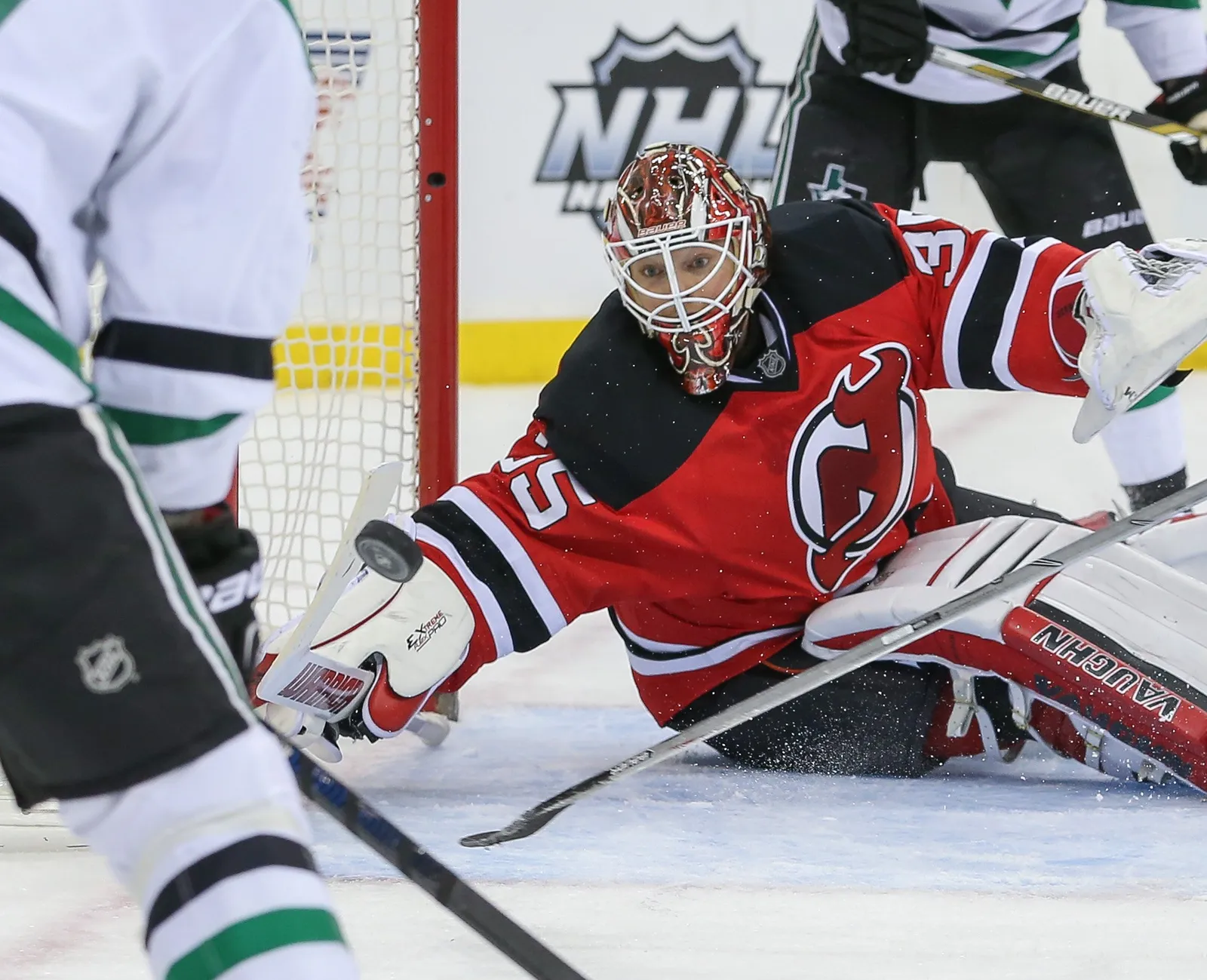
It’s always the eyes. NJ Devils goalie tracking the puck at the blocker. Photo Credit: Mike Langish Photography. Used with permission.
Mike Langish treats his camera the way a musician treats an instrument. The New Jersey-based sports photographer has built a career on one principle: know your gear so well it disappears and the story takes over.
In this episode Mike breaks down why manual mode isn’t optional if you’re serious, how the exposure triangle works in practice, and what separates photographers who grow from the ones who plateau.
Why It Matters
Most beginners treat settings as obstacles between them and the shot. Mike treats them as the instrument itself. That shift, from fighting your camera to playing it, is the difference between someone who takes photos and someone who makes them. For any beginner still shooting auto, this is the conversation that changes your approach.
About This Guest
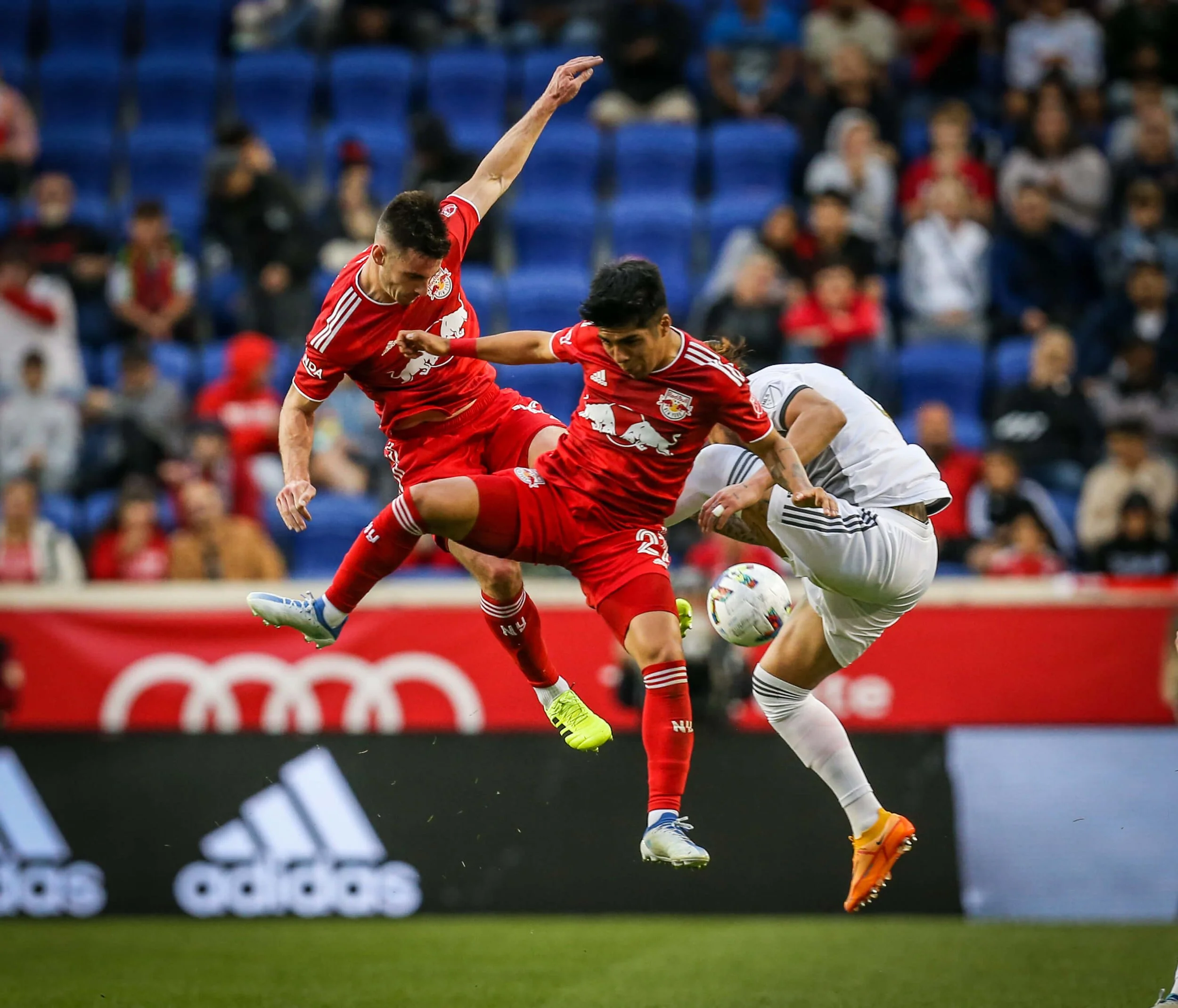
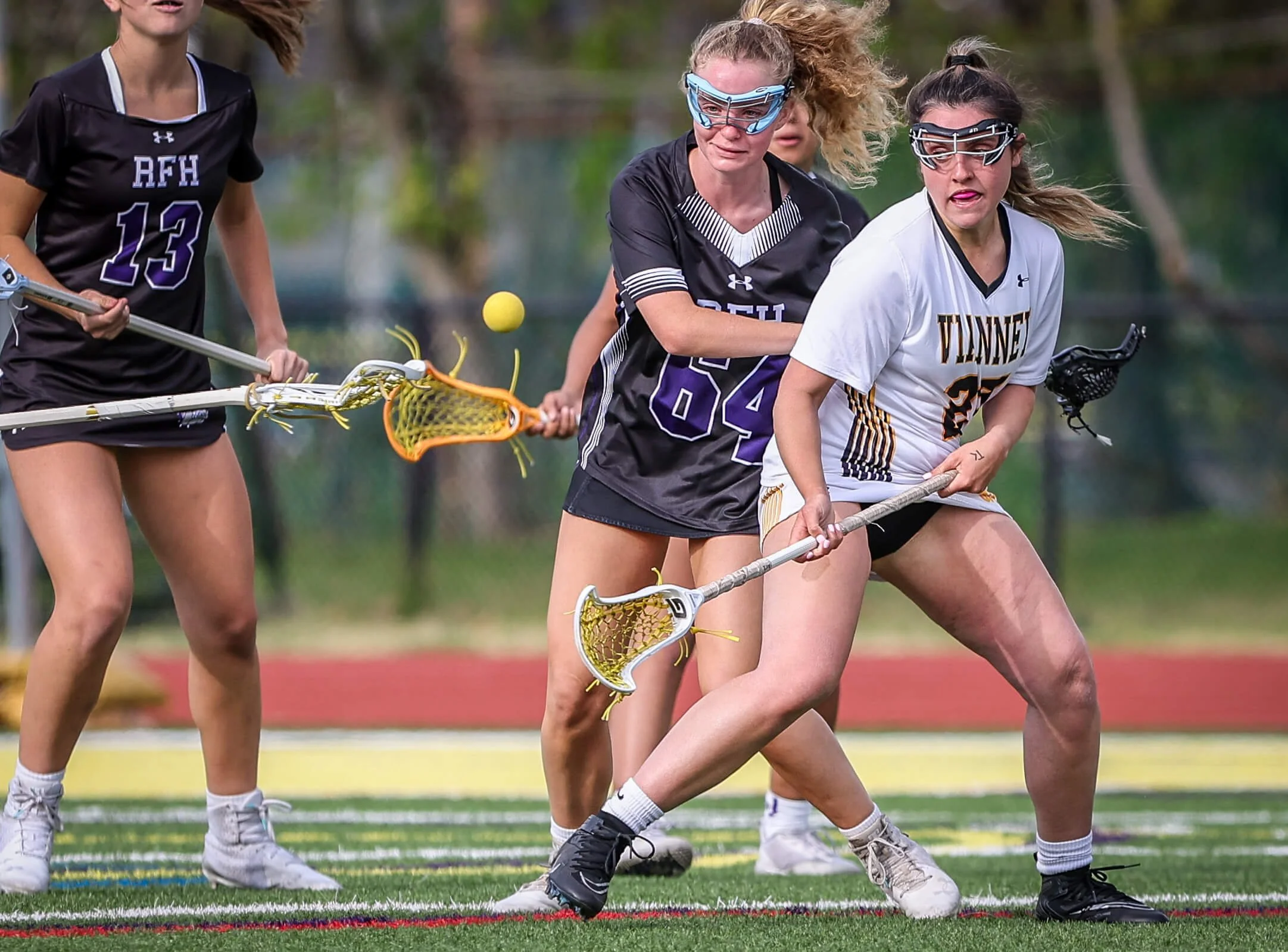
Mike Langish is a New Jersey-based sports photographer and visual storyteller known for his mastery of manual mode and his ability to read and react to fast-moving athletic events. His portfolio spans hockey, lacrosse, football, soccer, and more. His approach to the craft centers on one belief: the camera is an instrument, and like any instrument, it rewards the people who put in the time to truly learn it.
Mike’s Bonafides
“
Learn the camera. It’s your instrument. Don’t use anything else but manual mode. Learn the exposure triangle, ISO, aperture, and shutter speed, and how they all interplay. You can get to mastery by learning those three settings.
”— MIKE LANGISH, SPORTS PHOTOGRAPHERHear This Episode
Watch Here
Episode Timestamps
Your ZoomPod — Exit Ticket
After this episode, you'll know:
- Why manual mode is the fastest path to real control of your camera
- How the exposure triangle works as an interconnected system, not three separate settings
- What it means to treat your camera as an instrument rather than a tool
- Why mastering fundamentals before breaking rules applies to photography the same way it applies to music
Gear & Affiliate Links
Trick out your kit, and your wardrobe. Both Adorama and SmallRig are having sales right now. Or wear your photography mood, grab a ZWOF set-wear tee shirt. If you use a ZWOF link, we may earn a small commission that doesn’t increase the price of your item.
Explore More
Check out our other great podcast episodes. Link and follow for more great learn-photography content: IG @zoomwithourfeet | FB @ZoomWithOurFeet.
Mike’s advice to learn the rules before you break them is exactly what this Photo Lab lesson is about.
The Scale is the Rule — The Frame is the Instrument →TMac 00:11
Hello and welcome to another edition of the Zoom with Our Feet podcast, The Pot About Learning Photography, with me, your host, TMac, professional photographer, videographer, and teacher. Tell you what, you pick a sport, and this New Jersey-based photographer probably covers it and has many award-winning images to prove it. On this episode of the Zoom Pod, Mike Langish joins me to talk about his journey and the amazing visual stories he creates. How are you? I’m well, thank you for having me. Thanks for being here.
Mike 01:14
Thank you.
TMac 01:15
So, how did this photo journey start for you?
Mike 01:20
The photo journey. It started for me probably, I think it was like 1981, 82. I got a camera. And I have it back there. It can AL1 Pro, I think it’s a program, for Christmas. And I don’t know why. I don’t remember. I my parents just got me a camera for whatever reason. I must have expressed some sort of interest. But anyway, that was my first camera, and that’s when it all started. And I had a buddy too. You know, I’ll I’ll date myself, it’s not a problem. But 81, 82, I was grade school, and I had one of my friends was into photography too. So him and I would always, you know, we would talk, shop, and things, and he had he got his first camera around the same time too. So we kind of did the journey together for a little while there. So that’s kind of how it started.
TMac 02:15
What were we shooting back in those days?
Mike 02:20
I looking back at some of the photos, I mean they’re really they’re they’re not good, obviously. But it was I was a little surprised because I did a lot, I was I was into doing like a lot of light trails and things like that. And I would do things like that, take pictures of cars going up and down the street and things, and have the blur, you know, the light trails at night and stuff. Took a lot of pictures. We had Pat’s dogs, took pictures of the dogs and things. And I could see, and then I was also into I used to, you know, when you start even now, you start out, but I was always into the getting lenses and remember the coke and filters? Him and I would go to the mall, buy filters and stuff. So we’d buy like the Starburst things, and I would take pictures of like the dining room light and have the Starburst stuff and all kinds of crazy stuff like that. But it was it was fun, you know, it was fun. We were we were learning, so you were teaching yourself.
TMac 03:13
We were teaching ourselves, yeah. Those trails you’re talking about are shutter speed exercises, yeah. At the end of the day, so that answers the question of essentially self-taught, like most of us in photography.
Mike 03:28
Self-taught, but also because again, there was no internet back then. And I had a I had a couple subscriptions to a couple photography magazines. Popular photography, and there was another one, I think. So you know, I would I would go through that and I would see something I like, maybe try to replicate it, imitate it somehow. Didn’t always work, but yeah, that’s that’s that’s that’s how I started basically.
TMac 03:56
What type of photography now do you specialize?
Mike 03:59
I’m all in sports right now. It’s all sports. Just because and the only reason why is because just I love sports. And I but it’s not the love. I know. I mean it’s it’s that’s true. I mean that, but that’s what I love, and I have to be entertained while doing it. I have to have an interest in it. If I’m not interested, it’s just like anything. You’re not gonna you’re not gonna do well. And I do limit it to certain sports, sports that really interest me. That’s not totally true, but for the most part.
TMac 04:29
So any other any other photography interests?
Mike 04:34
I did weddings for a little while. I kind of has waned away. And I’ve I’ve dabbled in landscapes, but there’s only so much without traveling. There’s not a whole where I live, there’s not a whole lot of real interesting landscapes.
TMac 04:49
So yeah. You need a team to do weddings. And it’s too much pressure, man. Usually I don’t want to have to look at a bride.
Mike 04:58
It’s a lot of pressure, it’s a lot of work, it’s a lot of running around. I did it for a while without help, which is just ridiculous. The last few that I did, I had my nephew helping me, which is a lot better, but it’s still a lot. It’s still a lot.
TMac 05:15
What sports do you specialize in?
Mike 05:18
So right now, I’ve I’ve now we’re starting football season, so definitely football. So I’ll do Rutgers football for the season. I’ll do high school football. I got several high schools just in my county within 20 minutes of my house. So I’ll do high school football. I’m doing Red Bulls still until the end of that season, but then you’ll have fall football, fall soccer and stuff will happen, and then field hockey around here, ruckers, field hockey and soccer, I’ll do. That’s kind of where I’ll land now, probably until yeah, till the end of the year.
TMac 05:55
We’ll get into some business stuff later. I’m I want to keep talking about photography. I get asked all the time when I go to cover sports how I set up the camera. So if you’re going to do soccer, let’s say, be it Rutgers, be it Red Bulls, how do you set up your camera? What’s your process before a game?
Mike 06:18
As far as just the camera settings go, yeah, it’s just I usually set for I usually put it somewhere between 1600 and 2000, the shutter speed. My aperture is always about 3-2, 3-5, 3-2, usually I put it. And then the ISO is always seems to be a little different with me anymore. I found it a little bit of a challenge. Let’s just say, like it’s not soccer, but we’ll just say football at Rutgers a couple times where it’s been a sunny, cloudy day, and where the sun’s popping in and out, and that really messes you up a lot. Well, that messed me up a lot. So, what I started doing is using auto ISO, and that’s actually helped in a lot of situations now where I don’t even have to think about it because before I was really racking my head trying to keep up with the shadows and then the sun and the shadows and the sun, and it just gets to be too your photos become too inconsistent, really, you know. So I started using auto and that helps a lot. So that’s kind of what I that’s usually the setting that I said 1600 or 2000, 3235 auto kind of goes across the board for any outdoor sports.
TMac 07:30
It’s like you take one of the three off the table so you can deal with the others.
Mike 07:37
I totally agree, and I do it all the time. Especially if it’s and I can remember last year, and that’s kind of what pushed me over the edge, is it was just one of those days. This when it’s full sun at SHI Stadium records, it’s brutal. It’s it’s contrasting stuff, but then you start adding clowns, and then all of a sudden it’s nice, and it’s you know, you got the lighting’s good and everything, but then it goes back to harsh sun. And if it’s if you’re in the middle of action, you’re just you know, I’m here trying to keep looking, trying to figure things out. I said, No, I can’t do this, it’s gotta go ISO.
TMac 08:08
It’s helped, so it’s for it just chases me. It goes up, goes down, keep shooting. Yeah. What’s your favorite camera lens combination?
Mike 08:20
What brand are you? I’m a I’m a canon guy, I’m a I’m a brand loyalist, so everything is canon. Probably my favorite lens is my wide angle lens, my 16 to 35. I just I use it a lot. Not so much for sports, obviously. For sports, it’s it depending on which. It’s usually I have a 400 millimeter, 2.8, 70 to 200, 2.8. They’re kind of the standard ones, but just for like bopping around type of things, or as an accessory to those games, I bring that wide angle, but I love it. I think that’s that’s excluding sports, that’s my favorite lens.
TMac 09:01
You know, it’s you know, it’s funny, you’ll take I don’t know how many you are at a game, but you’ll take this huge number of pictures. But if you have that 1635 and you take one of those, like at lower.com where the crew plays that I shoot, you know, it’s very symmetrical, and there’s some really cool angles. And everybody’s commented on the 16 to 35 up in the corner. You get the big wide, you got the roof and the lines and everything’s like, oh, that’s really cool.
Mike 09:32
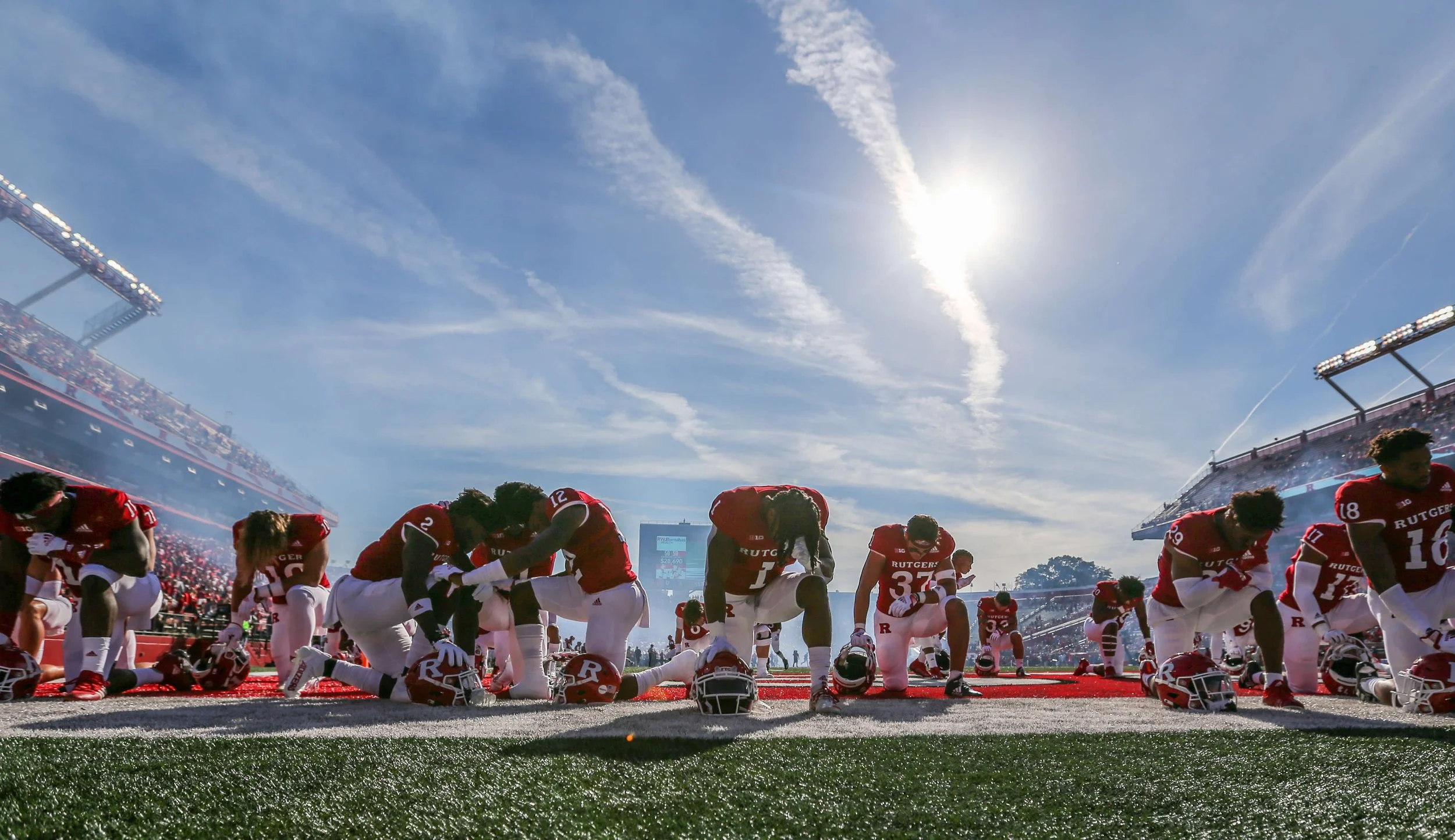
That’s like well, what they do, like so, like I’ll use it at Wreckers of the Football, let’s just say several players, and I think that most teams do this now. I’ve noticed it’s kind of a trend lately, but I noticed it first with Rutgers. Once they get introduced, they come running out of the tunnel, then they’ll go to the far end of the end zone and they kneel down and they pray. They take their helmets off, and so I usually get I’m not allowed on the field, obviously, but I get right there, lie down, I get the wide angle, and I take that, and you get and it’s a it’s a really cool shot with them all kneeling, and then you see the stadium, and there’s usually some smoke left over from when they came out of the tunnel, so you have that kind of floating around in the background. So that’s pretty that’s that’s cool. And then like at the end of the game, you get the coach’s handshakes, you go out in the field. That’s you know, they can go out in the field then. So then I’ll use the wide angle more there too. Obviously not during game action, but I that’s the lens I really like it. Even like if I go on a family vacation, if we go to say we go to the Jersey Shore, I’ll bring just that lens and just and I’ll use that the whole week. And it’s just I don’t know, it just works for me. I like it, and I like some of the effects you get, you know, just being at a wide angle. So yeah. What and it’s funny you said something about taking a lot of pictures, though. That’s something I don’t do. I don’t take a lot of pictures. Well, throw out a number. If all right, I’ll go back to football again. A standard college football game. I’m lucky if I hit 600, 700. Lucky. And I know I’m not the norm, and I know a lot of people take 1500 on up. I don’t do it because I’m not I’m not a spray and pray guy. I don’t do that. I don’t ride the shutter. And I don’t want to edit and go through a thousands of photos. I just I despise it. I just can’t do it. It’s not me, it’s not in me to do. So what I try to do is anticipate more. I think I know the sport well enough where I can anticipate, where I don’t need to just sit there and ride the shit. There’s times where I’m sitting at a game and I’m be on the sidelines, and I’m you know, something happens, and the guy next to me is just and I’m like, what am I missing? I don’t understand what I mean. There’s nothing happening, and he’s still I can’t do it. So yeah, I’d say I’d land about 700 probably. Tops. That’s a that’s a high that’s a high picture for me.
TMac 11:50
Picture for me. But I get the I get the notion that I shoot enough soccer. You know, it’s like my main thing. My kid plays college, and it’s like I know when they’re gonna come together. Yeah, wait for it, wait for it, and then I’ll a burst of maybe eight or ten. And I feel like I’ll get you’ll get yeah, I’ll get the two, maybe ball, all of that, and then okay, I’m good. Yeah, you know, there’s different assignments. Sometimes they want sort of a marketing kind of thing where you got player, ball, or in defense in some sort of body position, and sometimes those are those are cool, but most of the time it’s guy with the ball, guy, guy, you know. So I see totally get it.
Mike 12:40
If you have an assignment, a shot list that you have to get. So yeah, I can see doing that then. So, like for who I shoot for, I don’t have any of that. It’s just go game action, shoot, boom, don’t do this, don’t do that, that’s it. And I’m only really expected to upload maybe 35 on up as many as you want, but they want at least 35 good photos, you know. So I don’t have to get crazy, but yeah, to your point, yeah. Maybe if you’re if they wanted a certain shot of a player doing something, yeah, you sit there and hold on for a little bit longer. But I you know, typically I don’t need to do that, so I don’t I don’t do it because again, I don’t feel like going through in your kit.
TMac 13:20
In your kit, I love asking this question to photographers, not camera, not lens, but what is like your must-have piece, it could be a piece of gear, it could be some sort of comfort kind of thing. What do you need when you shoot that’s like always in the bag or always in the kit that’s sort of not gear related?
Mike 13:45
I would say I would say the only thing I would have that I like to have that’s not gear related is a towel. And you can use a towel for anything, cleaning lenses, wiping your brow, whatever it is. I always seem to have a couple towels with me. And I have tr I have trash bags too for whatever reason. I know I use I for rain, if it happens, but I always have trash bags for some reason. Even if it’s not raining, I don’t know why I just keep them in there.
TMac 14:14
That’s it’s so funny because in the pockets of most photographers’ bags are garbage bags because when it starts, you gotta cover up the backpack, you gotta make sure the gears, you know. It’s so funny. And then in my advanced years, I got one of those collapsible stools. Oh yeah, yeah, I carry that in my backpack, plunk that down. That’s like for me, that’s a must-have because the days of kneeling long gone.
Mike 14:41
Oh no, I don’t I don’t kneel. I have a chair too, the same thing. But I you know, obviously, I don’t like for football, I don’t bring it to football or anything like that. And then soccer, they have chairs there. That’s mostly for high school and stuff like that. I use that for a lot, right? But I always have a towel with me. Because I always find myself trying to clean the lens or I don’t know, something’s happening. Yeah.
TMac 15:02
Oh no, totally practical. How would you define describe your style of image?
Mike 15:15
How would I define my style? I don’t know if I can define it, other than I just try my best to get peak action. I have learned over the years, and it’s been drummed in my head about peak action, to get peak action. My peak action five years ago was not peak action. Like now it is. So I try my best to get peak action. And I find myself, if it’s not even if it’s a half second or second late or before, I don’t even bother anymore. I mean that’s not a good way to describe my style because I don’t know if I have I have my own style, I guess, but is it a is it a visual aesthetic?
TMac 15:59
Are you is it framing?
Mike 16:02
Is it’s framing, and I think for me, my style is more in the editing that I do. I think. I’ve gotten better. I’m looking over here at some of my things hanging up. I gotten better with cropping as well throughout the years. But I have a couple presets in Lightroom that I use that I use on all the sports photos. And again, you’re not you know, you can only do so much when you’re when you’re shooting and you’re putting them up putting them out there for you know newsworthy stuff, but certain crop, a little bit of clarity, things like that. Automatic presets, just to you know, sh open the shadows up the smidge type of thing. So I try to be consistent with that, with that part, because a long time ago I heard somebody say something about consistency in the photos, and that there were it was a I was watching some online, it was a critique of photos, and the first photo didn’t look anything like the second photo, didn’t look anything like the third photo. There might have been different subjects, but just that consistency of taking the picture and editing it wasn’t it looked like three different photographers. So that’s always been in the back of my mind that I always want my stuff to be completely like if I gave you a sample of this, oh yeah, they all look the same. That’s gotta be his. That’s that’s his style. So that’s probably I don’t have a name for it. Mike’s style, I guess. I don’t know. It’s consistency. It’s consistency. I try to do it anyway. I try to do it. Consistent look. A consistent look, yeah. I don’t want to because I think too, like if I if I put up a set of football and it’s all different, that’s not that’s not good. It should be consistent. Now, whether it’s consistently good or bad, it’s another story, but consistent.
TMac 17:38
For folks that I get asked all the time about some folks will learn what the term peak action is. So explain it.
Mike 17:51
Peak action is just that. It’s so I guess this the simple the simple explanation or example would be if so if let’s say a wide out wide receiver is just going out for a pass and he’s got the defensive back on him, quarterback throws to him, he jumps up and he’s just about the ball’s coming right here, you’re just about to catch it, that’s peak action. If someone’s about to get hit football, and not right here, but right here, that’s peak action. If he’s already going backwards and this guy’s flying off of him already, that’s you’re past it. But if you want to get that, you want to see the helmet shift, you know, the sweat beats kind of fly out, that type of thing. That’s kind of where you want to be. Soccer would be you know, the header. Have that ball not up here, not after the fact, but maybe you can get it in a little squished right on their head. That’s that’s peak action.
TMac 18:47
Yeah, bad.
Mike 18:48
So that’s that’s where you want to be because they’re the most interesting ones. That’s you know, if you put that up against something that’s two seconds later, yeah, you say, Well, that’s okay, but this is much better.
TMac 18:57
So it is the moment of the action. Moment of the action. I know that because I get asked this a lot. They’re like kids, you love them all. But tell me about an image that you were that you’re really proud of, and then the best part for this purpose is tell me the story behind how you got the shot.
Mike 19:24
I have a couple that I really like. They’re actually at my other room.
TMac 19:29
He’s looking around the room.
Mike 19:31
I’m looking around, but no. I have I have I have a few over here, but most of them are out there. I have them hanging up. But there’s a couple I’m really proud of, and I don’t think there’s anything really I so alright, so the one picture I’m thinking of is I used to shoot the Devils NHL. And at the time it was Corey Schneider who was the goaltender, and I have a picture of him making a save where and this was if you ever shot hockey, it’s it’s it’s it’s different, it’s a very different sport as far as you can’t, you know, obviously you’re assigned a spot. So luckily I was able to get on the ice for this particular shot, and the devils were at my end, and he made a save where I it’s he was flopping off to the side, he was on the ground, and his the puck was on his stick. He was he actually made the save with his stick, but I got his eyes, I got everything, and the way it’s for it’s just a it’s a great looking shot. And it was something it’s something that it’s one of the few that I have that I would be like, yeah, you know, check this out. I’m proud.
TMac 20:36
Was there something in what you did leading up to that? Did you see it coming? Did you anticipate? Did you move at the last second?
Mike 20:45
It’s all how did that work? I think it’s all anticipation. You watch enough, you know what’s gonna happen. You have an idea of what’s gonna happen. You can’t anticipate plays happening. There was obviously there was a scramble in front of the net, and he went down to his, I think it was his left, and the puck came loose, and he was gonna go and somebody took the shot and he kind of dove right a little bit, and that’s where I got the shot. But you could see it all kind of happening, and I think that is very important, though. You need to know the sport. You need it, you need to know at least the reactions of the players in the sport. You don’t need to know, you do need to know this sport, and I’ll give you for instance, like hockey. My son played 10 years of travel hockey, I’ve watched hockey all my life. I think I have a pretty good idea of anticipating plays and what this person’s gonna do with behind the net or in this, whatever. I love lacrosse, never played it. I love it because it’s a tough sport. I wish I would have played it. I don’t understand it, but I do know their actions, their reactions, and what they do and what they’re gonna do when they move into this end of the field, and so I can anticipate well that way. Don’t know it fully, the rules could kind of confuse me a little bit, but I know enough where I can get it. But if you know the really know the sport, it makes it a whole lot easier. And with that play, with the Corey Schneider double play, I mean, he was right there. Right, I was right on the goal line. And the play came, and it was just, you know, you have to jump on those anyway because when they go to the other end of the ice, it’s a little difficult. So anything down my end, it’s you know, you have to be ready. So, but that’s one of my favorite ones that I’m proud of.
TMac 22:29
Go to pee-wee games, go to go to, right? They’re not moving crazy fast, but that’s where you learn what you just described. How the participants move in a different sport. Lacrosse, man, there’s some high wire acts in that. There’s some crazy twisting and turning, you know, hockey, same thing, and how fast it is, and all of the cues that you get. I mean, I’m I don’t even think about soccer anymore. I’ve shot so much. I know what they’re gonna do, pretty much, unless it’s some crazy athletic kind of play. It’s all monoimano sometimes. So you just kind of focus on those two, and off we go.
Mike 23:23
Yep. Yep. There’s and there’s nothing wrong. And if for the people that are just starting out, and I know a lot of people want to jump right into whatever college pros, they you know, you really should cut your teeth down in youth sports first. High school, you know, younger than that. There’s nothing, there’s nothing wrong with that. It’s and if you’re looking to actually make some money, that’s really where you’re gonna make it, to be honest with you, because parents want photos of their sons, their daughters, you know, and senior in high school, they want the final photos of them playing football. So it’s all there, and there’s nothing wrong with it. And to your point, they’re doing the same things, it’s just not as fast. And really that’s the and they’re not as big, you know, they’re obviously bigger, stronger in college and pros, but it’s still football, it’s still soccer. The fundamentals don’t change any. So they’re still you know, driving to a net or kicking a ball or throwing the football or handing the ball off to a running back. So yeah, I mean, learn that, and then use those, you know, those settings for me anyway, they don’t change, they’re the same in high school as they are with college and pros. You know, the conditions are the same. Yeah, right. The field’s not as good, but you know, sun and clouds, same. So you learn everything there, you know. And there’s nothing wrong with doing youth sports, nothing. And I would say go and yeah, work it all out there.
TMac 24:57
And the and I’m telling you, the good images there are the exact same images that are good even at the pro level. Those little guys and gals, the eyes and the body positioning and those good shots, it’s exactly the same.
Mike 25:14
And actually, it’ll make you better because lighting, if you do like football at night, light high school lighting at night is ridiculous, it’s horrible. That’ll make you better. Backgrounds, worrying about backgrounds, you don’t want the portage on, or you don’t want you know, some of it sometimes at that level it’s unavoidable, but you can control it to a degree. That’ll make you better, that’ll make you see better, look, you know, frame things up better. Worry about backgrounds. But you know, you start doing higher levels, yeah. I mean, the lighting’s great, and this you don’t have to think that much, you know. You just set your camera and go, just sit up. But down there you got to work it a little bit more. 10 years my son played hockey, travel hockey, and we traveled all you know throughout New Jersey. And I can’t tell you the amount of time, and I took pictures all the time. Took pictures of him, I took pictures of the other kids, gave them to the parents, they were all oh yeah, great, blah. The lighting in these rinks, for the exception of I can think of like three rinks around here, brutal, brutal. I mean, just brutal. Like if you’re wearing a white jersey and the lighting is pink here, blue at this end, and over as the player skates down the ice, their uniform. If it’s white, if they have a white jersey on their uniform changes colors because it’s reflecting off the ice, and it just it’s and I’m and then I look back, and I’m like, this is horrible, you know. So it makes you better. So it’s yeah, get cut your teeth at that level. It’s it’ll definitely make you better.
TMac 26:43
I always tell people that for me anyway, photography is good for the soul. What keeps you going in photography? What you know, how does it make you feel after all of these years?
Mike 26:59
So, first off, I do it for because it’s fun. You know, I love going to these games, I love being in those environments. It’s just it’s just fun. But for me at this point in time, what I try to do is I try to be better than the last time. And that’s my own, I’m not trying to be better than this guy or that guy. I’m just trying to be better on my end, quicker, you know, maybe more peak action. Maybe more, maybe less game action, a little bit more sideline stuff, or you know, whatever. Just I always try to think of something to do that I didn’t do before that was different. And yeah, I just try to I try to get for me the net my best football image for the next game, you know. That and that’s that’s what keeps it going.
TMac 27:51
Well said. I’m assuming you’re running a business, even a part-timer like me is running a business. So a couple of business questions about I think some of the people who say they want to be a photographer don’t think about the business part. And so if you had to give a couple of tips about running a photography business, which essentially it is, what would you tell people? Case in point, you said rutgers. Is that a retainer? Is that an event per event kind of arrangement? So talk some about the business of sports photography.
Mike 28:44
Like the rutkers is just is just I because I shoot for Cal Sport and it’s just all editorial stuff for them. And then you know, whatever gets used, you know, comes back. So that’s all that is with that. With the business end of it, more would be for the high school. And I would say if you’re wanting to make a business out of it, you need to reach you need to reach the athletic director at schools. You need to reach parents somehow. Could be done through the athletic director. But that’s how you’re gonna get it. If you’re if you’re taking good images and they need something, you can provide something for them. Reach out to those people. They’re your they’ll they’ll be your best bet coaches, athletic directors, or higher up, or they’ll direct you to the right people. And that’s how like because I shoot a lot of high school, I do it for Max Preps. And that’s all just you go out and shoot as many as you can do, and you upload them, and then whatever is sold is yours. So I don’t have to worry about that, and I do have to edit. But you don’t want to just edit and put them out on a gallery and just have them sit there, so you have to promote yourself to some degree. So that’s with the socials, you know, the Instagram, Twitter, all that stuff. But also letting these people know, and then if you build relationships with some of these high schools in the area, you can, you know, they might use you for other things. So you have to work yourself, you have to throw put yourself out there, and you know, obviously take a good picture. But yeah, you have to you have to offer something for that. And I wouldn’t do anything for free if you’re making it your business, because I know a lot of people do that because they want to get their foot in the door, but I don’t necessarily know if that’s the correct way of doing things. I never have. So you know, your work is put, you’re putting a lot of time into this, you’re putting money into it with gear. Don’t just give your stuff away. Have some, you know, be proud of what you’re doing. And it’s just like any other service industry, you know, it’s gonna cost something. Now it doesn’t have to cost a ton, but like I said, if there’s a need and they like what you’re doing, they’ll they’ll pay you. So, but ultimately get your stuff out there, contact the right people. And like we said earlier, if you start in the trenches low, youth sports high school, there’s nothing wrong with that. That’s perfectly fine. I know everybody wants to shoot for the, you know, go from point A to the Super Bowl. It’s just no, it just doesn’t work that way.
TMac 31:20
You know, one of the I’m in sort of a unique position because I have a full-time teacher, work for a school district, so I sort of I shoot for the district because no one else can. And so I’m not, but I look at it all as practice. So I’m not I’m not shooting every day, but I’m shooting constantly. And I feel like my skills have sharpened over the time, you know, say last six, eight years, because I’m shooting everything sporting wise. And one of the things I advise people, and you’ll probably agree, is I find out who the boosters are.
Mike 32:09
Oh yeah.
TMac 32:09
Who are the booster mamas?
Mike 32:11
Yeah.
TMac 32:12
And ask to make a pitch at their next booster meeting, kind of thing. And the they kind of look at they’re the ones buying the pictures, boys and girls. And they have events and they have all kinds of stuff that you could do at a cut rate, and then for other work, as you said, down the road, think long term, not short.
Mike 32:40
Yeah, word will get out, you know. Parents will talk, they’ll see, you know, pictures of whoever, and oh, how did you get that? You know, that’s pretty good. Oh, so and so, okay. You know, if you then they’ll connect you. That’s happened. I’ve had parents just from putting stuff out on social media, and I’ll tag like the school. I don’t usually tag players, I know some people do, but I usually just tag the school, their athletic department, or whatever, and then parents catch wind of it. And I’ve had parents come up to me and pay me up front for a season to take, you know, take pictures of their son who’s a senior linebacker, you know. Well, they played both offense, defense, and high school, but you know, as last year, go to all the home games, you know, give us what you can. I’ve had that several times. So I probably don’t do enough of the promoting part. I mean, I could really push it if I really wanted to, but I do what I do and it works for me.
TMac 33:37
So yeah. And everybody’s different, yeah. Like I don’t I don’t have the time. I mean, doing this is you know, and I’m doing it by myself just because I have a video background, but I wanted to talk to photographers. This is the best way to talk to photographers, just ask them. That’s true, and there he is. Last question. So you’ve mentioned it in a couple of different ways, but I always end with the same question, which is if you were talking to the 18, 20-year-old Mike about photography and what he needs to learn and what he needs to know, what would you tell him?
Mike 34:22
I would say pretty simple because I’ve said this to other people you know in the past, not too long ago. I would say learn the camera, know the camera well, meaning don’t use anything else but manual. I’m a pure manual guy, use manual, learn ISO, aperture, shutter speed, all that stuff, and how they all interlock. You can get to point A by doing this, point B, you know, you can get there a number of ways by learning those three. Know those three. Learn the basic rules of photography. You know, the rule of thirds, leading lines, things like that. However, sometimes rules are meant to be broken. So I’m not saying stick with them, but just have a foundation. I’m not saying you have to, and ultimately, ultimately, if you like what you’re doing, then you’re okay. That’s it. And don’t let other people say, you know, this is this. If you’re enjoying what you’re doing, that’s all that matters.
TMac 35:22
Amen.
Mike 35:23
That’s it.
TMac 35:24
That’s what I tell you know, I use I use an analogy with students. I say, before the person knows how to play jazz, they learn the scales. Yep. And photography is no different. If you learn those three things and how you can produce pretty much anything, by manipulating those three things, you’re off and running.
Mike 35:46
Yeah, that’s to me, that’s that’s the bare bones right there. That’s how you’re gonna take, you’re gonna know the camera, and at least if you know those settings, you’re gonna be able to take a good picture. Now there’s other obviously more things with composition and things like that. I think that comes in time and practicing. And again, though, like I think some of the rules, you know, you can kind of twist them and bend them, and you don’t have to adhere to them. I mean, but yeah, keep your horizon straight, you know, don’t be put in a field like this. That just blows my mind when I see those things. But you know what I’m saying, just some of the basics. You know, get creative, do things that other people aren’t doing. That’s another thing, which is huge. You know, if you’ve if you’re at a sport, if you’re doing a high school football game and everyone’s at over here, you know what, go somewhere else. Don’t do everything what everyone else is doing. Yeah, go back, look backwards, look, look, go somewhere else, do something different. Don’t always follow the pack, just because they’re there doesn’t mean it’s right. However, they’re all gonna have the same shot. You might go over here and get a better shot. And guess what? You’re the only other one because you weren’t, you know, following the herd. So true. That’s it. So true. Just you know, be creative, think out of the box, but do your thing and learn. That’s all. Practice, Mike.
TMac 36:58
I can’t thank you enough for being a part of the project. I wish you well. Hope to see you down the road sometime.
Mike 37:03
Yeah, maybe we’ll run into each other again at another championship that comes this way. Right? So thanks, bro. All right, good talking to you. Thanks for having me.
TMac 37:19
Thanks again to the award-winning photographer Mike Langish. You can check out his work on Max Preps and on all of his social media channels. The Zoom with our feet podcast is a production of TV Commando Media. The Zoom Pod theme is by Novembers and their Funky Groove Cloud 10. Until next time, photographers, if you’re not shooting, you’re not learning.
More From Mike