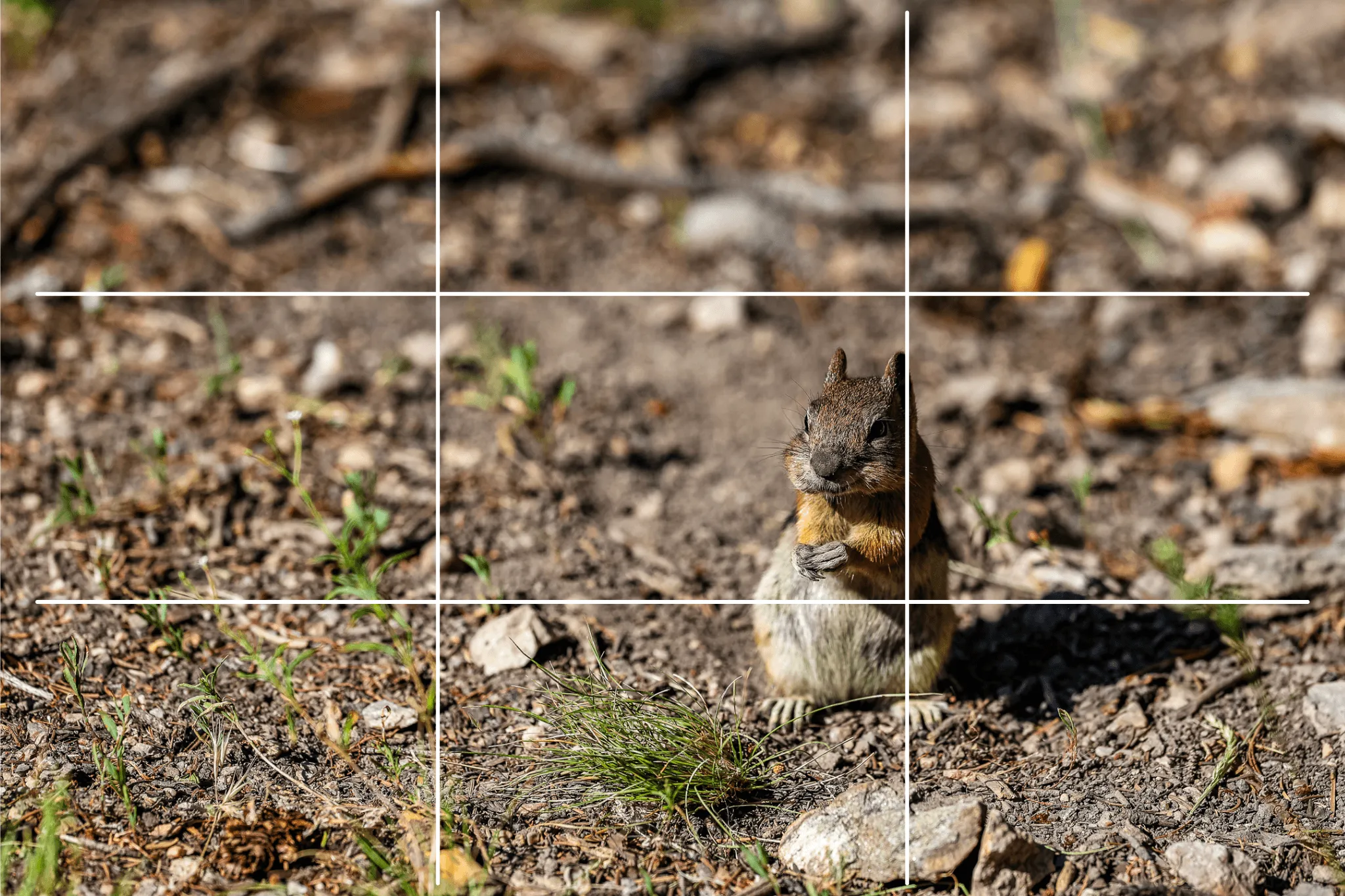
Learning composition in photography works exactly the same way as learning an instrument, and most beginner photographers make the same mistake as beginner musicians. They either ignore the rules entirely or follow them so rigidly that every photo looks identical. The Rule of Thirds isn’t a formula to follow forever. It’s a scale to internalize until your eye stops thinking about where to go and just goes there. This lesson is about what happens after you know the rules well enough to bend them.
Unit 2 · How Photographers Think
The Moment
Before we talk about photography, let’s talk about music. Think about the first time you picked up an instrument. Or watched someone else try. The first lesson wasn’t improvisation. It wasn’t jazz. It wasn’t bending notes and finding your sound.
It was scales.
Up and down. Same notes. Same order. Over and over until your fingers stopped thinking about where to go and just went there. Nobody argued with the scales. And yet, every musician has a love-hate relationship with them. Too mechanical. Too repetitive. Too much like work and not enough like music. Sound familiar? Beginner photographers say the same thing about manual settings. Too complicated. Too technical. Too many dials and not enough just taking pictures.
But here’s what every musician eventually discovers: you can’t bend notes until you know where the notes live. You can’t play jazz until the scales are in your hands. And you can’t compose a great frame — I’m talking really compose it with intention — until you know the rules well enough to know exactly when to bend them.
The scales aren’t the enemy of the music. They’re the reason the music works.
Photography works exactly the same way.
The Real Problem
The Rule of Thirds is the scale.
It’s the first compositional arrangement every photographer learns. Divide the frame into a 3x3 grid, arrange your subject where the lines intersect, stop centering everything. It’s taught in every beginner class, every YouTube tutorial, every photography eBook — including mine.
And beginners do one of two things with it.
They ignore it entirely and keep centering everything. Or they follow it so rigidly that every single frame looks like it was composed by the same invisible hand. Subject on the left third. Subject on the right third. Repeat forever.
The Rule of Thirds was never meant to be a formula. It was meant to be a scale. You learn it so your eye stops defaulting to the center. Once your eye is trained, once the scale lives in your hands, the rule becomes a launching pad, not a landing spot.
The Fix
Learn the scales first. Then start seeing where the ‘notes’ in your frame go. Arrange them, create space, look for textures and shapes.
Here’s what that sounds like in practice: the Rule of Thirds trains your eye to think about arrangement. But arrangement is really two decisions happening at the same time, what you include in the frame and what you exclude.
Both are decisions. Both are yours.
A tighter frame excludes distractions and pulls the viewer straight to the subject. A wider frame includes context and tells a bigger story. Neither is wrong. Both are intentional. The Rule of Thirds doesn’t make that decision for you, it just gives you the grid to compose against. The frame is not a window you point at the world. It’s an instrument you play. What stays in. What gets cut. Where the subject sits. All of it is music for the eyes.
Every photograph is a composition. Every composition is an arrangement. What you include, what you exclude, where your subject sits in the frame, that’s not pointing a camera. That’s story composition. Sometimes it’s a subtle ballad. Other times, yes, it’s a jam.
In the Lab, we say: compose the arrangement with intention. The rule gets you started. The decision is always yours.
Learn the scales of composition. Then play the note that needs to be played.
The Sideline Lesson
This is Pillar 4 — Control.
And it’s the moment Unit 2 comes full circle. The rules aren’t the enemy of creativity. They’re the foundation of it.
Every lesson in this unit has handed you one more decision. Light. Position. Background. Anticipation. And now, the frame itself. What’s in it. What isn’t. Where the subject lives inside it.
The photographers who compose truly compelling images aren’t ignoring the Rule of Thirds. They’ve internalized it so completely that they know exactly when to follow it and exactly when to “bend the note.” And why.
That’s not rule breaking. That’s visual jazz, baby!
The Takeaway
The Rule of Thirds is where your eye starts. The frame is where your decisions live.
In the Lab
Try this: Find a subject and compose it three ways. First, arrange it dead center. Second, use the Rule of Thirds, subject on an intersection point. Third, break the rule on purpose. Push the subject to the very edge of the frame. Leave a lot of empty space. See what that emptiness does to the story.
Compare all three. Ask yourself which one feels intentional. Which one feels like a decision.
That feeling is your eye learning the scale.
Trust it. Trust Yourself. Go back if you have to.
—TMac #shooton
Creators! Would you like to hear from some of the best visual composers in photography and video! Check out the ZWOF Podcast!
