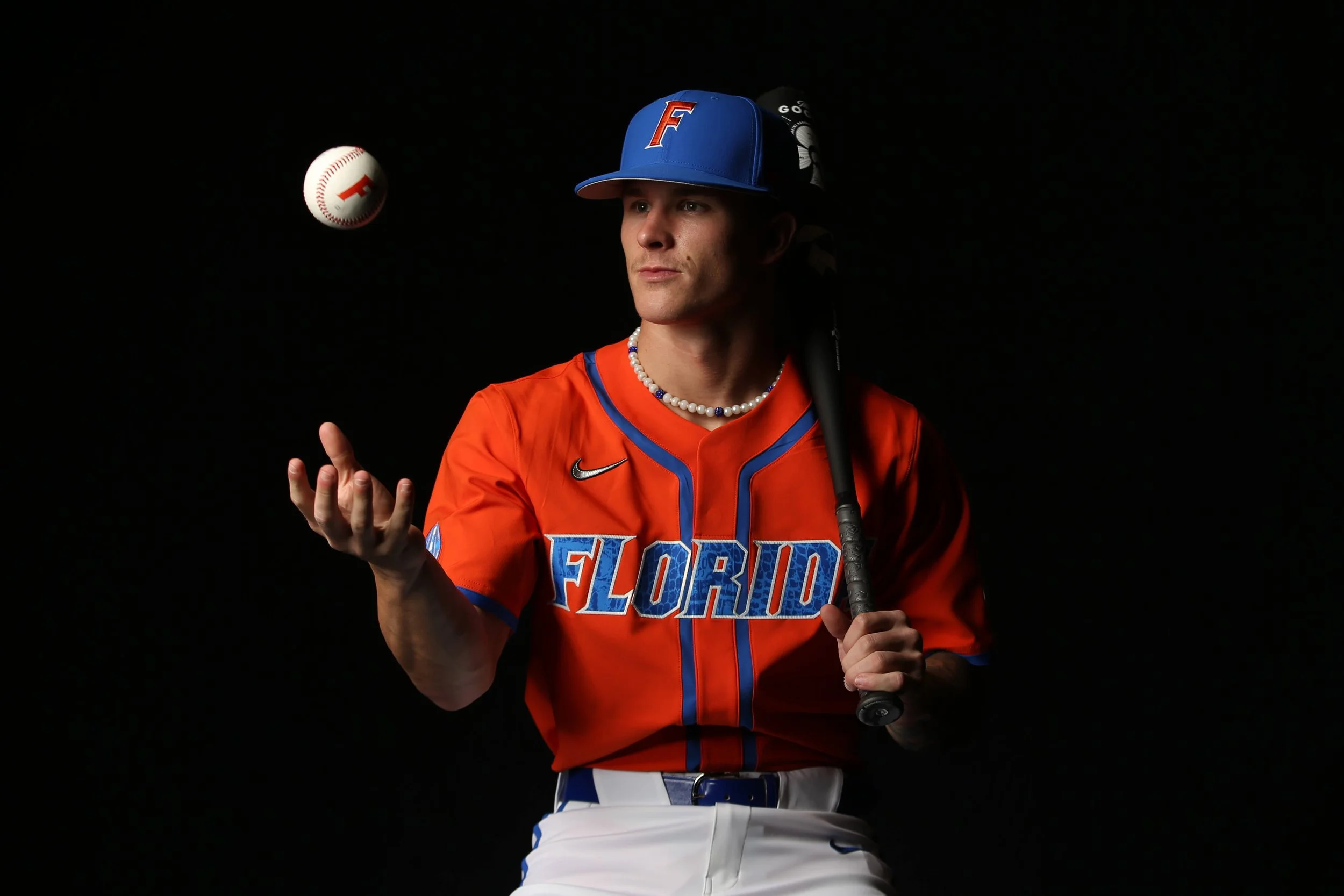
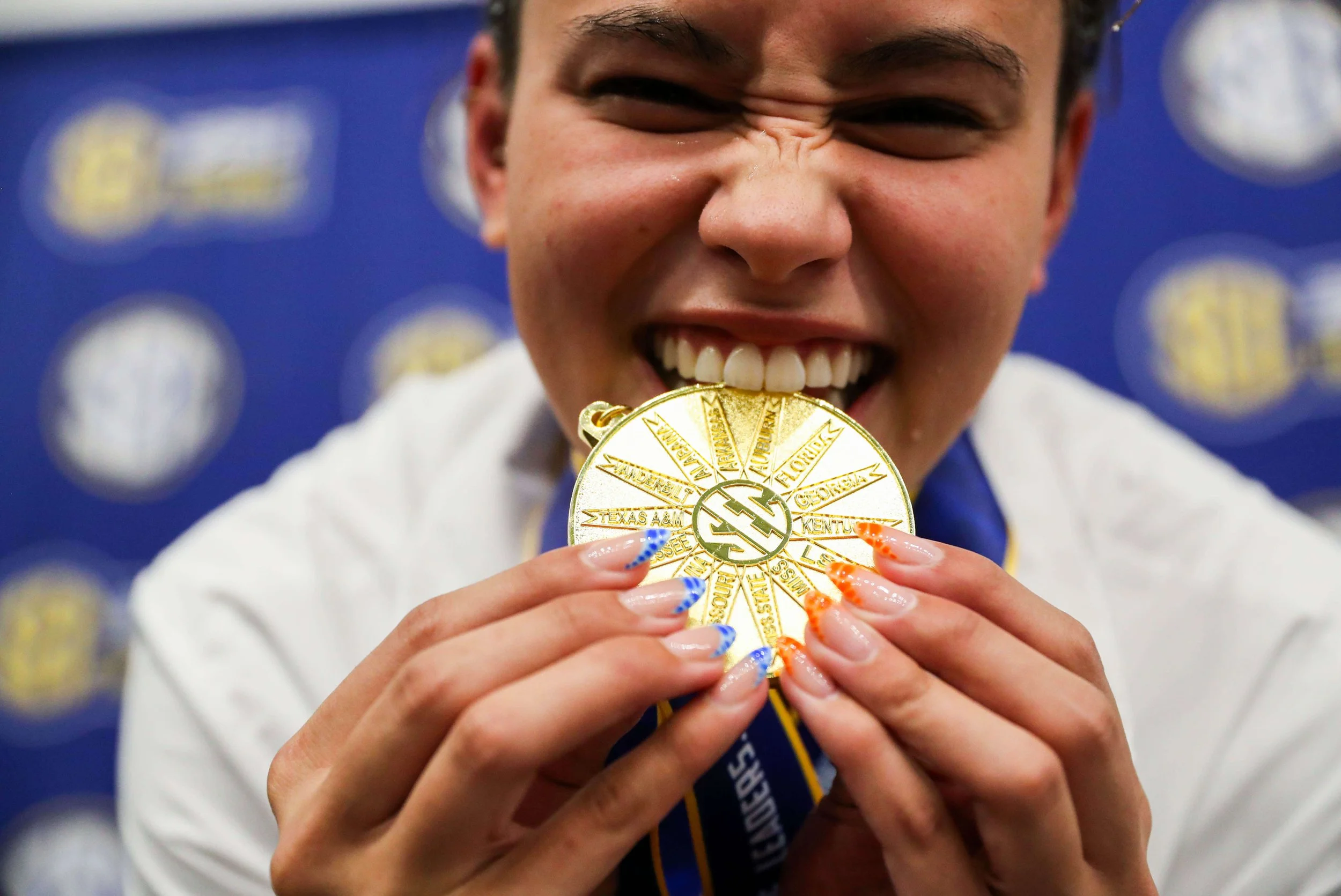
Bryce Mitchell — College Sports Photography, University of Florida & Building a Career Before Graduation
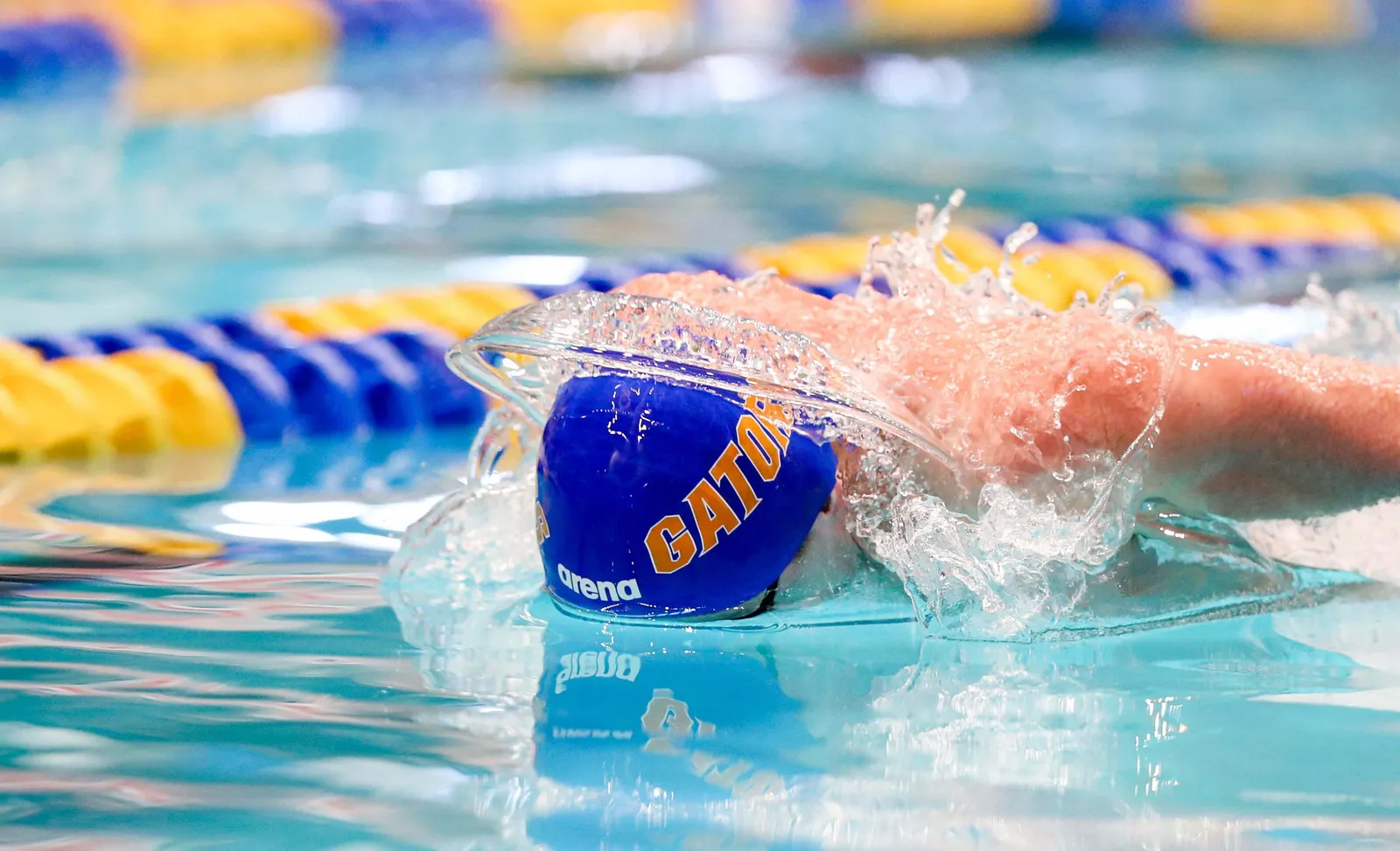
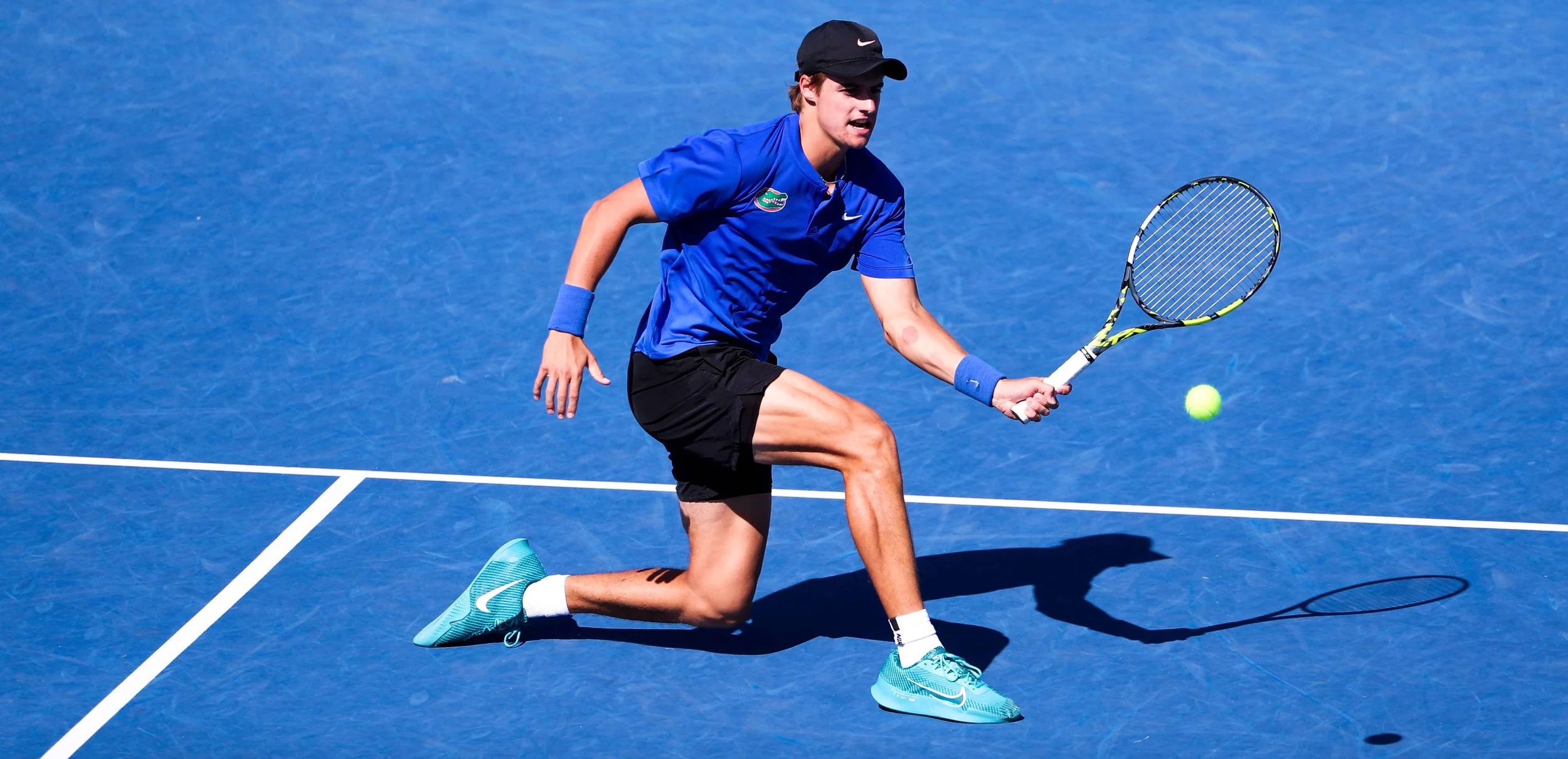
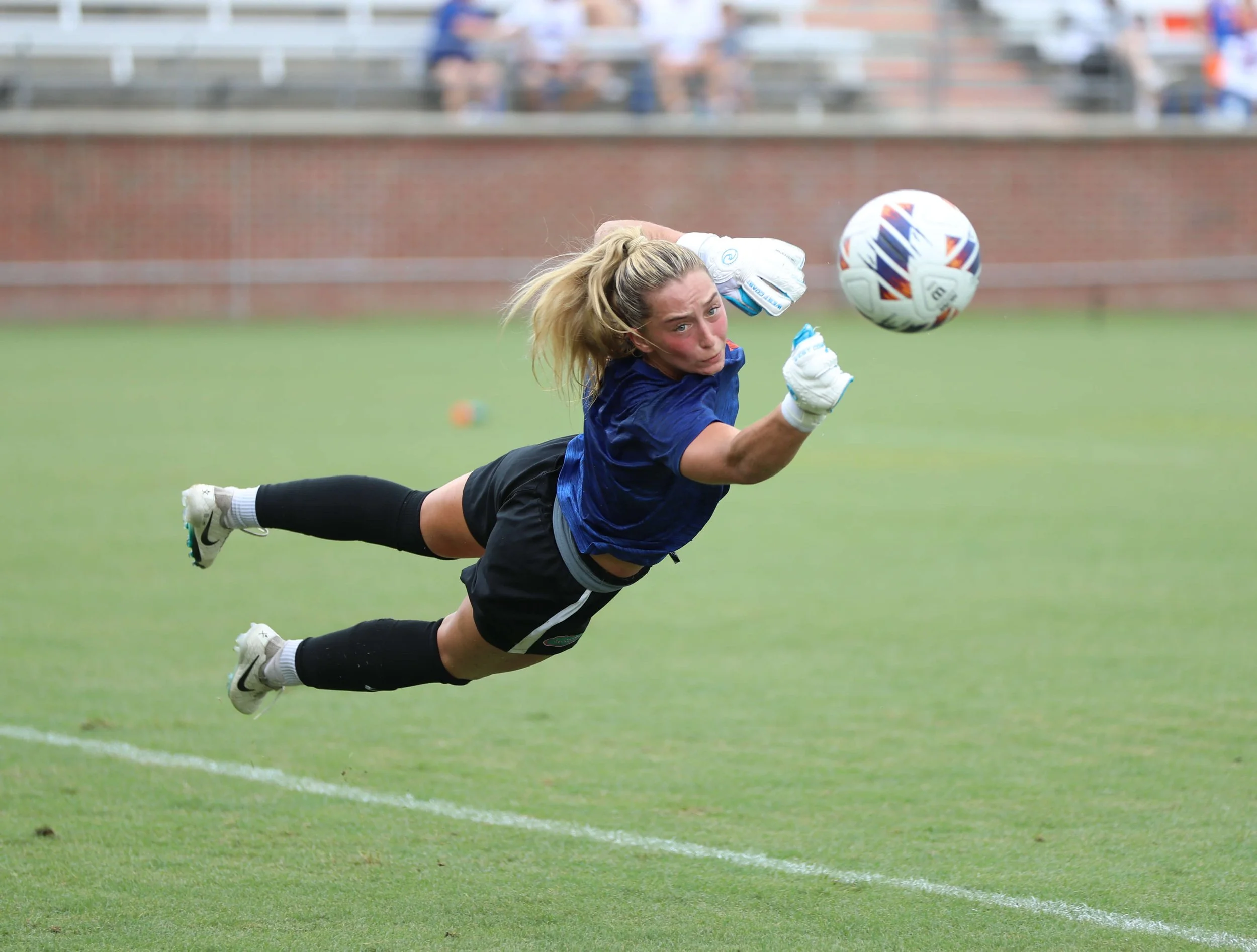
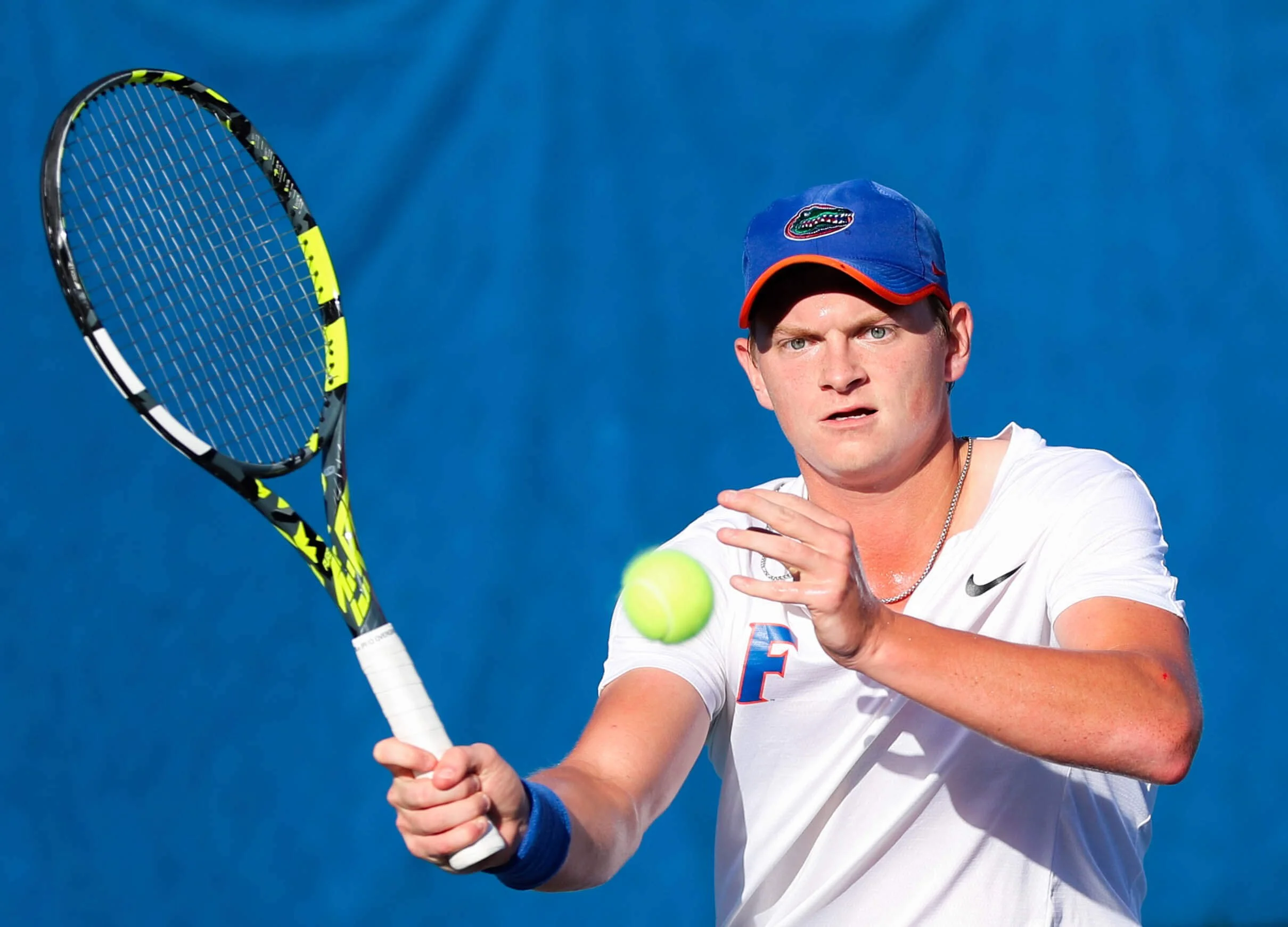
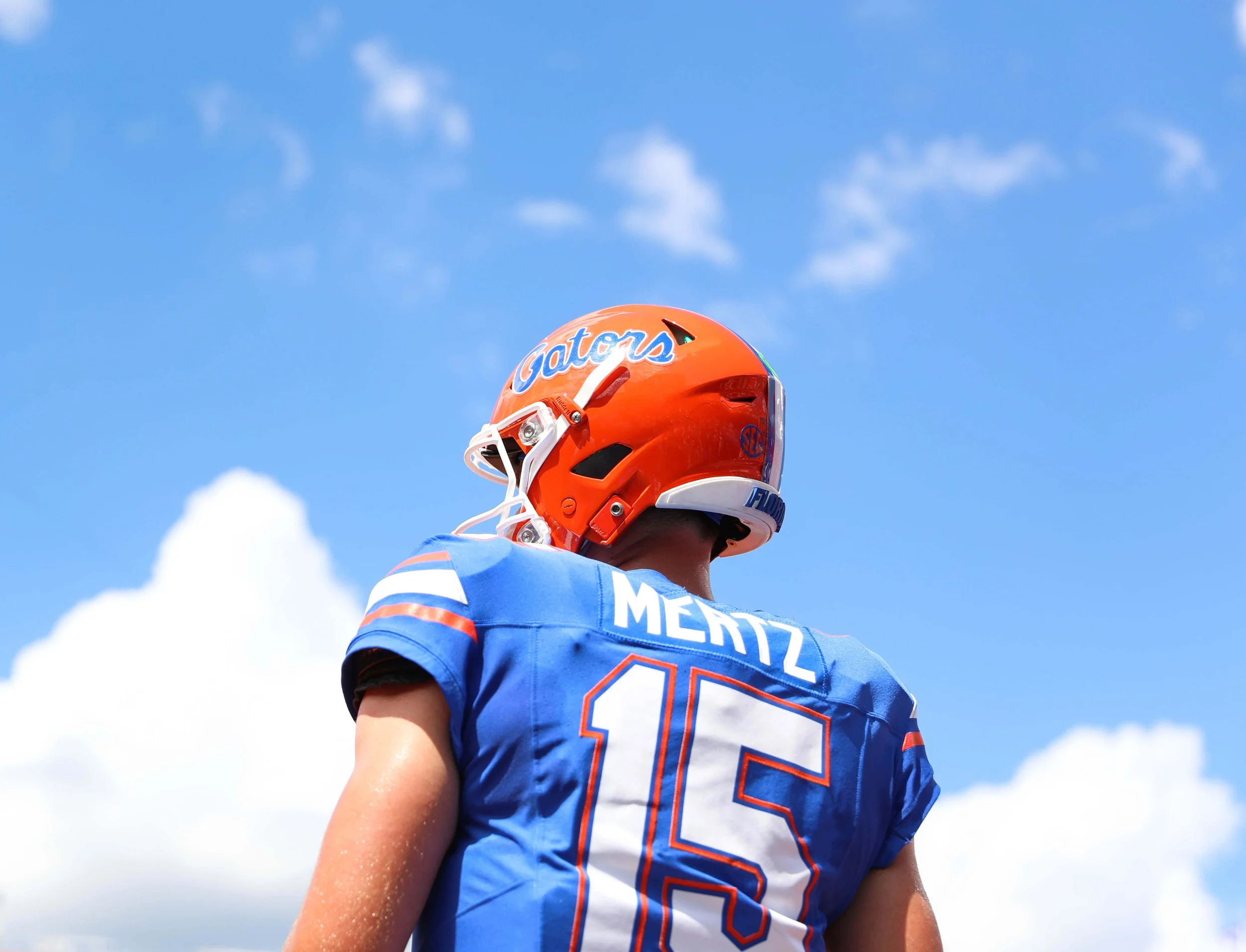
The bubble shot. Water frozen at exactly the right moment. Bat on ball. Photo Credit: Bryce Mitchell Photography. Used with permission.
Bryce Mitchell was shooting D1 college sports for the University of Florida Gators and a professional soccer team in the NPSL before she’d even finished her degree. Today she’s the Photography Coordinator at Wake Forest University. Proof of how fast a career can move when talent meets opportunity.
In this episode Bryce breaks down what it actually took to build that resume while still a student, and the advice she says matters more than any piece of gear: say yes to everything, and stay in your own lane.
Why It Matters
Most young photographers wait until they feel ready before raising their hand for an opportunity. Bryce’s career proves the opposite works better. She said yes before she felt qualified, and the work taught her the rest. For anyone early in their photography journey wondering if they’re ready, this episode is the answer.
About This Guest
Bryce Mitchell built a college sports photography career most professionals take a decade to reach, shooting D1 athletics for the University of Florida Gators and professional soccer for Hickory FC of the NPSL, all while still an undergraduate. Since graduating she has moved into the role of Photography Coordinator at Wake Forest University, continuing to build a career defined by speed, consistency, and a willingness to take on assignments before she felt fully ready for them.
Bryce’s Bonafides
“
Stay in your own lane. Focus on your own work and getting better. Say yes to every opportunity you’re given, even if it’s scary or out of your comfort zone. You never know where it can take you.
”— BRYCE MITCHELL, PHOTOGRAPHY COORDINATOR, WAKE FOREST UNIVERSITYHear This Episode
Watch Here
Episode Timestamps
Your ZoomPod — Exit Ticket
After this episode, you'll know:
- Why saying yes before you feel ready is often the fastest way to grow
- How to avoid comparison and imposter syndrome early in a creative career
- What it actually takes to shoot D1 athletics while still in school
- Why staying focused on your own work matters more than watching everyone else’s
Gear & Affiliate Links
Trick out your kit, and your wardrobe. Both Adorama and SmallRig are having sales right now. Or wear your photography mood, grab a ZWOF set-wear tee shirt. If you use a ZWOF link, we may earn a small commission that does not increase the price of your item.
Bryce said yes before she was ready and stepped into rooms she didn’t know yet. Same instinct applies every time you raise a camera.
Stop Shooting From the Stands →TMac 00:08
Hello and welcome to another edition of the Zoom with our feet podcast, The Pod About Learning Photography. With me, your host, TMac, a professional photographer, videographer, and teacher. Tell you what, there are not many photographers who shoot for the University of Florida Athletics and a professional soccer team all before graduating from college. On this episode of the Zoom Pod, Bryce Mitchell joins me to talk about her photography journey that’s done more in five years than most do in a career. Our guest speaker is in the photo lab. Let’s talk to a pro. Bryce Mitchell, welcome to the Zoom with our feet podcast. How are you?
Bryce 01:12
I’m good. Thank you so much for having me.
TMac 01:14
So, how did you get started in photography?
Bryce 01:17
So I feel like the classic pipeline I feel like that I’ve seen recently with people around my age is yearbook and things like that in high school. But I went to boarding school for high school in Pennsylvania. I’m originally from North Carolina, and my boarding school required you to take, I think it was two art electives. So I just chose photography for one of them, and I ended up loving it. And I just kind of did it here and there, stuck with it, and then I did some work for my high school’s athletic department shooting some games, and then I the pipelined a yearbook editor. And I’ve just been kind of doing it ever since then. And I at first did a little bit more studio portraiture, and then I started doing more sports, and I love sports now, so what’s not the love? Yep.
TMac 02:12
What was your what was the first camera lens combo you started with?
Bryce 02:20
So I’ve always used Canon, and I think I remember it was my sophomore or junior year of high school after I had taken the photography elective classes. I was gifted an I think it was an EOS like Rebel T6i, like one of the classic, I feel like first cameras for Christmas. So that was my first one. And since then I’ve always used Canon and I think I’m just sentimental with it now.
TMac 02:49
And just pointed it at everything.
Bryce 02:51
Yep.
TMac 02:53
Is that how you taught yourself the basics? I mean, were you are you self-taught before college?
Bryce 03:03
I think like I definitely, of course, started learning in the photography classes that I took in high school, just learning the very, very basics about like what is ISO, what is aperture, all that stuff. And then I think like photography is a big self-taught, just what can you do in the environment that you’re put in. And I think I just with all the different sports you do, you just kind of figure it out on your own. And I feel like that’s a little bit of self-taught, especially. I’m still learning, of course. And I think the biggest thing I learned from is my fellow colleagues and my fellow photographers around me, and I just am still asking so many questions, and I’m still learning so much.
TMac 03:43
Never can ask enough questions, yeah. Yeah, explain your process. We’ll we’ll get into some of your work, but how do you prepare? You also shoot at the University of Florida, you shoot the Gators football. So, how do you prep for a game?
Bryce 04:08
So, yes, I work for the University Athletics Association here at the University of Florida. There’s kind of a student program for photo and video and social media. So, pretty much a majority of the content you see on social media for the gators is most likely done by a student, which is a really awesome program that we have here. So I think for a football game for Florida, we’re say it’s a 3 p.m. Game. The process I’m probably at the stadium around 10. We got to get there, make sure we have all of our gear because it’s a team of us who work the game. And we have to make sure we get content. If there’s any just open field before anyone is there, kind of content. We have gator walk content that we get, which is when the team walks into the stadium and we have different people stationed at different spots outside in the stadium, in the tunnel, and different spots to make sure we’re getting all of the content we have to get. And then there’s always a media meal, and then we have assigned spots and making sure everyone knows where their spots are, who’s the editor, who’s card running for us today. And then we all switch around halftime, and then of course we shoot the peak action and all that stuff. But when you work for a school or a specific team, there are like lots of photo requests that you do have to get, so it’s a lot of fun. But there are just some small things you know you have to get, like any sponsorship pictures, any team huddles, any kind of shot you know that will this need to be used for social media? Is there a special player at the game tonight? Things like that. So it can be a lot, but with the group and a team that I usually work with, it’s been pretty easy. And we usually have a meeting the Friday beforehand, if it’s a Saturday game, just to prep, go over things, who’s doing what. So it can be a whole process for football, especially.
TMac 06:12
I think what I’m I think what I’m so impressed with is you’re learning Yes, you’re evolving as a photographer, but you’re also learning process. I mean, those are all professional processes. You were a college student. I kept having to say that to myself when we were down covering the team in North Carolina and I met you, that you were both functioning and acting like any professional photographer, and that what you just described at Florida is you know, you could plug in X for any photographer, for any photography, non-photography publication, you know, legacy media, online media that has multiple cameras at a game, you just described it.
Bryce 07:08
Yeah, it’s been like I think it’s one of the biggest lessons I’ve learned. And this summer when I was working for the Hickory FC NPSL team, I kind of took that as kind of a test to see how I can take what I’ve learned so far and apply it. Because over the summer in Hickory, I kind of was made to be the lead photographer and one of the leads for the creative media. And with most new organizations or teams, there’s not much of a system. So it was kind of a test for me as well, just to see how I manage not only people but workflow. How can I design a process that will benefit everyone, especially with a smaller organization and a new organization? And I think that was the one of the things that I was like, wow, I really have learned a lot more than I thought I did when I’m from Florida, and just taking those things and being able to teach others, which I think is so important. And yeah.
TMac 08:10
As a teacher, one of the things we always talk about is the application step. And so what you just described is applying what you learned even while you’re in college in a professional setting, and that is that will serve you so well as you move on in a photography career. I’m gonna assume you want to keep going.
Bryce 08:36
Yes, I do. That’s the goal.
TMac 08:39
Yeah. Besides sports photography, which I’m not gonna argue with that, I would I would do that every day, all day. What other types of photography interests do you have?
Bryce 08:56
I’ve done just like a few things on the side, like graduation pictures for people I know around here at Florida. I feel like that’s been like an easy way just to like do some things on the side. And just like simples like portraiture like that. I’ve never done any weddings. I’ve never like felt like I’ve been asked before, but I’ve never felt like comfortable. That feels like a big feat. And I just think I would need more help with that. I’ve also like I have a little bit of studio experience just because here, because I’m on the team side of things, I’m able to work media days and things like that, which has given me a lot of experience about learning about lighting and designing a set, which is really beneficial and gives me a different insight, and I think that can be really fun. Recently, I think it was might have been last week, yeah. The days are blending, it’s been busy here in the fall. But last week was our Florida swimming and diving meaty day, and I was given the opportunity to design one of the creative sets for that, which was a really fun test. Just to it honestly is just trial and error. Just spent the day beforehand. Does this look good? No, let’s move this light an inch to the left, let’s see what it looks like now, and just kind of doing that for a while. So that’s been kind of really fun to be able to experience that, and I think that’s something I would like to continue learning about.
TMac 10:21
And that lighting experience, I think, serves you well if you continue to do studio stuff, but also just any kind of people shooting, you’re much more aware having worked in a studio. I know for myself, you’re much more aware of lighting. Yeah, you know, in sports we’re just sort of aware of intensity. Is it cloudy? Is it rolling in and out, and we make setting changes accordingly. But in portrait work, there’s so many more subtleties and details and all of that stuff. And I think and would love to get your thoughts on how that has helped as a sports photographer.
Bryce 11:10
Yes, I think it definitely has because I think I’ve learned like how to use light to my advantage and how to use light to make the picture more interesting. Like you said, when we work a game, if it’s outside, like yes, we’re like just aware of clouds, is this gonna mess up my photo? But I think now I’ve started to think in a different perspective where how are this how is this shifting light, how can I use that? And I think that’s been something that I’ve started to think about more just with the amount of experience I’ve had now with lighting, and like how to you because light can make a picture completely different and in a good way or a bad way, but I think that’s one thing that I’ve started thinking about more is how to use light in these natural settings. I always advantage.
TMac 11:59
Yes, indeed. I always talk about harnessing the light. You’re you’re you know, you’re manipulating and harnessing and creating shadows and all of that good stuff. So much more artistic. Not that sports, you know, not that there aren’t sports images that are off the charts artistic, but I think that in that controlled environment now you’re more purposeful in your decision making. Yes?
Bryce 12:31
Yes, I think so. And I think especially a lot of people in this field, you can a lot of people at this point or at this level, they can take a great action shot. But I think one of the things I’m starting to work on and learn is how do I make that action shot different, which I think things like shadows and light can definitely help and aid that different perspective to make that photo actually stand out. Because at this point, a lot of people are incredibly talented, and a lot of people can take that action shot of this person throwing the ball or kicking or whatever. And I think using those different aspects definitely can help enhance and just make a more interesting image.
TMac 13:07
Now, are there at Florida, are there editors doing the editing or are you doing the post?
Bryce 13:16
So for the photography department, our only like editing process, we don’t edit with color or anything, we just crop and do metadata edits because each team, each sport team here at Florida has their own social media person and they have different presets and different lighting that goes with a different vibe for each team. So that isn’t our job, which it kind of makes our lives easier, not having to color edit with each picture. But we do try to shoot as well as we can so that if it were posted with no filters, it’s still a great photo. But yeah, the only edits we do are cropping and then just metadata.
TMac 14:03
That’s also more like the industry. I mean the further up the food chain you go, there and especially in those multi-camera situations, you’re either sending them immediately to a photo editor, or they’re sending people out to grab your cards and back they go. So again, in that large D1 program, you’re learning all aspects of the sort of production image production process.
Bryce 14:39
And I think it’s really important too because a lot of people when they come into sports photography and want to do it for real, they don’t realize that the editor job or the card runner job is as essential as the photographer position during a game. And I think that’s something especially the team I’ve worked with here, we all realize that like if you’re working a football game and you’re the card runner position, that is not like you shouldn’t be like, oh darn it. Like that is still in a very important position, as well as the editor who’s choosing the pictures, who’s cropping them to make the final game day gallery. I think that it’s important to realize that, especially if you’re working on the team side of things, you’re working for the team, not for yourself, and you’re trying to put the best brand image of the team out. And that’s what I’ve I think is most important with sports photography.
TMac 15:26
And just in the process of that, I mean, that is I keep coming back to it, that’s a professional setting. So man, you’re lucky.
Bryce 15:39
You know, I felt so incredibly lucky.
TMac 15:42
So let me ask you this. How did I want to circle back to the journey? How did the photographer Bryce who started in PA end up at the University of Florida?
Bryce 15:56
Yes, so I love the ask I get this question all the time. They’re like, why are you in Florida? But so since I’m from North Carolina and I went to boarding school in Pennsylvania, I always knew I wanted to go to a school with a really good sports media program. And so I was looking at, of course, schools in my state, but also like I heard Florida had a really great journalism program. But I basically applied to a bunch of schools below North Carolina because I did want to stay in the South and I wanted that big school, big sports experience. And then I just got in and then I was like, oh, and I came and visited and did my own little tour, and I was like, I kind of like it here with the palm trees, it’s pretty hot down here. And then when I started school here at Florida as a freshman, I kind of came into it thinking I wanted to do the sports media sports reporting route. And so I did a lot of experiences through the university with like working with the local ESBN radio station they have associated with the school and like doing different reports on sports here at UF. And I did a little bit of that, but I always was kind of thinking about photography in it or found different ways to incorporate photography into those experiences, and then I reached out to one of the athletic department heads about a program that does photography for the school, and it was the perfect timing when I reached out. They were doing applications for the spring of my sophomore year, and I applied, and then I didn’t have that much experience with the whole workflow process like not many people do. But I think I was just really eager to learn, and I was starting to not love the whole sports reporting route, and I just don’t know if it was for me and being on the other side of the camera, I didn’t love that. But I applied and I got in, and I think I started doing those editor card running positions, which is typically how we have our new students start. And two years later I’m still here, so and I’ve loved every minute of it.
TMac 18:13
What? So now you’re at Florida and you’re did you have your own camera by then?
Bryce 18:22
So I the only camera I had my first camera for like years, the like Rebel T6.
TMac 18:30
It’s back on the shelf.
Bryce 18:32
We keep them forever, it’s part of the like I have them somewhere around here, but I had that up until last year. I like saved enough money to upgrade to a different camera, so I felt comfortable doing like graduation shoots on the side for some like extra money and things like that. So like currently my own camera, I just have a Canon 5D Mark IV. And yeah, I’ve been saving.
TMac 19:04
Beautiful. Oh my god, the pictures from that thing.
Bryce 19:07
And I just think it’s a great camera for I feel comfortable doing it with like grad pictures, and then like it’s a good camera for sports. But here at the university for the athletic association program, they have equipment that we use when we work sports. Obviously, it’s not stuff we’re like taking home with us, but we have this huge equipment room that we’re blessed to be able to use. And it’s also Canon equipment as well. And we’re very we’ve slowly this is the first year we’re we’re incorporating some mirrorless cameras into the equipment room, which has been a really exciting interesting one for the first time the other week, and it was really cool.
TMac 19:49
So DSLRs until right about now, huh?
Bryce 19:53
Yeah, so majority of our equipment and the bodies we use are DSLRs. And we have I think two or three floating like R3s for the mirrorless cameras that we’re slowly like learning how to use, and just I don’t know how long it’ll take for the whole program to be mirrorless. It’s been something that I think has been on the in the back of the mind of the athletic department.
TMac 20:21
So well, that’s a that’s a big expenditure for at the institutional level. Have you used the R3?
Bryce 20:30
So I used it for the first time last week, just for like a tennis practice. And it took some getting used to. I was really fast, it’s really good. But it was like kind of weird and focusing, and it just kind of automatically like focuses on the subject for you, which was really cool. It’s so quiet.
TMac 20:51
Yes, and electronic mode is just the craziest thing. So I had a 1D Mark IV for a lot of years. I got it right after it was new. I didn’t pay premium, but I it was still expensive, and I had it until probably 2020. I made the I made the jump whenever the R6 came out, it might have been 21 or 20. And that what you see is what you get viewfinder, that’s life-changing.
Bryce 21:24
It’s amazing. I loved it.
TMac 21:26
I just, you know, you work your thumb and your forefinger, and it’s changing in the viewfinder, and I’m like Especially when you work sports, and it’s like I know for the majority of the sports I work, it’s too fast sometimes.
Bryce 21:40
Like, you know, you have to get a I can’t stop to look around sometimes. So that it’s a huge game changer, and I think it’s awesome.
TMac 21:48
Yes. And you know, I mean I’m a lot older, and I remember twisting lens lenses, and then the beginning. Beginnings of the spot, and then you know, with my 1D Mark IV, I had to focus and then reframe quickly. So I was used to this sort of spastic framing when in sports when I was shooting. And then I got the R6, the original, and it’s like, oh my goodness, the box is following the eye.
Bryce 22:22
That’s crazy.
TMac 22:24
It is the autofocus between the viewfinder changes and the autofocus. It’s like, and I look at some stuff that I say to myself, there’s no way I could have got that with the 1D Mark IV. I mean, it just didn’t work that fast. Amazing. So you’re you’re you’re getting a taste of the of the mirrorless world. What’s your favorite camera lens combination? This reveals a lot about the photographer.
Bryce 23:02
This is a big question. I we use I think we use for the bodies, we use Mark II’s on I think it’s 2D, I can’t remember, off the top of my head. But I think it also depends on the support I’m shooting, but I know like our classic when we whatever we bring, I think I love using just for creativity a 16 to 30, 16 to 35 if available, and then I have a sweet spot for the 300, yeah. And I don’t know why I just love a 300, but that’s obviously not always practical, but like typically when we shoot events, we’re always shooting with a 70 to 200 and then a 24 to 70 for things, but of course, with certain sports, any outdoor sports, we’re usually bringing a 300 and like a two to four, but I just love a 300. I don’t know why. I just I used it a lot last spring when I was shooting swimming, and I just loved it. And I just think I personally love super detailed up-close pictures with athletes, and I just I don’t know, I just love how crispy it is too.
TMac 24:22
You are preaching to the choir, sister. I just I shoot it, I shoot all my sports with a 300. I don’t need anything longer. I mean and I still have I have one RF lens. I did it’s so expensive. Broke down about the 7200 RF, but I still have my version three and I still use it. So you know, you just rattled off the you know lens trifecta of wide, medium and long. So yeah, no arguments about the 300, and I shoot all kinds of stuff, like birds and you know, sunsets and just all kinds of stuff that you don’t it just makes great pictures like a classic car. And it’s you know twenty thirteen, something like that, twenty fourteen? I mean it’s it’s been around. When what is the next step? Not when. What year are you first?
Bryce 25:36
So I’m a senior here at UF. So last year.
TMac 25:41
In so last foot you’ve got both semesters left, or are you done in December? Both left? What’s the plan?
Bryce 25:51
Oh, big question, but the goal is of course, I do want to continue sports photography. And I think my goal personally is to stay hopefully in the college athletics, and of course, if given an opportunity for like a professional organization, that would be a great opportunity. I just love college athletics though, but just growing up in North Carolina, growing up it’s a big college athletic state. So I would love to stay in college athletics, and I know it’s kind of early for a lot of the sports positions to be rolling out right now, so I think a majority of them do roll out in the spring. But I have I feel like because I currently work in at the University of Florida, I’ve been able to meet a bunch of different people at different universities, which has been really insightful, just being able to talk to them about their processes and their different workflows and systems and just get an insight. So current step, right currently, right now, I’m just working on being able to do as much as I can while I’m still here, as well as cleaning up my portfolio and things like that. So all of the busy work but important work.
TMac 27:13
Networking, networking, networking.
Bryce 27:15
Yep, exactly.
TMac 27:16
There is a I do know this, there is a college photographer association. And you might want to check that out for folks that want to stay in that realm. And I know that it includes all the marketing folks and sports folks. When you’re shooting sports, when you’re shooting let’s call it football, what is the one I asked this of all the photographers, what is the one thing you need to have when you shoot? Could be a creature comfort, could be technology, could be whatever. When you shoot, what do you what do you have to have?
Bryce 28:04
I think some something I always try and make sure I have in my bag if I don’t forget it. Sunscreen, because I burn so easily. And then I try and bring a towel. I often forget, and then I always aim to have like some sort of Gatorade. That’s the goal. I forget that often too. But definitely sunscreen is my most like religiously packed thing just because I burn easily and it’s something people always need, so yeah.
TMac 28:40
Says the person who shoots at Florida, yeah, exactly.
Bryce 28:44
It’s all it’s rough down here.
TMac 28:48
I know it’s early in your career, but do you feel like you have an aesthetic style? Are you still exploring what that style is?
Bryce 29:03
I would say I think I’m definitely still exploring. I think the amount I’ve changed even over the past like year and a half, two years since I’ve started with the program, I’ve changed tremendously. I think in the past maybe six months, I think I’ve started to develop some sort of consistency with my photo aesthetic. I think I’ve I love framing is something that I pay very close attention to. I’m a big rule of thirds person, I don’t know why. But I think aesthetically I personally always aim to capture close-up details of the athletes. I think that’s why I love sports, is that I think athletics can show a very raw, vulnerable side to humans, and I think the goal as a photographer for myself is to capture that. And I think my aesthetic is definitely still changing, but I’m I love detail, very close detail, and if you can get personality from the athletes close up, it’s evolving, change is a little harsh.
TMac 30:23
You’re you’re applying more experience.
Bryce 30:27
Exactly. Experimenting and all that.
TMac 30:30
Yeah, yeah. Ask this of all the photographers what’s the craziest thing you’ve had happen to you while shooting a sporting event?
Bryce 30:41
Craziest thing. I mean, I think multiple photographers can say, like, we’ve all probably been hit by a few balls and things and athletes falling, which has happened a few times. But the craziest thing, that’s a good question. I was booed before when I was traveling with a team to an away game. These kids in the front row were waiting at a basketball game, and they were like all painted up in their colors, and I walk out there, and of course I’m like wearing Florida, and they were like booing me, and I was like, I’m not even on the team, guys. But it was kind of funny. They were kids, so it was harmless, but I guess the craziest thing is just fan reactions like that, and just barely getting hit by like balls and people falling.
Unknown 31:36
Yep.
TMac 31:37
I think that’s I it’s just this is the fun part of college football or college sports in general. That atmosphere is just second to none.
Bryce 31:51
I agree. I think there’s nothing like it. It’s electric and it’s just so infectious.
TMac 31:58
So far, tell me about an image that you’re most proud of, and then give me a little story behind it, how it got created.
Bryce 32:08
I think one of the images that comes to mind is it’s a one-abus swimmer, and it was from last spring, the swim team’s postseason, and it was I think it was either at SEC Championships or NCA men’s championships. But I traveled with the swim team last spring, which was an amazing opportunity, and I was a swimmer my entire life, so I kind of have a sentimental connection to the sport. But I every swimming I worked last spring, I was like aiming for the bubble, which is especially with this stroke of butterfly, when they like come first break through the water after diving in or after their turn, they get they can sometimes have the bubble over their head of water before they break through. And I think I finally got one that I like love, and it just honestly took repetition and knowing the team because I knew like what I learned which swimmers I could potentially get that kind of shot from, and I think I also just know the sport, so I have I think the advantage of knowing the specific moment that could happen, and honestly, then after that it was just repetition and just seeing if I can nail it every time, and I finally got it after a while, and I was like, yes, finally, but of course now I want to do it again so and see if I can get better.
TMac 33:43
Well, that’s that’s the dopamine talking, exactly. Okay, so then I follow that question with I always tell people that photography is good for the soul. So to the photographer, I say, how does describe how you think photography makes you feel?
Bryce 34:06
Good question. I think photography genuinely is that like that bubbling that like reaches like the top of like if you’re boiling a pot of water or something. I think that’s how I feel every time I take like a great picture or an exciting moment with the team. And especially what I’ve learned, like being on the team side of things, I just love being a part and being able to capture these moments for those athletes. Because in a lot of their lives, this is like one of the biggest moments for them. If they are going to continue, if they break a record, if they win a championship, it’s amazing to be able to like capture that joy and it’s infectious. And being able to see that, capture it and give it to them, and just seeing how happy it makes them, it just genuinely like fills me with so much joy. And then of course, there is like I am very competitive as well, so just trying to better myself every time I shoot is also an addicting kind of cycle. It’s a fun cycle though, so you got it bad.
TMac 35:10
Yeah, that’s so awesome. All right, so final question. And this is where you sort of get to pay it forward, and you also can sort of reimagine the high school senior Bryce. So the question is this what would you tell the senior Bryce who at that point wanted to pursue image making? What would you tell them they need to know and what they should do to achieve that based on your experiences so far?
Bryce 35:50
I think one of the most important things, especially being young in this industry, it is so easy to compare yourself to others and just get so self-conscious and in a deep hole and a deep rut about your own content and looking at others and just feeling like imposter syndrome and like I shouldn’t be here, I don’t think I’m good enough. And I think that’s such an easy rut you can get into. And I think one of my biggest tips is to it’s difficult to just not do, and it’s easier said than done, but trying to stay in your own lane and focus on your own work. And then I also think something that is incredibly important is just being saying yes to every opportunity you’re given. I think it’s always incredibly important, no matter if it’s out of your comfort zone, if it’s a scary assignment, if it’s a some sport you’ve never shot, I think it’s a say yes to every opportunity because you never know what it where it can get you and what it can get you. And then I think another thing I especially going kind of off that, one of the things I told some of my student interns I had over the summer that I helped work with the Hickory FC soccer team. I a lot of them maybe hadn’t have shot a lot of soccer or maybe not a lot of team sports consistently. And it’s very jarring sometimes if you shoot a sport for the first time, you’re not comfortable obviously like moving around the field a lot or around the court and getting involved with the team. It’s very scary. And one of the things I made my I forced my interns to do, I was like, I’m gonna tell you where to go and I’m gonna make you move every like 15-20 minutes. And I think that’s important is forcing yourself out of that box. What new spot can you get a picture from? What new angle? And I think that applies to just an overall bigger picture, making yourself uncomfortable. I didn’t know a single person coming here at a University of Florida. And was it scary at first? Yes, but I’m in I would do it again a million times, and I think just pushing yourself, and if you want something, you can totally get it.
TMac 37:60
So well said, and you’re teaching, come on.
Bryce 38:03
I know it’s fun. I got it. I know when I start out, I want as much information as I can. So it’s as being on the other side and still learning, I try and give younger people or people who are learning as much information as I can give because I think knowledge in this industry is so incredibly helpful.
TMac 38:24
Well, f full disclosure, nobody’s listening. We I have made it a mission of mine to promote more women in photography and video. It is just m my thing. Having taught video production for years, I was always hoping to mentor more women and change the business for good through them. It’s just sort of my mission. That was another reason that I wanted to talk to you. I’m I’m so happy that you had time and you’re a part of the project. I can’t thank you enough for your time and your experience.
Bryce 39:17
Yeah, thank you so much. I love talking, and I think if this can help anyone, it’s helpful. And I do think I will say, I think a lot more women are getting involved in the sports industry, which is awesome. And I see so many more people on so many more women on the field or on the court. If it’s videography, photography, social media, reporting. I feel like every day I see more and more women, which is so incredibly amazing. And I’m just grateful to be able to share a little bit of my story, and if it helps anyone, that’d be amazing. So thank you for having me.
TMac 39:54
You’re very welcome. Take the ball, Bryce.
Bryce 39:58
Thank y’all.
TMac 40:09
Thanks again to the multi-talented Bryce Mitchell. You can check out her work at Brycemichchelfoto.com and on all of her social media channels. The Zoom with our feet podcast is a production of TV Commando Media. The Zoom pod theme is by Novembers and their funky groove Cloud 10. Until next time, photographers, if you’re not shooting, you’re not learning.
More From Bryce