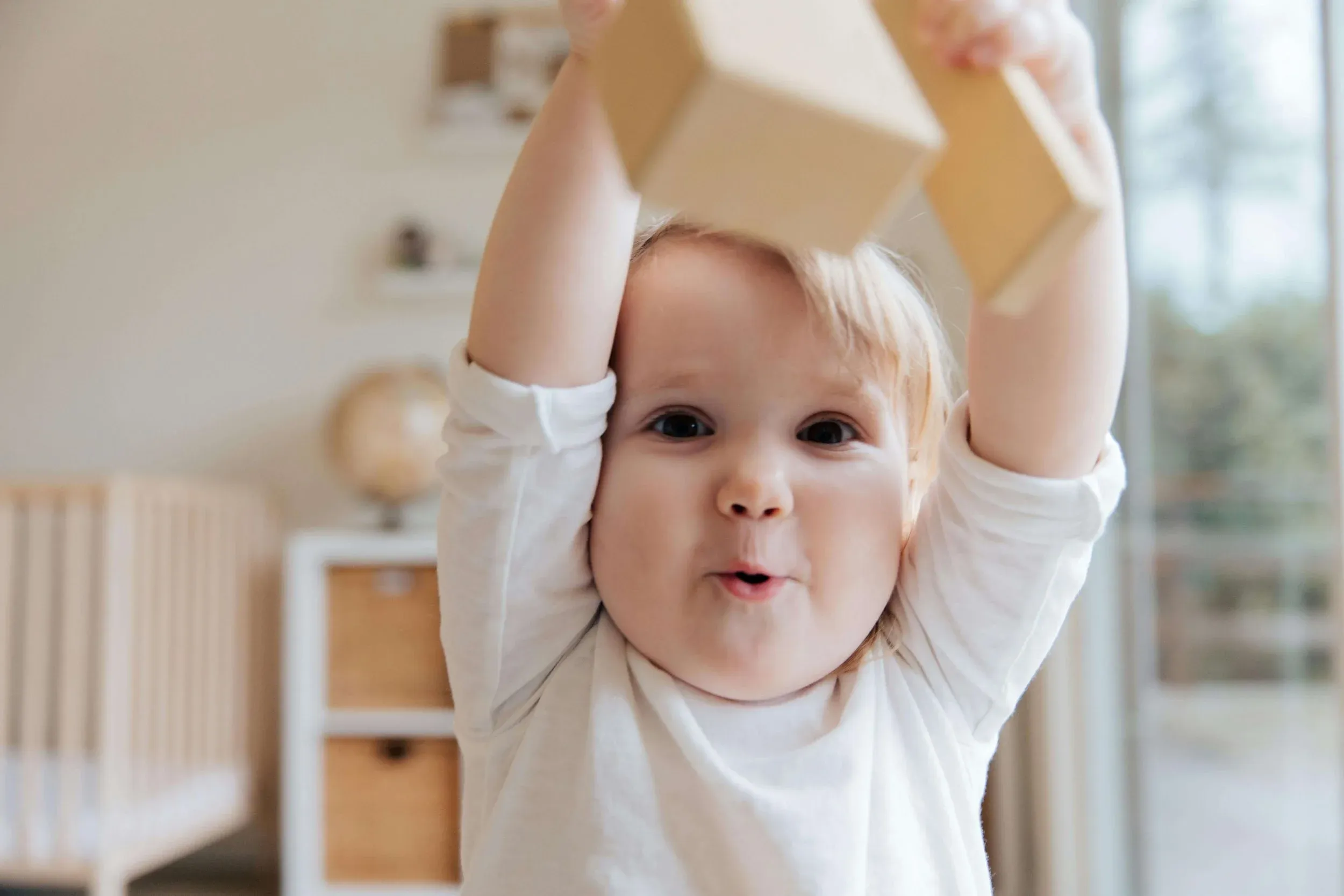
Anticipating moments in photography isn’t a natural talent reserved for experienced photographers, it’s a thinking skill that beginners can learn immediately. Most missed shots aren’t a camera problem or a shutter speed problem. They’re a timing problem caused by waiting for the moment instead of predicting it. This lesson is about developing the one mental habit that changes everything: reading what’s about to happen before it does.
Unit 2 · How Photographers Think
The Moment
You’re watching your toddler waddle across the living room toward the coffee table. You’ve seen this movie before. You know exactly what’s about to happen.
You grab your phone. Too late. They already grabbed the remote, turned around, and sat down. The moment you were waiting for passed while you were still raising the camera.
You weren’t slow. You weren’t unprepared. You were reacting instead of predicting.
There’s a difference. And it changes everything.
The Real Problem
Beginners wait for the moment and then react to it. That sounds reasonable. It isn’t. By the time your brain registers the moment, signals your finger, and the shutter fires — the expression is gone, the peak of the jump has passed, the dog has already landed.
Reaction is always late.
This isn’t a camera problem. It isn’t a shutter speed problem. It’s a thinking problem. And it shows up everywhere — the toddler on the move, the dog chasing a ball, the kid on the swing, the baby teetering on the edge of a first step.
Every one of those moments was predictable. You just weren’t predicting them.
The Fix
Start reading the situation before you raise the camera.
Watch your subject for a moment before you shoot. What are they doing? What comes next? Where is this going? A toddler moving toward something interesting is about to do something with it. A dog with a ball in its sights is about to explode. A kid pumping their legs on a swing is about to hit the top of the arc.
A toddler with a spoonful of spaghetti is about to make a decision you definitely want to capture. Trust me on this one. That photo lives in the graduation video. It lives in the wedding slideshow. It ends up in a frame on the wall that every single person who walks into your house stops and laughs at.
You knew it was coming. The spoon was loaded. The face was already deciding. One second of anticipation and you own that moment forever.
You already know these things. You’ve watched these moments a hundred times. That knowledge is anticipation; and anticipation is a decision you make before you raise the camera.
Decide what’s coming next. Get your camera ready before it arrives. Let the moment come to you.
In the Lab, we call this reading the room. You’re not waiting for the story to happen. You’re predicting the next sentence before it’s written.
The photo is made in your mind before it’s made in your camera.
What Come Next
This is Pillar 1 — Time. And it connects directly to everything Unit 2 has been building.
Light is a decision. Position is a decision. Background is a decision. And now — what comes next is a decision too. You’re not a bystander waiting for something to happen in front of your lens. You’re a storyteller who has already decided what the next beat of the story is going to be.
This changes the way you move through the world with a camera. You stop being surprised by moments and start being ready for them. The dog isn’t just running, it’s about to leap. The toddler isn’t just walking, they’re about to discover something. The kid on the swing isn’t just swinging, they’re about to fly.
Every subject is in the middle of a story. Your job is to decide what the next sentence is going to be, and be ready before it’s written.
That’s not a reflex. That’s how photographers think.
The Takeaway
The moment you’re looking to capture hasn’t happened yet. That’s the point. Get there first.
In the Lab
Try this: Pick a moving subject; a toddler, a pet, a kid on a bike, anything in motion. Watch them for sixty seconds before you raise your camera. Study the pattern. Predict the next interesting moment.
Then get ready before it happens. Finger on the shutter. Camera up. Waiting, not reacting.
Compare those photos to your usual ones. You’ll feel the difference before you even look at the screen.
Trust it. Trust Yourself. Go back if you have to.
—TMac. #shooton
