Gary Wiggins — Sports Photography, Turning Pro With Your Passion & Learning to Find the Story
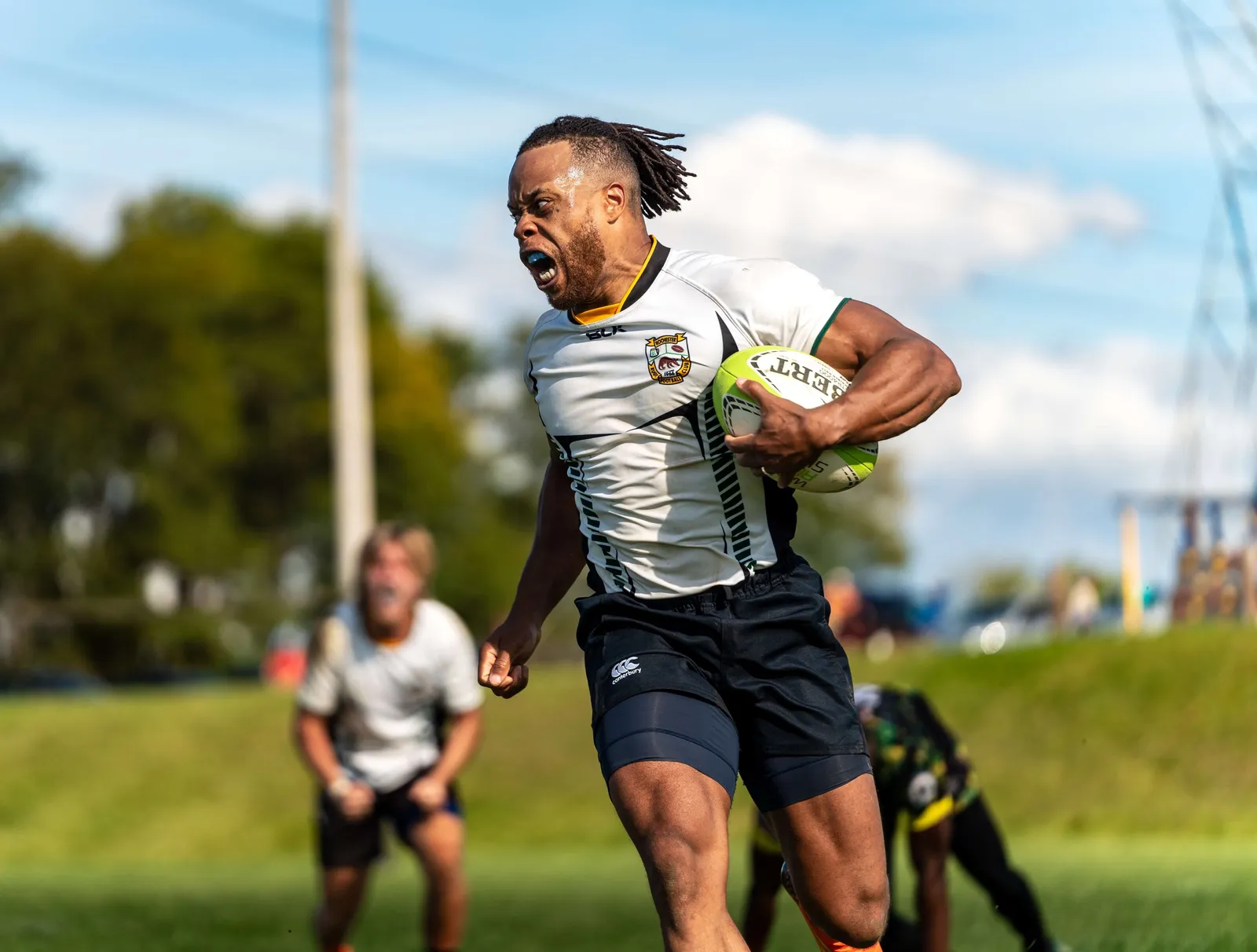
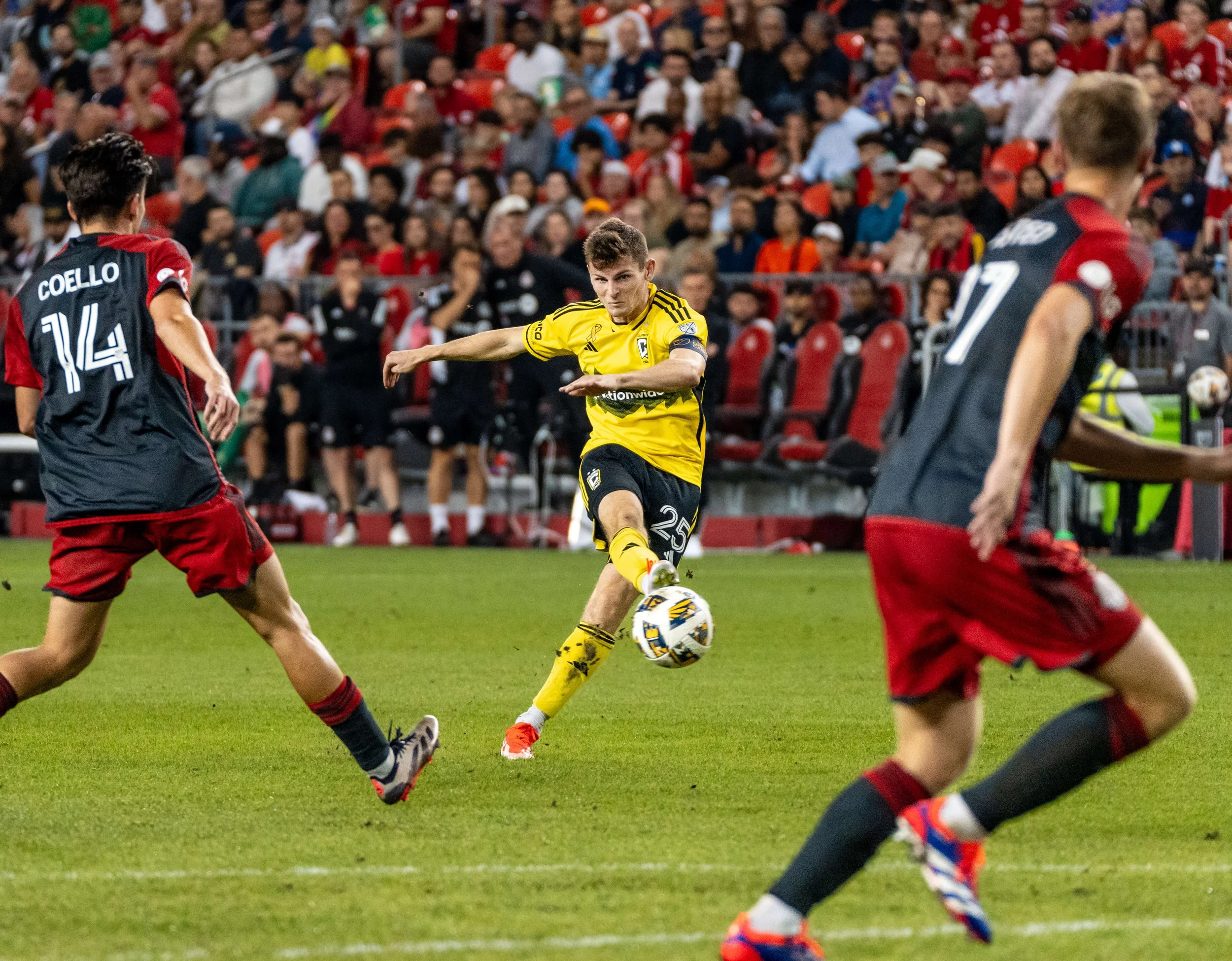
Clark Kent with a camera. Gary Wiggins finds the emotion every time. Photo Credit: Gary Wiggins Photography. Used with permission.
Gary Wiggins has a regular day job in data administration. He also shoots two to three sports games a week. Army veteran. Data guy. And a shooter TMac calls Clark Kent with a camera.
In this episode Gary breaks down how he turned a passion into a side career without quitting his day job, why he tells every beginner to rent before they buy, and why the best shot is often behind you.
Why It Matters
Most people think professional photography requires going all in. Gary’s story proves otherwise. He built real skill, real clients, and real consistency while keeping a full-time career underneath it. For anyone juggling a day job and a creative passion, that’s not a compromise. That’s a model.
About This Guest
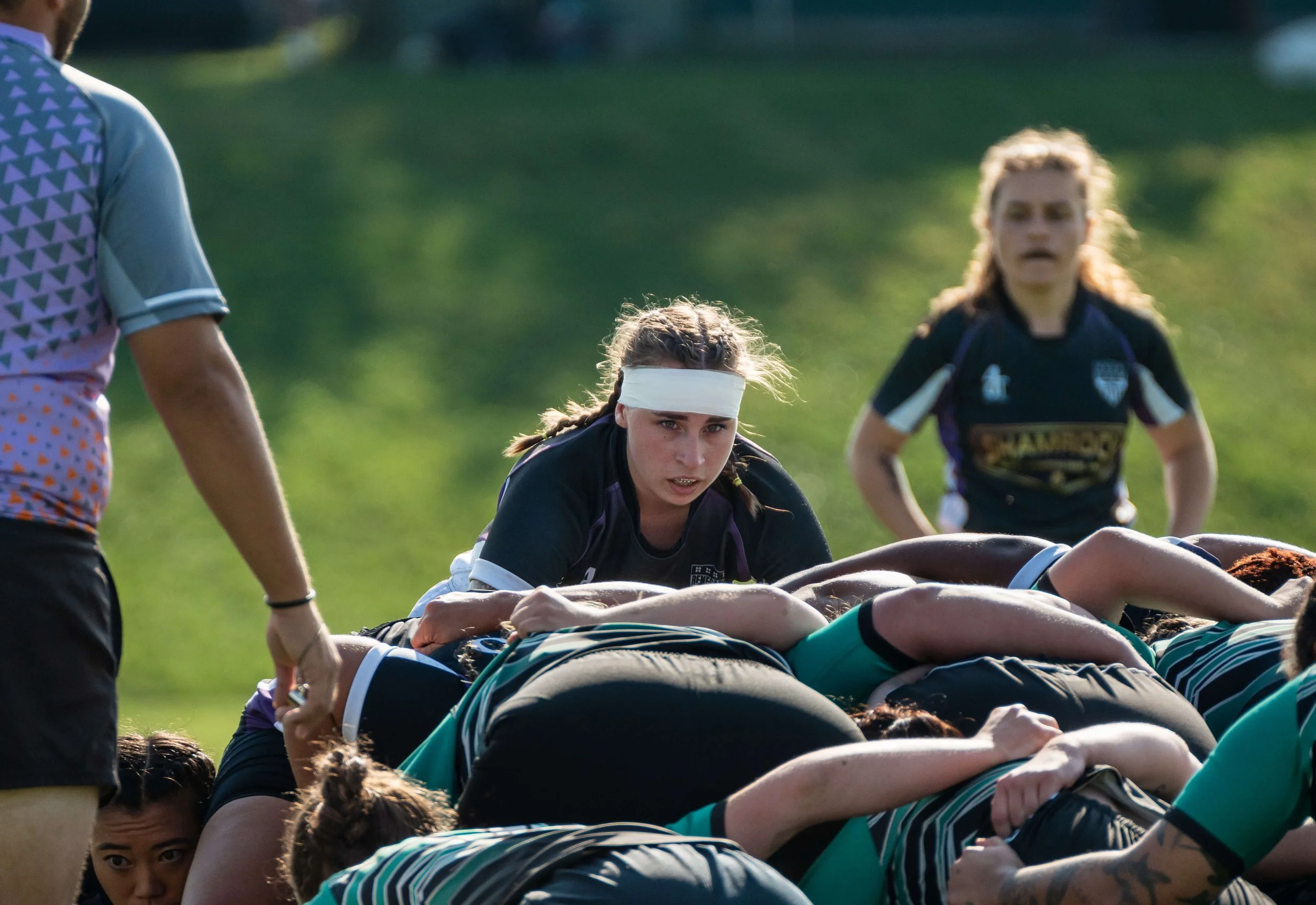
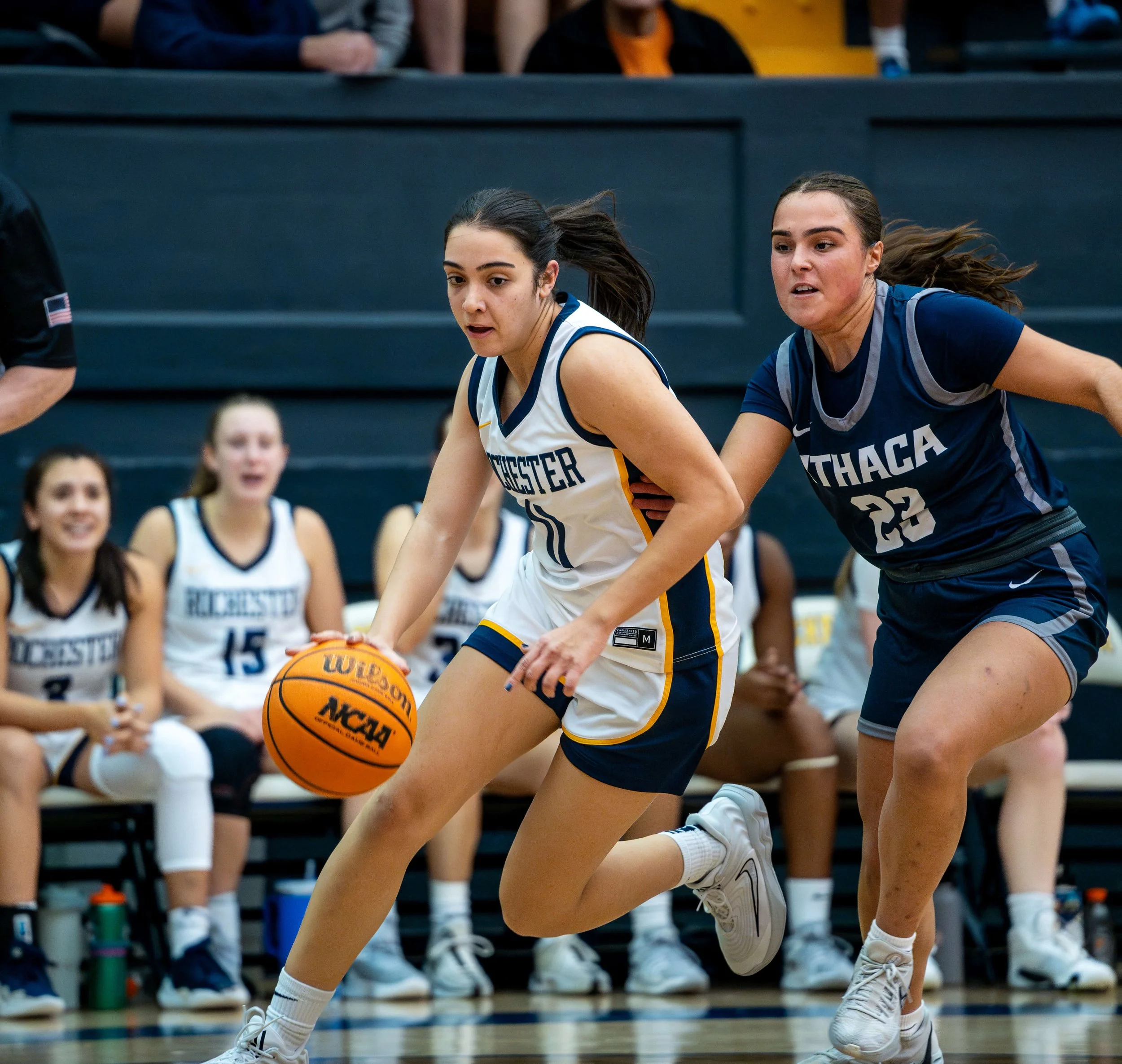
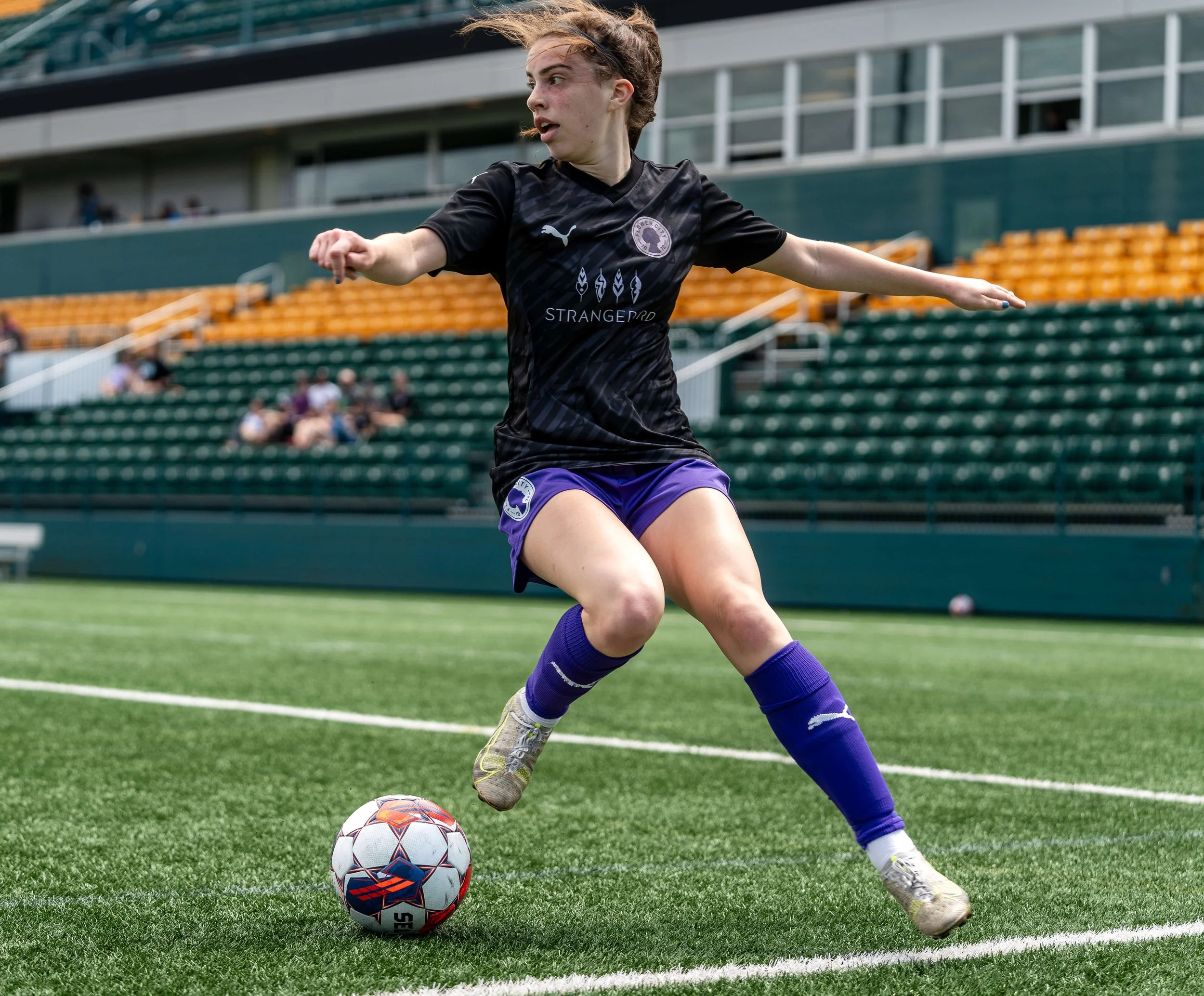
Gary Wiggins is a sports photographer and Army veteran based near Rochester, NY, shooting two to three games a week alongside his career in data administration. His work spans soccer and other live sports, with a focus on capturing both on-field action and the off-field emotion that tells the real story of a game. He shoots Sony and rents specialty glass before committing to a purchase, a practice he recommends to every beginner who asks about gear.
Gary’s Bonafides
“
It’s so easy and straightforward to rent gear, and they have almost everything you could ever want to put your hands on. Before you make what for many people is a massive investment, try it before you buy it.
”— GARY WIGGINS, SPORTS PHOTOGRAPHERHear This Episode
Watch Here
Episode Timestamps
Your ZoomPod — Exit Ticket
After this episode, you'll know:
- Why renting gear before buying is the smartest first move for any beginner
- How to build a serious photography career without leaving your day job
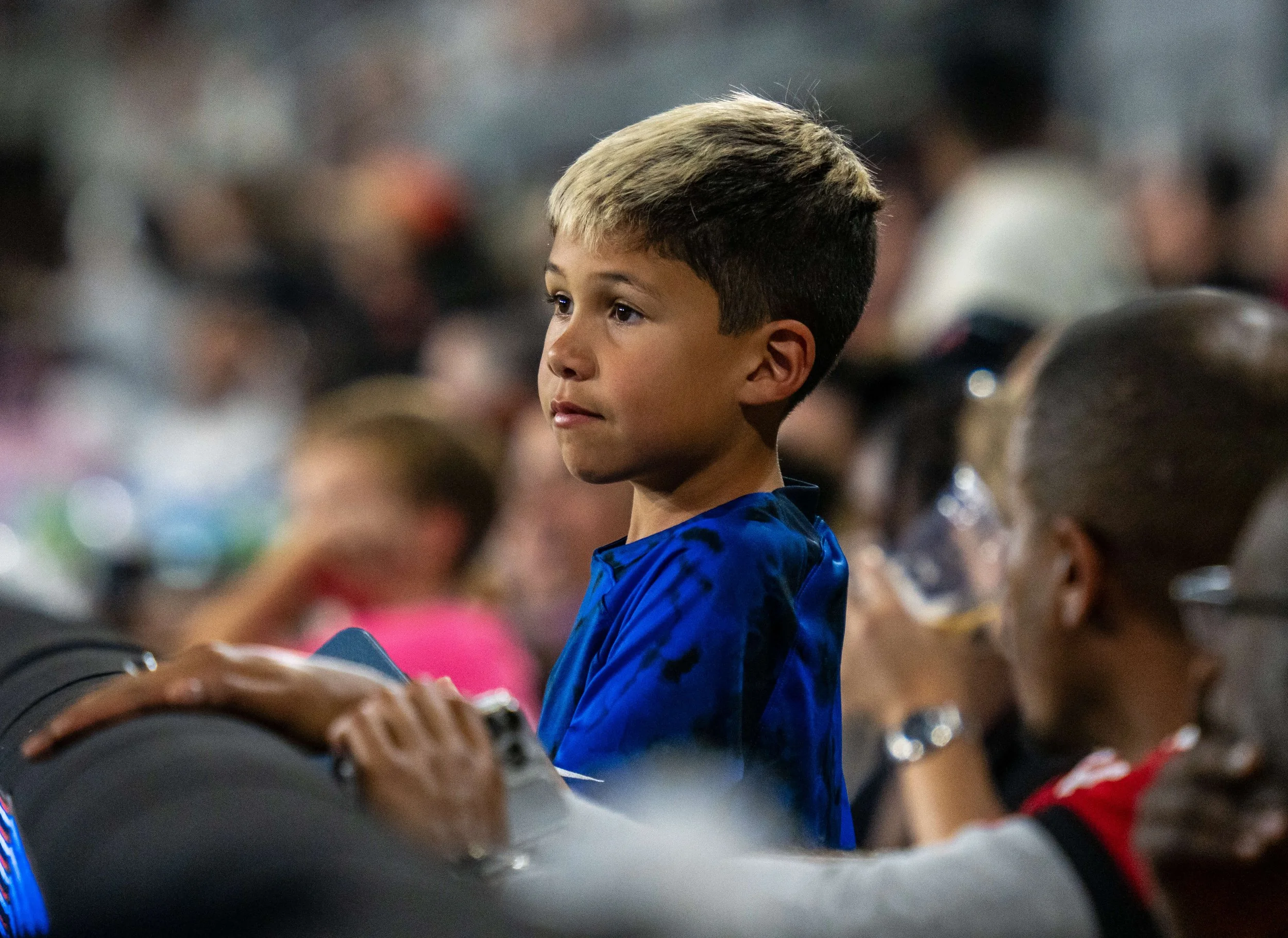
- Why capturing off-field emotion matters as much as the action shot
- What discipline from a full-time career brings to weekend sports photography
Gear & Affiliate Links
Trick out your kit, and your wardrobe. Both Adorama and SmallRig are having sales right now. Or wear your photography mood, grab a ZWOF set-wear tee shirt. If you use a ZWOF link, we may earn a small commission that doesn’t increase the price of your item.
Gary built a real photography career by showing up consistently and always looking for the story others walked past. Same instinct applies every time you raise a camera.
Stop Shooting From the Stands →TMac 00:11
Hello and welcome to another edition of the Zoom with our feet podcast, The Pod About Learning Photography. With me, your host, TMac, professional photographer, videographer, and teacher. I’ve interviewed a bunch of photographers for this project. I’ve come to realize that many of them who shoot for clients at the highest levels are not everyday shooters. Many of them, like my next guest, have regular gigs. By day, Gary Wiggins is a Salesforce administrator and data guy. But put a camera in his hand? That’s when he unleashes his creative energy. On this episode of the Zoom pod, I found another Clark Kent with a camera unleashing his image-making superpowers on the world. Our guest speaker is in the photo lab. Let’s talk to a pro. Gary Wiggins, welcome to the Zoom With Our Feet Podcast. How are you?
Gary 01:30
Thanks, man. It’s good to be here. Doing well, trying to stay warm like everyone else out here.
TMac 01:36
Yes, we are. Glad I finally caught you.
Gary 01:41
Yeah, no, it’s good to finally get to sit down and have a conversation with you.
TMac 01:45
Yeah, indeed. So I’m I’m always interested in photo journeys. That’s where I start. So let’s talk about how your photography journey started, and then we’ll get into your in your other work. How did you start in photography?
Gary 02:05
So I had a big break in time kind of between when I would do what everyone would consider like photography to start and now. Like growing up, I actually ended up shooting a ton of film growing up because that those are the cameras my parents would put in my hands. So I specul spent a lot of time shooting the old toy cameras, and then I eventually graduated and they got me a real 35mm, and I shot that thing until it broke. And by that point, like I was kind of onto some other stuff. Kind of got into video production for a bit, was doing some editing, was doing event like event like recap videos, things like that. Stopped doing that after a couple years, just kind of focused on my regular day job. And then kind of picked it back up. Was working with doing some marketing things with some soccer teams, got asked to shoot some things for social media on the website, and then I got asked to do it more and more, and you know, in the last like two years I’ve covered more games than I think I ever would have thought possible when I started just shooting with whatever gear I had left over from doing video work. So yeah, no, I’m I’m pretty much two to three days a week out shooting one of any kind of one of the high school soccer or high school pro soccer, amateur soccer, college stuff, and kind of work for a bunch of different publications now.
TMac 03:42
So back in the Jurassic photography period on film, what was the first camera?
Gary 03:50
I don’t I don’t even know. Like so growing up, like I don’t know if you remember this. At one point Fisher Price made like one of the really durable, you give it to your kids and they can throw it around the room and it won’t break, kind of cameras that takes the cartridges are about GA wide. They’re I don’t remember what the what size film that is actually, but it toy that was I that was actually the first camera I ever had. But like the first real camera that like would have been a point and shoot, I want to say it ironically may have been Sony or Olympus, don’t quote me on that. Yeah, it’s so long ago.
TMac 04:36
And because we’re all really self-taught, what were in those early days, what were you shooting?
Gary 04:48
Whatever was around, so I just I carried that thing around like you know, growing up like riding bikes with friends and stuff. I just carried that thing around attached to like the point and she was just attached to my wrist all the time. At least until I finally banged it against something and broke it. Because you know, kids. But yeah, no, I just kind of carry that thing around strapped to my wrist and then yeah, there’s the different places we lived or like wherever we were riding our bikes that day, like bike trails on the roads, saw something that looked cool and just take pictures. And you know, at the time you’re not really thinking framing or exposure or anything, you’re just kind of oh that looks neat, and then yeah, I have this many shots left so I can take a picture. So I wouldn’t say it was exactly well thought out, but yeah, that was that was kind of where I started.
TMac 05:37
Process It was learning a process.
Gary 05:41
Yeah, it learning some of the learning some of the like what you’re looking for and just kind of how to react to what you’re seeing rather than I don’t know, I’ve never been one for spending a lot of time like composing and moving people around and I’m more capture what I see kind of photography, for the most part. So I think that may have that was probably actually the beginning of that.
TMac 06:12
Were you starting to become more aware of photography? Did you start to look at photographs? Were you influenced by anybody? That’s sort of be part of the question.
Gary 06:28
Yeah, so it the closest thing to like actual photography I was really exposed to, and it’s funny because these are like these are still cameras I have now and still shoot with. My grandfather had a Pentax K1000 that took like all of the photos of my dad and his siblings growing up. Ironically enough, I just sent that thing out for like a $200 service and polish and replace all the light seals last year. But that those that was like the closest thing to actual photography we had. So a lot of what I was seeing was vacation photos and like pictures of places I’d never been. And so I wouldn’t say my family was especially like kept like art around at all, but it was it was pictures of like people at like at events at different kind of vacations, so more like capturing memories than like what we’d call like you know photography is like the big kind of term today.
TMac 07:32
How did you what I what I call the triangle, how did you teach yourself the basics? Walk me through so you’ve you’ve got the tool, yeah, you’ve got the interest. How did you teach yourself the triangle?
Gary 07:52
So I laugh about this. I feel like when you’re doing video, you learn part of that really well. But like right, shutter speed is a whole different conversation when you’re doing video for a variety of reasons. So I learned part of that while doing video, but the shutter speed part of that was different, right? Something I had to reteach myself when I started trying to figure out like sports. And you know, I when I was doing sports, it wasn’t anything fancy or over the top. Like I had the camera I bought back I bought when I got back from deployment. And so I it was Nikon and I had no idea what I was buying, so you know, slightly better than a kit lens, but not much, like f 3.5. So really, I mean not images I’m in any way like proud of, but like that camera’s like I used until my main lens, my main much better lens on that died last year, and I was still using that kind of in places. And so like getting a getting like a proper DSLR and starting to like go, okay, this is what I want. And for me, it was it’s always a lot of googling and YouTube to reteach myself anything. It’s how I taught myself a lot of stuff in video production, and photography didn’t really end up being much different for me. To watching videos and kind of messing around and graduating from you know the sport mode, the shutter priority, to finally shooting everything full manual and starting to lock in my settings. Beyond that, it was like repetition of doing it and seeing what worked and what didn’t, and being mad that I missed shots because I’m still mad when I miss shots. Yeah, that’s kind of that was how I went through it, and you know, some days feel like I’m still learning it.
TMac 09:47
Oh. Yeah, never stops. I always you know, there’s there’s this fear about manual, and I’m and I’m always telling people don’t be afraid. But know this, don’t let the camera decide. Yeah, you decide. That’s the beauty of manual. It is and it’s you’re saying I want to freeze. Okay. Then let me work that shutter speed until And how is it affecting the others and so on?
Gary 10:20
I think it is, but I also think there is like there’s something to be said for providing those steps into that. Like, if you’re just picking up a camera for the first time, having all these knobs and dials, and especially now, like I don’t I don’t know like which camera you’re shooting with these days, but like I know when I pick up my Sony, like the menu screen is dense. And so and the customization options are all over the place. And having all of that available at your fingertips with your first camera, like I see how that would be that would be intimidating. So having the ability to kind of step yourself there, and that ultimately that’s how I did it, right? Like you just slowly start weaning yourself, like, this isn’t doing what I want. I’m gonna go to this thing and lock in the one setting I roughly know will do the thing I want, and let the camera do the rest. And as you’re starting to edit and you’re starting to look at like the metadata and what are the settings it’s grabbing, you go, it did this, but it was exposing for this, this is a little too dark. I’m gonna kind of pull this back out and post. I still shoot raw, so I still give myself a lot of leeway to edit. I know that’s contentious, but I like kind of giving myself a little bit of leeway and saying it may not have gone perfect, but I can still get it wherever I want it. Yeah, so I don’t know. There’s something to be said for giving people like that step to get there and not just going, here, throw you in the deep and here are all your settings figured out.
TMac 11:52
Well, one of the things about the about the film cameras, I’ve I’ve got I think it’s an FE2 Nikon 80s. But it’s simple. It’s bare bones, but I taught myself how to take things out of the equation. So I knew if my ISO was set because of the film, then I’m dealing with low light, right? You’re you make decisions in increments. You take one thing out, and ironically, today I’m the same way. I get to a cloudy soccer game, I’m auto-ISO, and I’ll deal with the rest. I don’t I don’t wanna be wrong, so I would rather just let it chase me and move on, and that’s off the table. Yeah, I so yes, we talk about manual, but there’s different times where you can take one of them, at least one of them, off the table and go.
Gary 13:03
Yeah, and I ISO I think is always for most people I talk to are the last one to fail. Ironically enough, like I talk to young photographers out here in New York and out here in Rochester, and I explained to them, I’m like, you can you can learn on the gear you have is just fine, it’ll do great for you. I’m like, if you want to learn how to do this and you want to learn how a lot of us learn, like go pick up a film camera. I’m like, you’ll you’ll learn framing and you’ll learn exposure, like kind I mean, kind of the hard way, but it you know it’s the way a lot of us picked it up growing up, and there’s I think there’s still some value in like in the way you have to be deliberate when you’re doing film, I still think there’s value in that. And I for a ton of like non-sports things I do, I still actually enjoy that process a little bit more than digital, just because like you have to be so methodical and deliberate about what you’re doing and how you’re setting it up. It changes the experience, I think, at least for me.
TMac 14:03
When there’s not people running around, I have to sometimes remind myself, dude, you can lower the shutter speed.
Gary 14:12
Yeah.
TMac 14:13
Right. They’re not they’re not running full on at me.
Gary 14:17
I was doing I was working at a tournament the other day and I did the same thing. I was like, why do I still have this turned up to like one thousandth of a second? I’m like, I can shoot this at like one sixtieth and it’ll be perfectly fine because nobody’s moving.
TMac 14:34
And then drop the ISO. Hello? So yeah. Well that’s so let’s talk about your kit. You like me have lots of cameras on shelves. What’s your what’s your current kit and what are you using today to cover?
Gary 14:50
My primary camera is the Sony A7 IV. So quick backstory. I when I was doing video production, I picked up the original A7S, which I still have. It’s on its way out, but I still have it. And so I was already kind of partway in the Sony ecosystem, and when my when my 300 F3.5 old Nikon lens I was using finally, like the when the autofocus motor died, I’m like, I’m I’m just going to Sony. The mirror, their mirrorless cameras kind of they were first out there in their debate about whether them or canon are currently making the best mirrorless cameras, but like I had the Sony, so I went Sony.
TMac 15:40
So A74, what’s your what’s your glass?
Gary 15:45
So currently my workhorse lens is my Tamron 7180. I went there because it at the time saved me a bit of money, but it’s also lighter than a lot of the 70 200s. And yeah, I lose a little bit of reach, but considering the way you can APS C crop on the Sony, I it was something I was willing to trade with, and it’s not the best lens. There are times where it’s not really the lens like I’m going to, but that’s the lens you’ll most often see on there. And then more recently when I’m doing I mean primarily when I’m doing basketball, I actually have the Sigma 2470 2.8 art 2 lens. I absolutely I love that thing. If you’re standing in the lane for basketball, I love that lens. Like it just it looks so good every time you shoot it.
TMac 16:41
I just shot a high school at my high school where I teach. I’m kind of me and another guy are kind of the default nerds that come and shoot the games, and I have my 7200 and 2470, and then I’ll switch out sometimes for a little wide with the 1635. I shoot I have a couple of R62s, and then for my video rig, I use the R7.
Gary 17:12
Okay, yeah. Ironically enough, depending on the sport I’m doing, like you may see me out there with rental gear, like depends on the game. I’m I’m currently starting to add the bigger lenses in, so it’ll be a while before I get to the 300, 2.8. But I think the next one up’s the here in a couple weeks I’m gonna pick up a the Sony Gmaster 100 to 400, 4.5 to 5.6. I’d shot on that once last year, and that is actually like that focal range works so well when you’re sitting on an end line at like a in a pro soccer game. So when I was when I was down at the New York Red Bull game end of the season last year, they just redid the lighting at the stadium fantastic. I brought that lens, I loved everything I shot with that lens. And it comes with the added bonus that it’s not as much as the 300-2.8. So there’s that. I may pick up I may pick up the 200-600 to use as a rugby lens later because I shoot rugby as well, and I need find myself wanting a little bit of extra reach for that. So might later this year pick up the one of the G series lenses as well.
TMac 18:30
I have a shelf full of EF lenses. I never moved to the RF lens. I love the I bought the original R6. I had a I had a 30D and which was a pre-video. Did a lot of shooting with that and started the EF lens collection. So for me, it’s I love the Sony’s for video. Like I love the little FX3. Oh the ergonomics with the little handle.
Gary 19:07
I was doing I was doing event videography when I first got the A7S, and at the time there was nothing like that camera. Like the low light capabilities of that camera back in like 2014-2015 when it came out, there was nothing on the market that could touch it. And I was doing event videography where I needed to be able to capture images, capture video, where I’m only being lit in dim rooms with like color LED lights. Like I have no external lighting, I have no ability to carry it without like really distracting the people that were like at an event. So I needed to be able to run like really high ISOs and the A7S still like if the if that camera wasn’t having the problems it’s having right now, I would probably like take that gear and just give it to a high school kid. But sadly it’s I think I think I may have ran it in the rain once or tw twice too many times last year, and yeah, it crashes when I’m not looking at it, and it’s just you know, knowing what I know now, it’s not it’s not necessarily the camera I want now, but it’s still I still make good images with it. I still submit images from it. It’s just they’re not I can’t drop them as much, and they’re just they’re smaller files.
TMac 20:27
So this is a totally nerdy photography question. So we got we got cameras, lenses, you show up at a soccer game, you got your you got your kit. What is the one thing that you need accoutrement to in your kit that you can’t shoot without?
Gary 20:51
Could be tech, could be creature comfort for soccer specifically, and I only started appreciating this like halfway through the season last year. Have you seen the little collapsible stools here for like 20 bucks on Amazon? That yeah, I’ve I’ve been at some pro I’ve shot some pro games in the last year where I’ve actually needed that, where they don’t give you chairs, which I’m like, you have a how many billion dollar stadium and you can’t give me like a fold-up aluminum chair. Not gonna name names with that, but that has happened. And like I if I’m doing high school or if I’m doing college, like you’re never gonna get any type of seating. And the I the difference in how my knees feel at the end of one of those like amateur games or the college games or high school games when I have my stool, I think for twenty bucks it might be the best piece of photography gear I’ve ever purchased.
TMac 21:49
Amen to that. I have one, it’s around here somewhere. And I bring it to the crew games. I actually prefer it. Because the chairs have the little pads and then they got the side and my 200 was banging on the side of this black chair. Oh yeah, no.
Gary 22:10
Usually my the my camera my camera that I’m slung actually, I usually end up scratching the lens hood a bit because it’s like hitting the side of the chair while I’m moving around.
TMac 22:19
So this the stool is the bomb, and then I found one on Amazon that’s padded and it goes flat, but you push up and it clicks a back and I set it on the floor at basketball. Now I got my own.
Gary 22:37
Now I need to go find this. I’ll send you the link to that. I was at a wrestling tournament the other day, and one of the guys, one of the older guys was working for the region had one of those and I was like, yeah, when I when I’m going to be here for four hours, that’s actually the piece of gear I should have brought with me. That’s that’s that’s right.
TMac 22:56
They’re awesome. They’re they’re so awesome. And you can just slide your butt on it. That’s it’s just it’s so quick to spin on them.
Gary 23:05
Yeah, it’s so it’s such an easy piece of gear to just bring with you, just toss it in the car, and then if you get somewhere and you find out that you need it, I would yeah, I like I said I did an MLS game last year where I actually ran back out to like I had all my stuff loaded into the photo workroom and I ran back out to the room. Went out to get it. I well I went to like look at the photo at the working locations on the field, and I was like I looked at the security guy, I’m like, chairs? He’s like, what chairs? I’m like, got it. Alright.
TMac 23:36
I’ll be right back.
Gary 23:37
Yeah, it’s like so I yeah, I had to run out to run out to my car and pull it out of the back. But yeah, I every trip I go on, I bring that thing with me now.
TMac 23:46
Good call. So, alright, so we got gear covered. You got your lens, you’ve got wide medium covered as well. I love the rental idea. I tell people all the time, there’s always people posting, I want to buy this or I want to try this lens or whatever. I always have the same answer. Rent. Go on rent.
Gary 24:08
So locally, I one of the kind of groups I shoot high school sports with, there’s actually a lot of like high school kids at work with us. And so like I don’t know how I feel about this yet, but I’m like one of the three old guys. So that’s a weird statement, but here we are. So but we’re a bunch of the guy the kids are talking about oh, I want this, I want this, and like at the same time, like three the three of us that have done this for a while are like rent it before you spend any like rent it before you buy it. Like, I don’t care if it’s a lens, I don’t care if it’s a body you’re looking at, I do not purchase gear before I’ve rented it and used it in like a live situation a couple times. And then, you know, of course I’ve got I’ve got you know I can give you a referral code and you know I get a little bit whatever back on that, but like you don’t like I cannot say this enough to people, like it’s so easy and straightforward to rent gear from companies now, and they have almost everything you could ever want to put your hands on before you make a what for many people is a massive investment. Yeah, it’s the same conversation I’ve had with a lot of kind of younger, kind of up and coming photographers around here. It’s like try it before you buy it, because once you have it, it’s really hard to get it back, and you’re not gonna get your full value, full value of your gear back after you buy it.
TMac 25:32
Talk about a typical assignment. Is it a freelance gig, work for a team, little of both? What is your work spectrum these days?
Gary 25:46
Yeah, so I’m kind of all over the place. I freelance, so there are there are a couple kind of local adult amateur soccer teams where I’m freelancing, but I essentially function as the team photographer, including occasionally needing to run media days now, which is not a skill I ever thought I would need, as primarily a game day photographer. And then other couple publications I shoot for. So when I when I do MLS, Canadian Premier League, everyone’s probably noticing this is heavily soccer-based at this point. But when I do those, I shoot for one publication. When I do high school, I’m shooting for a different publication. And I shoot college for a third publication. And high school and college is kind of local here in New York, and then the MLS stuff is more kind of regional.
TMac 26:39
And when you say publication these days, you’re talking web.
Gary 26:43
Yes, two of them are web publication. The third is web, but will do joint publication stuff to some of the TV stations in the area. So I’ve actually had some of my some of my local like high school football playoff stuff end up running on like story the next day. Yeah, basically I met the guy that was running the local package. He’s like, I don’t have my camera with me. He’s like he’d turn and looked at my editor. He’s like, Can I get like three of these for tomorrow? And he was like, Yeah, and he’s like, Yeah, I’ll give you credit on it. I’m like, all right. So yeah, I’ve had more times than I ever thought would happen in the last year. I’ve gotten stuff that just popped up in random like publication. So it’s been kind of cool.
TMac 27:29
Another question I get a lot, and I love asking working photographers this question, is it’s a process question. So you know, when I coach people because one of the coaching photography coaching things that I do is I’ll take you to a sporting event. You want to see a sporting event? Okay, minimum 7200. Fast frame rate, let’s go. And so then it’s more here’s the process. So I love asking working photographers what’s your process. You show up. You mentioned briefly you went scouted where you were going to shoot from, the shooting location. No chairs, boogie out to the car, brought the magic stool back. I mean let’s start there. There’s logistical issues that you gotta work out at every event. Where’s the light? Where’s west, north, right? All of that sort of generic stuff. But whistle blows, soccer game starts, what’s your process for coverage?
Gary 28:42
So it’s if we’re talking pro stuff, my process looks different just on its surface because like in there is a scale there you have to capture. So I actually typically pro games, I actually start prepping and reviewing, like say we’re doing MLS, and I because I watch MLS, I have the Apple TV season pass thing. So I’ll actually start a couple days ahead of time and go in. I’ll I’ll start looking through like if my editor sends me any like must capture list, I’ll go in and like look at is this start or are they coming off the bench, what time do they usually sub in, because that’s those are details you can easily get now that we have people that track insane level of stats. But so I like I’ll go in, I’ll look at like highlights packages from like the week before, I’ll look at the media briefing emails I typically get. If you’re doing MLS games, you’ll get usually the day before, you’ll get like a media briefing from the team with some quotes in it, and I’ll I’ll look through that. And then it varies, right? Beyond that, if I’ve been to the stadium before, a lot of times I won’t like go walk the field ahead of time. That’s just me some it gives me a little more time to kind of get stuff pulled together and like pull up any last-minute information. But if I if I haven’t been to the stadium before, I’m like going up, dropping my stuff, and the second they let me on the field, I’m going to like walk to wherever I want to work and see what’s their things like what’s what’s the shooting position look like, do I have a chair or not? That sounds like it’s a ridiculous thing, but like knowing do I need to bring the stool out is a thing, and that’s how that happened last time. And then also like some of the MLS stadium many of the MLS stadiums have you nicely partitioned off from both the fans in the field, but I’ve I’ve been in a couple where I go to the look at the shooting positions and I go, oh, I’m going to have fans walking like right behind where I’m working. So things you do when you have don’t have fans behind you, like just flipping your camera and monopod upside down, leaning in on the LED boards, if I want to walk and take pictures of the crowd, I’m not gonna do that now. And so all of those things change kind of what my approach to the game is gonna be. And I try to I try to figure out what the like things I didn’t know were before the whistle blows or even before the players get out on the field, because I usually like to be sat in a spot while basically at the point the players are coming onto the field for warm-ups, I are like to kind of be set up and ready to go. Or maybe shortly thereafter if I’m fumbling around with settings. But that’s for pro games, that’s typically how I how I work. Now, when I’m doing college or if I’m doing high school, the rules are a lot more lax, like there’s no one going to be checking whether I’m credentialed to go to a spot on the field. So for that I a lot of times I’ll just I’ll just show up and shoot. And then the everything in between, right? For the adult amateur stuff around the team photographer, I have some of the backstory stuff kind of in my head because I’ve been at the games. And I can talk to usually marketing director, general manager about like, hey, is there anything specific you want out of this game? Usually the answer is no, but occasionally they’ll say, Hey, yeah, this is happening, or this player is coming back from injury, and then those become things you look for during the game as kind of part of telling that story of what happened in the field in front of you.
TMac 32:25
Assignments.
Gary 32:27
Assignments are usually nice to have. I’ve had a couple where it’s like, I need these five players and only these five players. I’m like, oh, that’s gonna make this interesting.
TMac 32:41
I at the crew games we have one end that we are allowed. We are allowed to go along the side of the one end. They’ve got they’ve got folding chairs right up against the LED, back of the LEDs, but they do have every 15 or 20 like a three-chair hole. And man, that stool is great. Plunk that thing down.
Gary 33:11
Yeah, I’ll tell you, I’ll tell you what’s been crazy. I so like one of the things I’ve taken to covering in the last year and kind of bugged my editor until he said yes, was Canadian Premier League. I think a lot of what they do there is really cool. But one of the things that’s interesting is some of the photo positions you get in those stadiums are super interesting, is the only word I have, based on like where you are allowed to be and not. And so those force you to sometimes be creative in the way you frame images, depending on exactly what you’re there to cover. I find it a really fun challenge. And like I said, I’ve had nothing but good experiences working with like all those teams so far. But yeah, occasionally you get in you look at where the photo position is, you’re like, that’s not where I would have put that, but okay.
TMac 34:10
So I will I will change so I will start in the end with crew coming at me out by the outside of the box so I can still get some angles towards the goal. But once we hit halftime I will I like to go around to the side just because it varies the look in my set of photos. -huh. But also I feel like I can get as you said, I think some of the best pictures are from the sides towards the goal. You get the so the ball going in, goalie down, and that person kind of rounding the corner after the goal. There’s some of those angles you just can’t get from an end zone. You get the face, yeah. If you’re lucky, you get the slide. You know, Cucko scored a goal in the Kaka Cab game and literally ran right at me. I love when that happens.
Gary 35:13
I love when that happens and my camera is actually focusing on the right area because I’ve I’ve had that, and then my camera decides something else is slightly more interesting. Yeah, I’ve had that a couple times.
TMac 35:27
It was awesome. Yeah, that’s so much fun. It’s it’s it’s like, yes, that’s that’s cool to be on the end line for that kind of stuff and reactions near the goal, but I like to get out around I don’t know how you feel, but I try to vary the I think about the set of pictures and what I’m limited to. Yes, you can get the far end. I have a 300, but you know, it’s still pushing it way down there. And sometimes you can get some stuff, but I like to kind of vary my positioning. Some venues lend themselves to that, others.
Gary 36:10
I was about to I was about to say that, and I was like, I’ve been in venues where I can do that. And like when I’m doing like adult amateur stuff, I the way I approach games. Well, when I have like free reign of the field, I approach my shoot if I’m trying to just shoot for coverage, I shoot completely differently than like a pro game where I’m like, these are the acceptable, these are the positions I’m allowed to work from. If I try to go anywhere else, I will have a security guy telling me otherwise. Like it’s two different headspace, and I’ve I’ve joked with some of my friends here that I actually think eventually I will get to the point that I think Tamron makes what I consider probably would what would be the best all-in-one lens for like amateur soccer where you have that kind of access. So college, so you know, adult amateur, high school. They make a what was it, five one eighty, thirty-five two hundred, something in that range. That’s a two to two point eight. And I’m like, when I have the other lenses I need, I think for doing all of the local stuff, I think I would actually switch out to doing that. Because that would give me all of my everything I need in that range, and I can almost I can almost run it on one camera if I wasn’t looking to shoot like downfield and get pictures of you know defenders running the ball up or something.
TMac 37:37
I keep the 7200 on a sling. Yep. And if I’m in the end line as they as they come at me, I’ll squeeze off some quick ones with the 300, but I just I do the same thing. I’ll lean it up against the thing and bring the 200 up for the for the closer stuff towards the end line. Yeah, I’ve I told I totally.
Gary 38:02
That’s a whole skill that I’m still working on perfecting, is like my timing of switching from my big lens to my 70, my 70, 200. It’s it’s why I bought it. It’s ironically enough, it’s why I love that 100 to 400. You give up a little bit in light in the camera, but that one the 100 on that give gives you the ability to be a lot more like it’s more forgiving as they’re running at you if you don’t nail your timing. And I like I know there are photographers that would call that you know heresy and just like learn the skill, but sometimes I just you know take out an insurance policy against myself and make sure I have the gear I need to do the thing I expect myself to do.
TMac 38:48
Alright, so game over. Let’s talk post-production. What is your tool of choice?
Gary 38:56
So for now, once again, I have a an interesting workflow. So I’m I’m one that mostly for not wanting to fight traffic reasons, I stay basically until they kick me out most of the time. So I go into the workroom and I put everything in Lightroom and I start, but I edit on my iPad for games because it’s easier to bring something smaller into the stadium when I have so much other gear to keep track of, it’s easier to bring in kind of a smaller device. I’ve had a lot of guys are looking at me like, what are you? I’m like, I’m gonna finish it, I’ll finish it at home on the Mac Pro, but I can edit on the iPad because of the cloud. I can just open it when I get home and then everything’s there. I can do whatever denoising I need to do there. But it allows me to get a jump on it. And I don’t know if you’re you’re on Canon. I don’t know if Canon lets you do this. I actually, and this is kind of a bad habit. I actually, if I had a break and play, I go through and scroll through my images and rate my best images on the field so that I’m picking what I think at the time is are my best shots while I’m like watching it happen. And then I pull those I pull those ratings up inside of Lightroom as kind of that’s how I get my edits out quick after a game is I know what my best images are.
TMac 40:20
Do you have a set button to rate?
Gary 40:23
Yep, I have a preset. I’ve two custom buttons right behind my shutter that I have programmed. One is for adding star rating, and the other one’s for doing APS C crop. And I have those two buttons like right behind my shutter, so I can just literally just roll my shutter finger back, hit it, and go back to what I’m doing.
TMac 40:42
I love this idea.
Gary 40:43
Yeah, I so it’s completely changed my like my entire post-processing workflow. The ability, and I know I know like going through and like reviewing your images on the field is a bad habit, but if I hit a break and play, it saves me so much time on the back end when I’m trying to get when I’m doing pro stuff, I have a very you know, we have a very forgiving kind of time frame. They need the shots by the next day. But my ability to get through that and put out 20 to 30 images by the next day that I’m I’m I’m actually pretty happy with has really come down to the fact that I can rate my images in camera, and then I know what I once I get everything uploaded, I just put a filter on and I only look at the ones I thought were the best at the time I shot them. Occasionally I go back after the fact and looked. I’m like with looking at it on a screen, I would have chosen like two frames before, but it saves me time when I’m on a time crunch.
TMac 41:44
Well, that’s it’s so interesting you say that because I met someone at a venue one time, it’s like half time of a soccer game, and I see him sitting on his little collapsible stool, but he’s got his phone, and as I got closer, he’s got a dongle hanging out of it, and he it’s a well at the time it was Lightning II SD. So he pulled he pulled the card in the adapter, in his phone, he’s got full Lightroom capabilities, and he’s just essentially doing the same thing. He’s picking out the dozen and then doing a doing a quick horizon check and a filter and a maybe you know something preset and boom and he’s emailing clients at halftime.
Gary 42:38
So I do I don’t I don’t email them out, I do something similar. I have one client that always wants halftime and full-time images for their social media graphics. So one of the teams I where I basically function as the team photographer. I actually use the app on my phone. So I basically I can pull the image up in the camera. I have a when I’m in review mode, I can I have a button I can use to send the image. And so I pull the app on my phone, I tell it to send the image to my phone, and I instantly pull it into Lightroom. Same thing, horizon check, quick crop, put a put one of the kind of presets on it and just give it a quick color. It works well. I don’t it the thing when you’re on a screen that small I find is like occasionally I look at it and like it’s not I find out after that it’s not like tack sharp. Because these are this team is an indoor soccer team, so I’m dealing with poor light when I’m shooting, anyways. So it occasionally I don’t know that I get the image I would have necessarily chosen on a computer. But when I need to get it out of my camera, out of my phone, and onto social media manager so they can do their halftime graphic package. It works. It’s a pretty good workflow.
TMac 43:55
So the so the iPad screen is kind of a good intermediate between the phone and your and your big monitor. But I love the idea of sort of culling the cull.
Gary 44:11
Yeah.
TMac 44:12
And coming up with that sort of you set it well, saving time at the back end. Yeah. It’s a great strategy.
Gary 44:20
It is like there are a bunch of cameras that don’t do this. I’ve talked to a couple guys at shoot Sony that also just don’t use this feature at all. And I think it comes down to the way you’re kind of post-processing workflows. Like those guys are typically running photo mechanic workflows where their job is actually embedding metadata, not necessarily editing the photo. I still have to do both. So it for me it’s worked really well when I have quick time timelines to turn around because otherwise for most of these teams I’ll be like give me a day or two and you know I get you 40-50 images in like a day or two. It’s easy to turn around and I’m I’m used to doing the volume at this point. But when you need when you need something quicker it works really well.
TMac 45:09
Amen. So specifically in sports let’s talk composition for a second. How aware are you of composition and where does that fall in your process while shooting so I think of composition based on the types of shots I get from certain positions on the field.
Gary 45:45
So like as I think about it in my head it’s it’s a visual kind of I know I will get these things from this spot. And soccer is one of a couple sports I can do this in because I’ve done enough of it. So I don’t know that I’m as I’m taking images I’m as aware of the composition. I’m usually trying to get the entire player in the frame make sure it’s make sure it’s at focus make sure I’ve got my focus point on the right spot on the image depending on like if I’m if I’m trying if they’re coming down the kind of the sideline and I’m trying to give them some room when the ball plays in I’ll shift my focus point over a couple a couple spots that’s how I approach it and I once again I don’t know that this is an approach I’m going to stick to but it’s funny right so I working with Gary I’ve started doing some higher level stuff in the last year then that comes at you a lot faster than anything I’d shot before. So some of that is just like needing to be able to react to the speed of the game in front of you. And I do think about it a bit differently when I’m doing amateur stuff because you have time to think as the play is developing where when you know when we’ve been out and I covered one of the European friendlies last summer in the in the United States that comes at you so quick that it doesn’t at least for me at the time didn’t feel like I had a lot of time to think about anything but get it in frame get it in focus. And I can worry about it and crop it later but in frame and focus is kind of what my brain’s doing as things are flying at me.
TMac 47:35
It’s interesting about composition when I deal with students because what you said is so true about all the other things and what you’re thinking about while that sequence is going on is happening but you’ve shot enough soccer that I feel comfortable but that I see that sequence coming and I feel good about being ready let it happen and then I don’t think that horizon gets enough love and when I talk to students and those wanting to learn and I start talking about horizon they look at me kind of funny and I go you know let me show you a couple images.
Gary 48:34
I always fix for it. I always make the adjustment to get it’s and I’ve I’ve made the adjustment to my like my display in my eyepiece so that I have the one of the things I’ve started trying to do to correct for some of the horizon stuff is I’ve actually I’ve put the gyroscope in the camera where it shows me if I’m level or not and I try to like I add that to the list of things I’m checking as I’m shooting to make sure like I’m not leaning if I’m leaning I’m like adjusting the camera back. Because yeah I found when I first started doing the faster games I found a lot of my stuff was coming out of really some really interesting angles and sometimes ones I couldn’t even correct for.
TMac 49:18
And so I yeah I started really paying attention like adding it to a list of things I have in my like in front of my eye as I’m shooting it’s you know it’s another thing to check and as I’ve done more of it I’ve gotten better about doing that it’s it’s just something that like you said I’m almost that’s the first thing in post I’m looking for I can go through and just correct them and then it’s like okay now I’m ready and I could deal with it’s the very first crop and horizon are like the first two edits I make when I touch a photo.
Gary 49:59
Like I don’t I don’t do anything else until I get those two done.
TMac 50:04
I think our journeys into shooting more higher level stuff are sort of mimicked recently because of our friend Gary. Yeah but I want again I’m all about teaching and I and so I want to ask all the folks shooting at high levels what’s what is the one thing sort of not in a textbook that you’ve learned that you would tell someone who wants to shoot at action and sports that they need to know. You know we’ll we’ll include horizon in that but what else so I’ll do I’ll do it as kind of two answers.
Gary 50:57
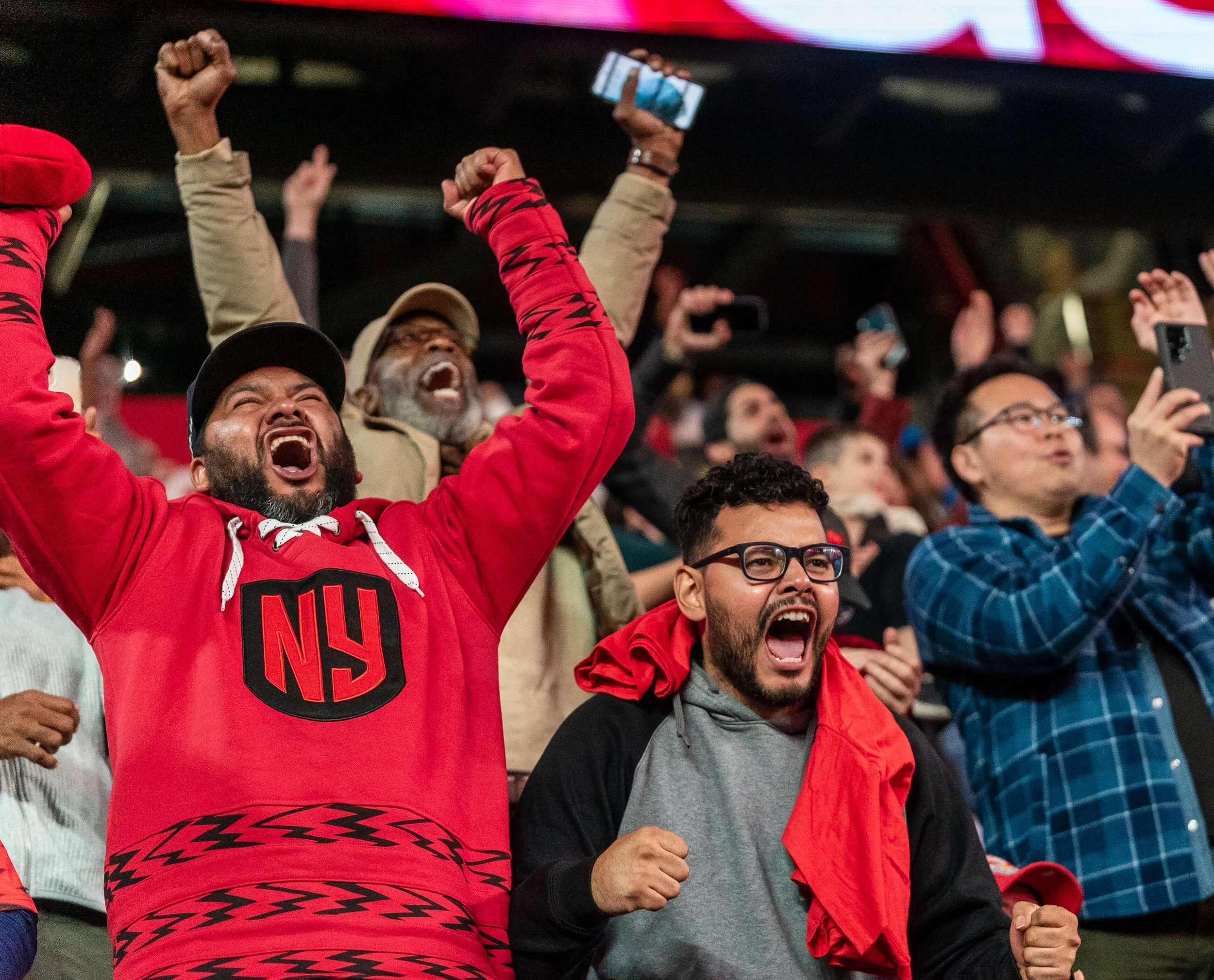
The first one is like it’s all about a story and emotion and so I’ve had a lot of like younger photographers I worked with like I learned from another one of our mutual friends very early on while I was doing starting to do photos like if there’s if there’s no eyes and no ball you don’t have a shot like it’s no eyes no ball no shot and there are times when there’s exceptions to that rule but generally the rule is eyes and if you’re playing a ball sport or if you’re doing hockey it’s the puck or eyes and the and you need a ball in the shot to give you context for what’s happening in an image. And so I’m always very deliberate I’m constantly like looking and it’s one of the reasons I actually love the Sony camera despite some of the other issues with it. The eye detect autofocus on that like the first time I shot with that just blew me away. I rented it for a series of games I was doing it just absolutely blew me away how much better coming off cameras that did like the old contrast autofocus how much better that I detect is and how many more shots out of a set I’ll get because of it. And then the other one is like God no go ahead. I was saying the other thing don’t always watch the field like it sounds counterintuitive but like at any level but especially the higher levels like some of my favorite shots I’ve grabbed in the last 12 months have been like fan reaction shots to something whether it was because there was a penalty and I was on the wrong end of the field and so the only thing I could do was turn around or taking pictures of like kids with their parents in pre-game if you do that make sure you get the name of their parents you can send them the photo have it I learned the hard way. Pro tip. Yeah pro tip. But like the story going on around you is not only on the field it’s it’s the venue you’re in if you’re lucky enough to be able to kind of walk up into the stands and get the big like wide angle shots of the stadium. It’s about the people in the stands traveling fans like listen for the things going on around you because those are some of the best and like I think most compelling images you’re gonna get are not necessarily always of the athletes but of fans of parents of significant others of coaches you know losing their mind at the ref. Like that stuff is all also part of the story and stuff that a lot of times people either don’t capture or stuff they don’t think to send over and I think kind of is impactful in telling the story of what’s going on in front of you.
TMac 53:48
During one of the crew games the goalie got red carded and because of a roster shuffling they didn’t have a backup I know which game you’re talking about and the starters were all off during that time when if they’re on an international team they’re out so I look across the field and I see a defensive player putting gloves on. And whatever my plan was for that game I’m like he’s a story. He’s a story now and fast forward to you know I don’t know if it was six nothing or four nothing but he got chill act and at the very end I was just totally focused on his reaction after every goal you could see the weight of it starting to just come down on this guy. And he was you know he was taking it for the team and at the very end and it was the shot I waited for he was in the goal hands on his hips and I was so focused on him and I was watching him and what he closed his eyes and he put his head down boom and what I didn’t realize because I was so focused on him after I got back and I looked there were some fans in the back that had signs up two signs two words good grief and I was like oh my goodness I never saw it I never saw the background but it worked together as a whole I felt so bad for the dude but it’s like I stalked him for the last six minutes of the game for that moment and sometimes we just we just do that. That’s the story that was the story of the game didn’t matter to me what the score was well maybe you’ll find this too I guess good time to turn a question on you.
Gary 55:56
I find that in the last 10 to 15 minutes of the game I if I’ve gotten the shots I’m looking for I that is when I typically like will try things I’ll set I’ll set the big lens down and just kind of hand haul and walk if I’m in a place where I can do that and I’ll look for shots I wouldn’t have gotten any other way. So it’s I don’t know if this is a thing you do as well. I don’t like I know guys that stay glued to their chair for the entire game. I kind of like once I know that I’ve gotten whatever I’m gonna need for whatever my editor needs I kind of like moving around and like looking for things. Sometimes it works sometimes it doesn’t which is why I leave it towards the end.
TMac 56:38
But yeah I think there’s always that bit where you’ve got to leave the ability to like stumble upon something you wouldn’t have found any other way exactly and in the TV business it the color shots is what is what they call those and so I’m I agree I’m always looking for color emotion faces eyes I’m a soccer for kids and soccer and you know the cruise crowds are just crazy but I always love the families and the little kids and the and seeing this spectacle it’s a spectacle for them it’s just whoa and to try to capture that sort of yeah he’s hooked she’s hooked it some of my favorite stuff that I cover in a given year and like I always go back at the end of the year like what you know what are some of my favorite things and it always ends up being like player interactions it kids just like yeah wide eyed in the stands or kids where like they were sitting in a supporter section and they like they walk by the drums and the guys let them like play on the drums during half it’s it’s that kind of stuff and it’s like I think specifically in soccer it’s different in a lot of other sports but s specifically in soccer and specifically when you’re doing it at the like pro level like that I think that’s actually the story.
Gary 58:18
The stuff on the field’s great everyone’s an amazing athlete whatever but like it’s the like it’s the memories that are being created watching it and I that is where I tend to like fall on like stuff I actually love shooting when I’m doing it.
TMac 58:33
It’s not my point of focus for most of the game but like when I get those I’m I’m thrilled and so yeah I like if I find a break in play and I happen to look and there’s a kid standing like you know down the sideline from me I grab a quick picture and sometimes it works sometimes it turns into nothing but I do like grabbing those so let me end with this I always say and I’m unabashed I tell people that for me photography is good for the good for the soul what keeps you what keeps you going what does how does photography make you feel so photography is what I do as a creative outlet for my every for my day-to-day life right so my day job I’m a Salesforce administrator so for people that don’t know what that is I build and administer a database for a company I also have a background in marketing I did that for a while that’s very systems and kind of data heavy the marketing is more creative but ultimately like with what I do now it doesn’t I don’t end up getting to have a creative outlet.
Gary 59:51
So for me it’s it’s the way in which I’m able to create something it’s also become a great way for we recently moved here to Rochester it’s been a great way to kind of meet people in the community that are into sports so we at least have that in common. So I you know I’ve made some good friends since we’ve been even since we’ve been here just covering sports and so and I tell people all the time when it comes to like the pro the pro soccer stuff I’m like as much as I can go do that like there is something to be said even when you’re a photographer and I tell people like even when you’re in the zone like the roar of a crowd after the goal with like you know 18,000 fans around you 2000 fans around you 3000 fans like that sound even when you’re kind of in the zone and focus on what you’re doing is just it’s infectious. So when it comes to that stuff I don’t know that there’s like quite a feeling like even just working those games at least not that I’ve I’ve run into so like that kind of stands as its own thing. But yeah for me it’s it’s a way to be creative a way to get to meet people that are interested in roughly the same things I’m interested in and you know when I’m doing high school stuff here it’s sometimes a way to allow athletes that wouldn’t you know necessarily have access to photos of themselves like at like that look like that. It’s a way to help them see themselves in a way that they may not be able to afford or may not be able to have had the opportunity to see before. So there is something to be said when you’re doing younger athletes in the way like the way their eyes light up when they see that shot of them scoring a goal or I recent I’ve been doing a lot of wrestling this winter when they when they you know they swept some kid’s leg out and have them flipping over them on the mat and you get the like limbs going everywhere in the shot like the way they light up when they see that’s really cool as well.
TMac 01:02:05
You were also a veteran sir what branch? I spent nine ten years in the army doing construction so carpentry masonry some electrical and plumbing in there so yeah tearing down buildings and building them somewhere else basically thank you for your service yeah of course Gary Wiggins I can’t thank you enough for being a part of the project brother well done yeah of course thanks man thanks for inviting me on and glad we finally got a chance to sit down and chat see you down the road yeah of course manks again to data dude army veteran and photographer Gary Wiggins you can check out his photo work on all of his social media channels. The Zoom with our feet podcast is a production of TV Commando Media. Check out our lineup of great guests on YouTube at Zoom with Our Feet or wherever you listen to podcasts. The Zoom Pod theme is by Novembers and their funky groove Cloud 10. Until next time ImageMakers remember professionals come in all shapes and sizes and from all kinds of backgrounds
More From Gary