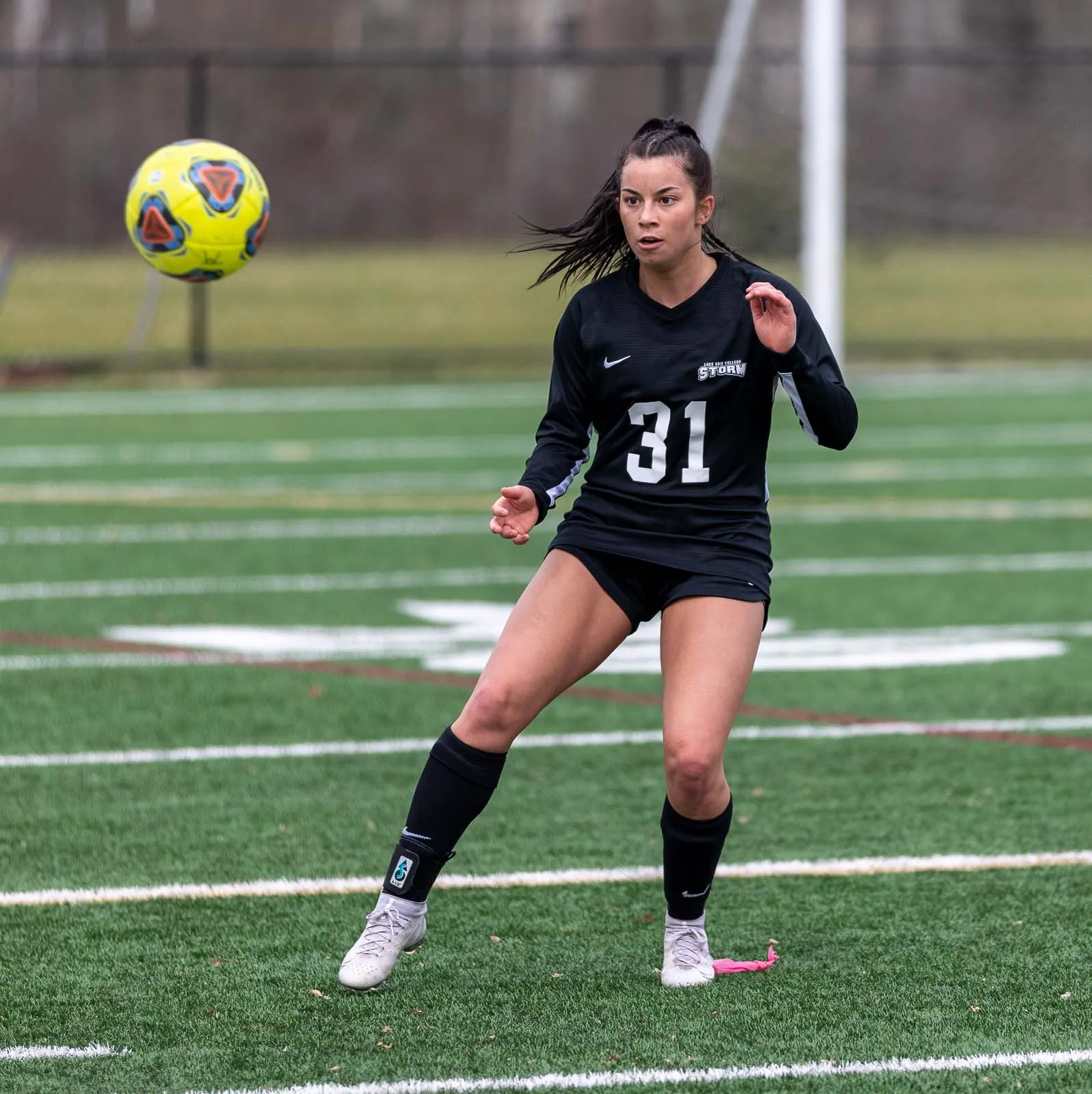
Taking sharp sports photos with your phone is one of the most searched frustrations in beginner photography, and the advice most people find sends them in the wrong direction. Better apps. AI sports modes. Action presets. None of it works because none of it addresses the real problem. Sharp phone sports photos aren’t a technology problem. They’re a timing problem. And timing is a technique you can learn.
Sharp Phone Sports Photos: Anticipation Beats Apps
Let’s get this out of the way.
If your phone sports photos aren’t sharp, the fix is not:
- a new camera app
- an AI sports mode
- a filter
- or a magical “action” preset
Those promise shortcuts. Photography doesn’t reward shortcuts. Sharp sports photos, especially on a phone, come from anticipation, not technology.
The Big Lie Phone Photography Sells Beginners
Phones are incredibly good at making still things look good. Sports are not still. So when action speeds up, your phone does what it’s designed to do:
- slows the shutter
- blends frames
- smooths motion
- guesses what matters
That’s great for sunsets. It’s terrible for sports.
In the Photo Lab, we call this outsourcing technique. And it’s why your photos look soft even when the moment was good.
Why Anticipation Matters More on a Phone
Phones have two realities you can’t wish away:
- Small sensors
- Limited control over shutter speed
That means you don’t win by reacting late.
You win by:
- being early
- being ready
- committing to where the moment is about to happen
Anticipation turns limitation into leverage.
What Anticipation Actually Is (No Mysticism)
Anticipation isn’t psychic ability. It’s pattern recognition.
Every sport tells you what’s coming:
- Soccer → ball incoming to a player
- Basketball → the gather before the layup
- Football → the route before the throw
- Lacrosse → the shooter’s hands before the release
If you wait for the peak moment, you’re late. Phones punish late.
The Technique That Changes Everything
Shoot Early. Shoot Through. Don’t Chase.
Instead of waiting for “the moment”:
- start shooting as the play develops
- keep shooting through the action
- stop only after the emotion resolves
Phones love continuity. They hate surprise. Anticipation gives them continuity.
Teaching Moment
If you’re shooting your own kid’s game, this shouldn’t feel new. You already know how to do this. You’re not trying to watch every player. You’re not covering the whole field. You’re focused on one kid.
That’s anticipation. When I came back to still photography after years behind a TV camera, I wasn’t covering teams or systems, I was covering my kids. One subject. One story. One moment at a time. The camera doesn’t need you to cover everything. It needs you to commit.
You only have one kid to cover. Shoot like it.
Lab Time: Train Anticipation, Not Your Phone
Outside Lab — The “One Player” Drill
Purpose: Stop chasing chaos. Learn to read a story.
Steps:
- Pick one player for an entire sequence
- Ignore the ball at first
- Watch body language and movement
- Start shooting before they receive the ball
- Keep shooting after they release it
What you’ll see:
- fewer blurry frames
- better timing
- clearer faces
- more usable photos
Phones reward commitment.
Inside Lab — The Reaction Test
Purpose: See the cost of reacting late.
Steps:
- Have someone toss a ball in the air
- Try shooting only after it leaves their hand
- Then shoot starting before the toss
Compare the results. Same phone. Different timing.
Common Mistakes to Avoid
- Waiting for the peak moment
- Chasing the ball instead of the story
- Trusting “sports modes”
- Shooting single frames
- Reviewing images during the play
If you’re looking at your screen, you’re late.
Final Takeaway
Sharp phone sports photos don’t come from better apps. They come from better timing.
Anticipation:
- calms the camera
- improves sharpness
- increases keeper rate
- makes it look like you knew what was coming
Because you did.
—TMac
Photographer | Teacher | Coach | Head Zoom Jockey, ZoomWithOurFeet
#Shooton
